
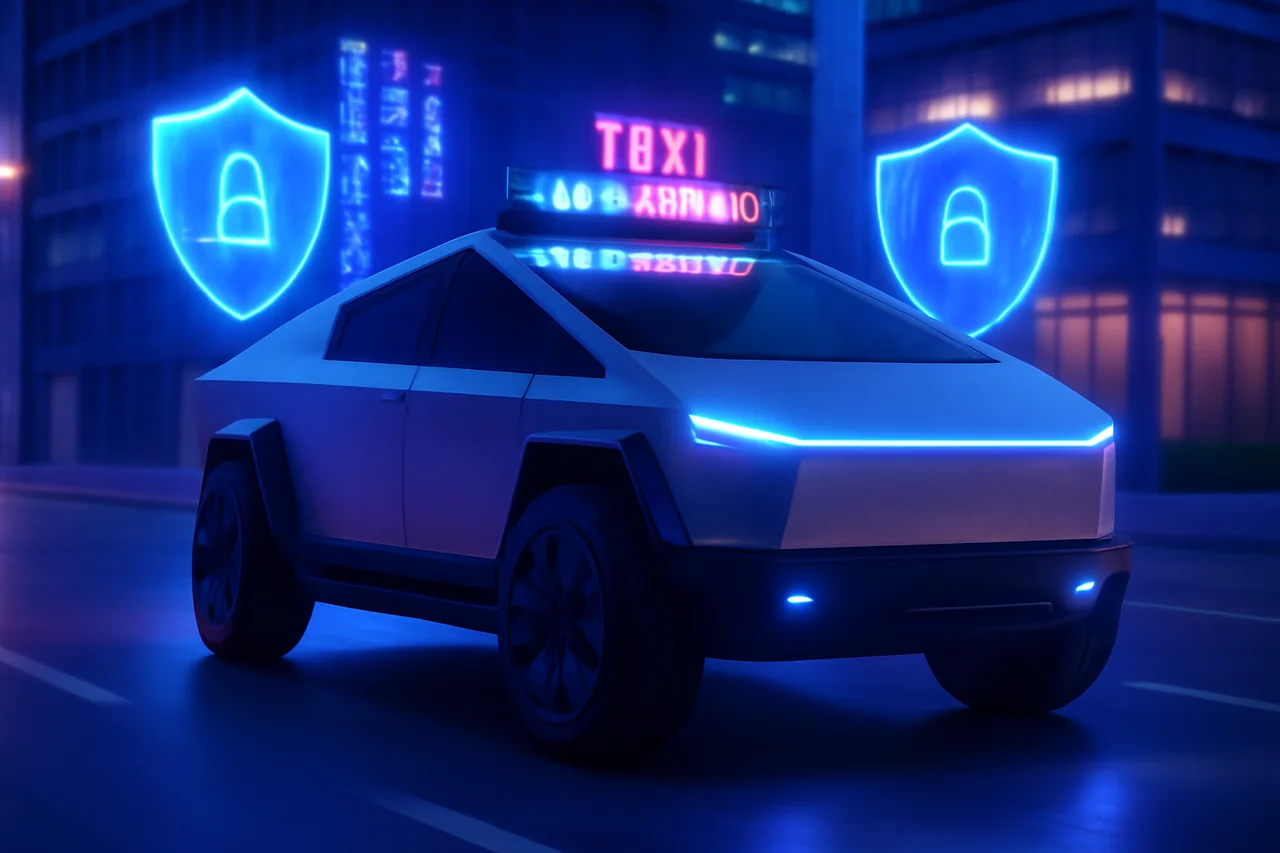
In a significant development for the automotive and technology sectors, federal authorities have initiated an investigation into Tesla's deployment of its first production Cybercabs. This move comes just hours after the electric vehicle manufacturer launched its new autonomous vehicle service in Austin, Texas. The rapid response from regulators hints at the heightened scrutiny surrounding the deployment of self-driving technology on public roads.
Overview of the Cybercab Launch
Tesla's Cybercab service represents a bold step into the realm of autonomous transportation. With the launch occurring in Austin, a city known for its tech innovation, the Cybercab aims to provide a new form of ride-hailing that leverages the company’s advanced self-driving technology. This new service is part of Tesla's broader strategy to integrate autonomous vehicles into everyday life, potentially reshaping urban mobility.
The Cybercab is designed to operate without a human driver, utilizing Tesla's sophisticated suite of sensors and software to navigate urban environments. This launch is not just about providing a new transportation option; it signifies Tesla's ambition to lead the market in autonomous ride-hailing services. As cities grapple with congestion and pollution, the introduction of such services could offer a glimpse into a future where self-driving vehicles are commonplace.
Regulatory Landscape for Autonomous Vehicles
The investigation into Tesla's Cybercab deployment underscores the complex regulatory environment that autonomous vehicle companies must navigate. As self-driving technology evolves, federal and state regulators are increasingly focused on ensuring safety and compliance with existing transportation laws. The National Highway Traffic Safety Administration (NHTSA) and other agencies are tasked with evaluating the implications of deploying autonomous vehicles, especially in urban settings.
Regulatory bodies are particularly concerned with how these vehicles will interact with traditional traffic, pedestrians, and cyclists. The Cybercab's launch may prompt a re-evaluation of existing regulations, as authorities seek to establish guidelines that ensure public safety while fostering innovation in the transportation sector. This investigation could lead to more stringent requirements for testing and deployment of autonomous vehicles, impacting not only Tesla but the entire industry.
Potential Implications of the Investigation
The launch of an investigation so soon after the Cybercab's debut raises questions about the readiness and safety of the technology. Authorities will likely examine various aspects of the Cybercab, including its operational safety, adherence to regulations, and the effectiveness of its autonomous features. The outcome of this investigation could impact Tesla's plans for expansion and influence public perception of self-driving vehicles.
Should the investigation uncover significant issues, it could lead to delays in Tesla's rollout plans, affecting not just the Cybercab service but also the company's broader strategy for autonomous vehicles. Conversely, a favorable outcome could bolster Tesla's position as a leader in the autonomous vehicle market, paving the way for more widespread acceptance of self-driving technology.
Public Reaction and Industry Response
Initial reactions from the public and industry experts have been mixed. While some express excitement about the potential of Tesla's Cybercab service, others voice concerns regarding the safety of autonomous vehicles. The investigation may serve to heighten awareness about the challenges that come with implementing such technology, as well as the importance of regulatory oversight in ensuring public safety.
Consumer trust is paramount for the success of autonomous vehicles, and any negative findings from the investigation could erode confidence in Tesla's technology. Industry experts suggest that transparency and proactive communication from Tesla will be crucial in maintaining public support. As the investigation progresses, stakeholders will be closely monitoring how Tesla addresses safety concerns and regulatory compliance.
Future of Tesla's Cybercab Service
As the investigation unfolds, Tesla will need to address any concerns raised by federal authorities. The company has a history of navigating regulatory challenges, but the stakes are particularly high with the Cybercab service, which could set a precedent for future autonomous vehicle deployments. Stakeholders will be closely watching how Tesla responds to the investigation and whether it can maintain consumer trust amidst regulatory scrutiny.
The future of the Cybercab service could also influence other companies in the autonomous vehicle space. If Tesla successfully navigates this regulatory challenge, it may encourage other manufacturers to accelerate their own autonomous vehicle initiatives. Conversely, if the investigation reveals significant safety issues, it could lead to a more cautious approach across the industry.
Conclusion
The launch of Tesla's Cybercab service and the subsequent federal investigation highlight the intersection of innovation and regulation in the autonomous vehicle industry. As Tesla continues to push the boundaries of what is possible with self-driving technology, the outcome of this investigation will play a crucial role in shaping the future of autonomous transportation in the United States. The balance between fostering innovation and ensuring public safety will be a critical focus for regulators and companies alike as they navigate this rapidly evolving landscape.
Key Highlights
- Federal authorities have launched an investigation into Tesla's Cybercab.
- The investigation began just hours after the Cybercab was launched in Austin.
- Tesla's Cybercab aims to revolutionize ride-hailing with autonomous technology.
- Regulatory scrutiny is increasing as self-driving technology evolves.
- The investigation could impact Tesla's future plans for the Cybercab service.
- Public reactions to the Cybercab launch are mixed, with safety concerns raised.
- The outcome of the investigation may influence the future of autonomous vehicles.
Expert Analysis
Technical Analysis
Tesla's Cybercab service employs advanced autonomous driving technology, which integrates a suite of sensors, cameras, and sophisticated software algorithms to navigate urban environments without human intervention. This technology is designed to interpret real-time data from its surroundings, allowing the vehicle to make decisions similar to a human driver. The Cybercab aims to address urban mobility challenges by offering a new ride-hailing option that could potentially reduce congestion and pollution in cities.
What sets the Cybercab apart from traditional ride-hailing services is its full autonomy, eliminating the need for a human driver. This represents a significant leap in the application of self-driving technology, as it not only seeks to enhance convenience but also aims to reshape the transportation landscape. However, the technology faces limitations, particularly in terms of regulatory compliance and public safety concerns, which are critical factors that could influence its broader acceptance and deployment.
Advantages
- Provides a new form of autonomous ride-hailing service.
- Utilizes advanced self-driving technology to navigate urban environments.
- Aims to reduce congestion and pollution in cities.
- Represents Tesla's ambition to lead the market in autonomous transportation.
Disadvantages
- Regulatory scrutiny may delay the rollout of the service.
- Public safety concerns regarding the readiness of autonomous technology.
Real-World Use Cases
- Individuals can use Cybercabs for convenient transportation without the need for a human driver.
- Businesses can leverage the service for employee transportation, reducing the need for parking spaces.
- Urban planners can integrate Cybercab services into public transportation systems to enhance mobility options.
- Developers can create applications that interface with the Cybercab service for improved user experience.
Business Impact
The investigation into Tesla's Cybercab service could have significant implications for the autonomous vehicle market. If the investigation leads to stricter regulations, it may slow down Tesla's expansion plans and impact its competitive edge. Conversely, a favorable outcome could solidify Tesla's position as a leader in the autonomous vehicle space, potentially increasing market share and revenue opportunities as public acceptance grows. The outcome of this investigation may also influence how other companies approach their own autonomous vehicle initiatives, either encouraging faster adoption or prompting more cautious strategies.
User Impact
Ordinary users stand to benefit from the convenience and potential cost savings associated with using Cybercabs for transportation. However, concerns about safety and regulatory compliance may deter some users from embracing this new service. As the investigation unfolds, it will be crucial for Tesla to maintain transparency and address public concerns to foster trust in its autonomous technology. For those interested in innovative transportation solutions, the Cybercab service represents a noteworthy development worth following.
Security & Privacy
Security and privacy analysis not applicable.
Future Outlook
In the near term, Tesla will need to navigate the regulatory landscape carefully to ensure the Cybercab service can operate without significant delays. The outcome of the investigation may prompt the company to enhance its safety protocols and communication strategies. If successful, Tesla's approach could set a precedent for other companies in the autonomous vehicle sector, potentially accelerating the adoption of similar technologies across the industry.
Expert Summary
The launch of Tesla's Cybercab service and the subsequent federal investigation underscore the critical intersection of innovation and regulation in the autonomous vehicle industry. Stakeholders, including consumers, regulators, and competitors, should pay close attention to the developments surrounding this service, as they may significantly influence the future of autonomous transportation in the U.S. Overall, the outcome of this investigation will be pivotal in determining the trajectory of Tesla's autonomous initiatives and the broader acceptance of self-driving technology.
Originally reported by TechCrunch.



