
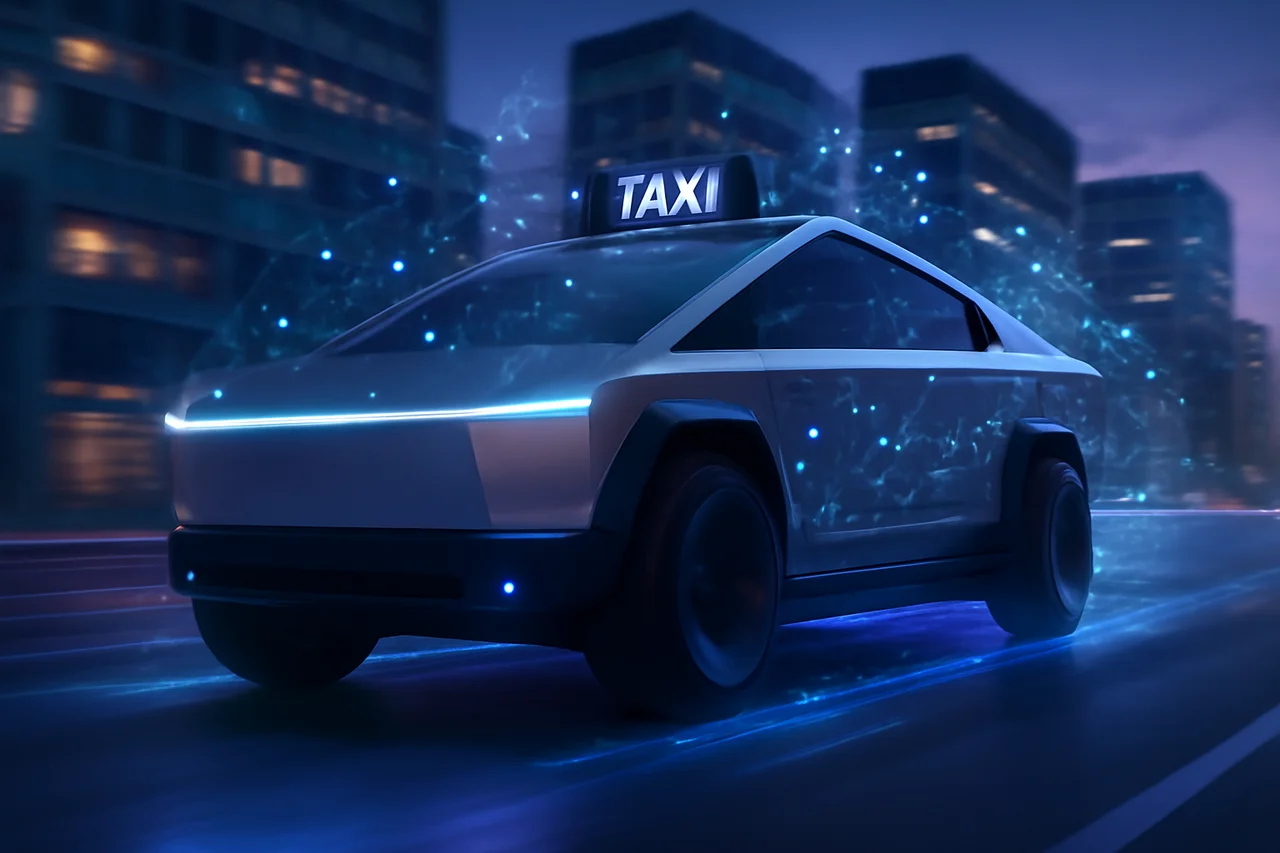
The Tesla Cybercab has officially begun its road testing phase, marking a pivotal moment in the realm of autonomous transportation. This innovative vehicle represents a significant leap towards a future where self-driving cars could become commonplace. However, the rollout has not been without its hurdles, highlighting the complexities involved in developing fully autonomous vehicles.
The Rise of the Cybercab
As Tesla continues to push the boundaries of automotive technology, the Cybercab stands out as a testament to the company's commitment to revolutionizing transportation. Designed to operate without human intervention, this vehicle is a key player in Tesla's vision of a future dominated by electric and autonomous mobility solutions. The Cybercab is not merely an extension of Tesla's existing electric vehicle lineup; it embodies a transformative approach to urban mobility, aiming to address some of the most pressing challenges faced by cities today, such as traffic congestion and pollution.
Initial Testing and Challenges
Despite its promising technology, the Cybercab has encountered some challenges during its initial testing phase. These issues serve as a reminder of the obstacles that still exist in the path toward fully autonomous transportation. The complexities of navigating urban environments, coupled with the need for robust AI systems, are critical factors that Tesla must address to ensure the Cybercab’s success. Initial reports indicate that the vehicle has struggled with certain scenarios, such as unpredictable pedestrian behavior and intricate traffic patterns, which are common in urban settings. These challenges highlight the importance of extensive testing and iteration in the development of autonomous systems.
The Role of AI in Autonomous Vehicles
Artificial intelligence plays a crucial role in the development and functionality of autonomous vehicles like the Cybercab. AI systems are responsible for processing vast amounts of data from the vehicle's sensors, allowing it to make real-time decisions on the road. This involves not only understanding the immediate environment but also predicting the actions of other road users. As the industry progresses, the integration of advanced AI technologies will be essential for overcoming the challenges faced during testing and enhancing overall vehicle performance. Moreover, the Cybercab's AI must be capable of learning from its experiences, adapting to new situations, and improving its decision-making capabilities over time.
Future Implications for Transportation
The introduction of the Cybercab not only marks a significant step for Tesla but also signals a broader shift in the automotive industry. As companies invest more in AI and autonomous technologies, the potential for transformative changes in transportation becomes increasingly apparent. The lessons learned from the Cybercab's testing phase could inform future developments in the sector. For instance, successful navigation of complex urban environments could lead to the development of new standards and best practices for autonomous vehicles, ultimately influencing regulatory frameworks and public acceptance.
Industry Response and Outlook
The automotive industry is closely monitoring the progress of the Cybercab, recognizing its potential to influence the future of mobility. Stakeholders understand that while challenges exist, the successful deployment of autonomous vehicles could lead to safer, more efficient transportation solutions. The ongoing testing of the Cybercab will likely provide valuable insights that can be applied across the industry. Additionally, partnerships between tech companies and automotive manufacturers are likely to increase as the demand for autonomous solutions grows. This collaborative approach could accelerate innovation and lead to more robust and reliable autonomous systems in the future.
Conclusion
As the Tesla Cybercab hits the road, it brings with it both excitement and caution. The challenges faced during its rollout underscore the complexities of developing autonomous vehicles. However, the advancements in AI technology present opportunities for overcoming these obstacles. The future of transportation may very well hinge on the success of vehicles like the Cybercab, making its development a focal point for both Tesla and the automotive industry at large. With continued investment in research and development, the Cybercab could pave the way for a new era of mobility, one that prioritizes sustainability, efficiency, and safety on our roads.
Key Highlights
- Tesla's Cybercab has begun testing, marking a milestone in autonomous transport.
- The vehicle faces challenges that highlight the complexities of self-driving technology.
- AI plays a crucial role in processing data and decision-making for autonomous vehicles.
- The Cybercab's rollout could influence future developments in the automotive industry.
- Industry stakeholders are closely watching the Cybercab's progress for insights.
- The integration of advanced AI technologies is vital for overcoming testing challenges.
- The future of transportation may depend on the success of vehicles like the Cybercab.
Expert Analysis
Technical Analysis
The Tesla Cybercab employs advanced artificial intelligence (AI) to facilitate its autonomous driving capabilities. This technology enables the vehicle to process data from various sensors, allowing it to make real-time decisions while navigating urban environments. The AI system is designed to interpret complex scenarios, such as predicting pedestrian behavior and managing intricate traffic patterns, which are critical for safe operation in densely populated areas. The Cybercab's AI is expected to learn from its experiences, enhancing its decision-making capabilities over time, which is essential for addressing the challenges it faces during testing.
However, the Cybercab's initial testing has revealed limitations in its AI's performance, particularly in unpredictable urban scenarios. These challenges highlight the ongoing complexities involved in developing fully autonomous vehicles. While Tesla's commitment to innovation is evident, the need for extensive testing and iterative improvements is crucial to ensure the Cybercab can effectively navigate the diverse and dynamic conditions of urban transportation. As the technology matures, it will be important for Tesla to address these limitations to enhance the vehicle's reliability and safety.
Advantages
- Represents a significant advancement in autonomous vehicle technology.
- Aims to reduce traffic congestion and pollution in urban areas.
- Utilizes AI for real-time decision-making, enhancing safety and efficiency.
- Potential to influence regulatory frameworks and public acceptance of autonomous vehicles.
Disadvantages
- Initial testing has revealed struggles with unpredictable pedestrian behavior and complex traffic patterns.
- Challenges in navigating urban environments may hinder deployment timelines.
Real-World Use Cases
- Urban transportation solutions for commuters seeking efficient travel options.
- Ridesharing services that could reduce the need for personal vehicle ownership.
- Logistics and delivery services that benefit from autonomous driving capabilities.
- Public transportation systems that integrate autonomous vehicles to enhance service efficiency.
Business Impact
The introduction of the Cybercab could significantly impact the automotive industry by setting new standards for autonomous vehicle technology. As Tesla continues to innovate, competitors may feel pressure to accelerate their own developments in AI and autonomous systems. This could lead to increased partnerships between tech companies and automotive manufacturers, fostering a collaborative environment that drives innovation and enhances the reliability of autonomous vehicles. The potential for safer and more efficient transportation solutions also presents new revenue opportunities for businesses involved in the mobility sector.
User Impact
Ordinary users stand to benefit from the Cybercab's potential to provide safer and more efficient transportation options. As autonomous vehicles become more prevalent, users may experience reduced travel times and lower transportation costs. However, those who are hesitant about adopting new technologies or concerned about safety may not fully embrace this shift. Overall, the Cybercab represents a significant step toward a future where autonomous vehicles could become a common mode of transportation, making it worth following for consumers interested in innovative mobility solutions.
Security & Privacy
Security and privacy analysis not applicable.
Future Outlook
In the near term, the ongoing testing of the Cybercab will likely yield valuable insights that could inform future developments in autonomous vehicle technology. As Tesla addresses the challenges identified during testing, improvements in AI capabilities and vehicle performance are expected. The broader automotive industry will be watching closely, as successful navigation of complex urban environments could lead to the establishment of new best practices and regulatory standards for autonomous vehicles, potentially accelerating their adoption in the market.
Expert Summary
The testing of Tesla's Cybercab marks a crucial development in the pursuit of autonomous transportation. Stakeholders in the automotive industry should pay close attention to the outcomes of this initiative, as it could shape future innovations and regulatory frameworks. While challenges remain, the advancements in AI technology offer promising opportunities for overcoming obstacles and paving the way for a new era of mobility that prioritizes sustainability and efficiency.
Originally reported by TechCrunch.



