
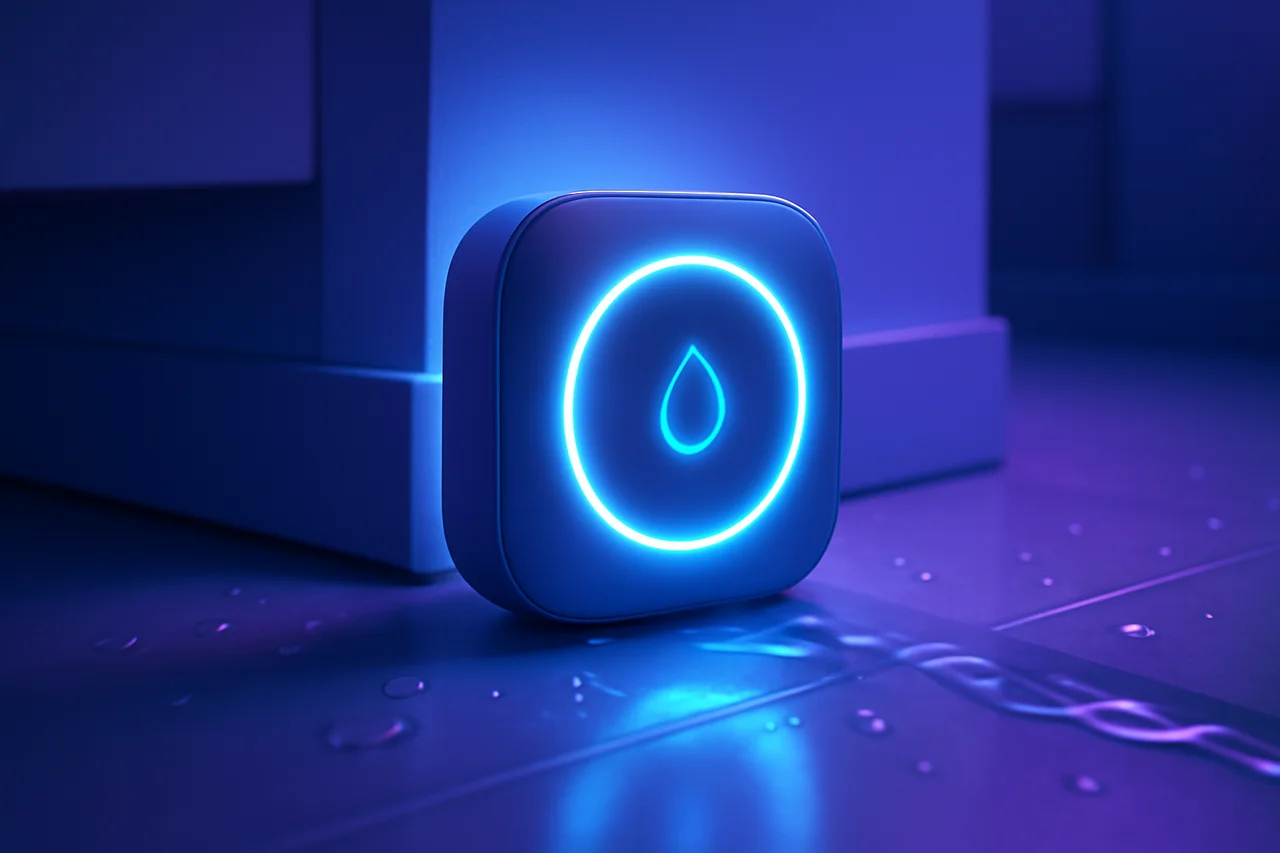
Water damage can be a homeowner's worst nightmare, leading to costly repairs and extensive renovation. As we step into 2026, the technology behind water leak detectors has evolved significantly, offering smarter, more efficient solutions for preventing water-related disasters. This article explores the top water leak detectors available this year, with a focus on how these devices can safeguard your home from potential plumbing issues.
Why Invest in Water Leak Detectors?
Water leak detectors are essential tools for homeowners looking to protect their property from the damaging effects of leaks and floods. These devices utilize advanced smart sensor technology to monitor moisture levels and detect leaks in real-time. By catching problems early, homeowners can avoid extensive damage caused by issues such as busted pipes or overflowing appliances. Investing in a reliable water leak detector can save money on repairs and provide peace of mind.
The financial implications of undetected leaks can be staggering. According to industry estimates, water damage can cost homeowners thousands of dollars in repairs, not to mention the potential for mold growth and structural damage that can arise from prolonged exposure to moisture. Moreover, the emotional toll of dealing with such disasters can be overwhelming. Thus, the proactive approach of installing water leak detectors is not just a matter of convenience; it is an investment in the long-term integrity of your home.
Leading Brands in Water Leak Detection
Several brands have emerged as leaders in the water leak detector market for 2026. Notably, Moen, Phyn, and TP-Link are recognized for their innovative solutions that integrate seamlessly with smart home systems.
- Moen: Known for its high-quality plumbing products, Moen offers advanced leak detection systems that connect to your smartphone, providing alerts and monitoring capabilities. Their devices often feature additional functionalities, such as integration with other smart home devices, allowing for a comprehensive home management system.
- Phyn: Phyn's smart sensors are designed to detect leaks and monitor water usage, helping homeowners conserve water while preventing damage. Their technology not only alerts users to leaks but also provides insights into water consumption patterns, promoting more efficient water use.
- TP-Link: TP-Link's water leak detectors are budget-friendly options that still deliver reliable performance, making them accessible for a wider audience. Their straightforward design and ease of use appeal to homeowners who want effective solutions without breaking the bank.
Features to Look For
When choosing a water leak detector, there are several key features to consider:
- Smart Connectivity: Look for devices that can connect to your home Wi-Fi network and send alerts to your smartphone. This feature allows homeowners to monitor their properties remotely, providing an extra layer of security.
- Real-Time Alerts: Instant notifications about leaks can help you take immediate action, minimizing potential damage. Some devices even allow for customizable alert settings, so you can choose how and when you receive notifications.
- Battery Backup: Ensure that the detector has a battery backup option in case of power outages. This feature ensures that your home remains protected even during unexpected power failures.
- Integration with Smart Home Systems: Compatibility with platforms like Amazon Alexa or Google Assistant can enhance usability. This integration allows for voice-activated controls and makes it easier to incorporate the device into your existing smart home setup.
How Water Leak Detectors Work
Water leak detectors typically use sensors to monitor moisture levels in specific areas of your home, such as basements, kitchens, or near appliances. When the sensors detect an increase in moisture that exceeds a predetermined threshold, they trigger an alarm or send a notification to your smartphone. Some advanced models can even shut off the water supply automatically to prevent further damage. This automation not only helps in mitigating damage but also provides homeowners with the confidence that their homes are being monitored 24/7.
Installation and Maintenance
Installing a water leak detector is generally straightforward. Most devices can be placed on the floor in areas prone to leaks, such as under sinks or near water heaters. Regular maintenance involves checking the batteries and ensuring the sensors are clean and functioning properly. Homeowners should also familiarize themselves with the device's app to manage settings and alerts effectively. It is advisable to test the system periodically to ensure that it is operating correctly and that alerts are being sent as intended.
Conclusion
As we embrace the technological advancements of 2026, investing in a smart water leak detector is a wise decision for homeowners. Brands like Moen, Phyn, and TP-Link offer reliable solutions that not only detect leaks but also integrate into your smart home ecosystem. By choosing the right device, you can protect your home from water damage and enjoy greater peace of mind. With the potential for significant savings on repairs and the added convenience of smart technology, the benefits of water leak detectors are clear. In an era where home automation is becoming the norm, ensuring your home is equipped with these essential devices is not just practical; it is essential.
Key Highlights
- Water leak detectors are crucial for preventing costly home damage.
- Moen, Phyn, and TP-Link are leading brands in 2026's market.
- Smart connectivity allows for real-time alerts to your smartphone.
- Look for features like battery backup and smart home integration.
- Installation is generally easy, requiring minimal maintenance.
Expert Analysis
Technical Analysis
Water leak detectors utilize advanced smart sensor technology to monitor moisture levels in real-time, providing homeowners with early warnings of potential leaks. These devices typically employ moisture sensors that trigger alarms or notifications when they detect water levels exceeding a certain threshold. Some models also feature automation capabilities, such as shutting off the water supply to prevent further damage. This technology addresses the critical problem of water damage, which can lead to costly repairs and health risks associated with mold growth.
The latest models from leading brands like Moen, Phyn, and TP-Link offer enhanced features such as smart connectivity, real-time alerts, and integration with existing smart home systems. These improvements make the devices more user-friendly and effective in preventing water-related disasters. However, while these detectors provide significant benefits, their reliance on technology means they may be vulnerable to power outages or connectivity issues, which could limit their effectiveness in certain scenarios.
Advantages
- Early detection of leaks helps prevent extensive water damage and costly repairs.
- Integration with smart home systems allows for remote monitoring and control.
- Real-time alerts enable homeowners to take immediate action to mitigate damage.
- Some models provide insights into water usage, promoting conservation.
- User-friendly designs make installation and maintenance straightforward.
- Battery backup options ensure continued operation during power outages.
Disadvantages
- Dependence on Wi-Fi connectivity may pose risks if the network is down.
- Some advanced features may be limited to higher-priced models, making them less accessible.
Real-World Use Cases
- Homeowners can install detectors in basements or kitchens to monitor for leaks.
- Landlords can use these devices in rental properties to protect their investments.
- Businesses can implement leak detectors in facilities to prevent water damage and maintain operational integrity.
- Developers can integrate leak detection systems into new smart home constructions for added value.
- Educational institutions can use these devices in dormitories to safeguard against plumbing issues.
Business Impact
The market for water leak detectors is poised for growth as homeowners increasingly recognize the importance of proactive measures against water damage. Companies like Moen, Phyn, and TP-Link are likely to gain market share by offering innovative solutions that appeal to tech-savvy consumers. This trend may also prompt competitors to enhance their product offerings, leading to a more competitive landscape in the smart home technology sector. As awareness of the financial implications of water damage rises, the demand for reliable leak detection solutions is expected to create significant revenue opportunities for manufacturers.
User Impact
Homeowners stand to benefit significantly from the adoption of water leak detectors, as these devices provide peace of mind and financial savings by preventing costly repairs. However, users who may not be familiar with smart technology could face challenges in installation and operation. Overall, the integration of these devices into everyday life is becoming increasingly relevant, as they not only protect homes but also align with the growing trend of home automation. For ordinary users, investing in a water leak detector is a practical step towards safeguarding their property.
Security & Privacy
Security and privacy analysis not applicable.
Future Outlook
As technology continues to advance, we can expect further enhancements in water leak detection systems, including improved sensor accuracy and more sophisticated integration with other smart home devices. Future developments may also focus on machine learning algorithms that analyze water usage patterns to predict potential leaks before they occur. The industry is likely to see increased competition, driving innovation and potentially lowering costs for consumers as more players enter the market.
Expert Summary
The evolution of water leak detectors represents a significant advancement in home safety technology, making it essential for homeowners to consider these devices for their properties. With brands like Moen, Phyn, and TP-Link leading the charge, the integration of smart technology into leak detection systems offers a proactive approach to preventing water damage. Homeowners, property managers, and developers should pay attention to this trend, as the benefits of early leak detection can lead to substantial savings and enhanced peace of mind.
Originally reported by Gear Latest.



