
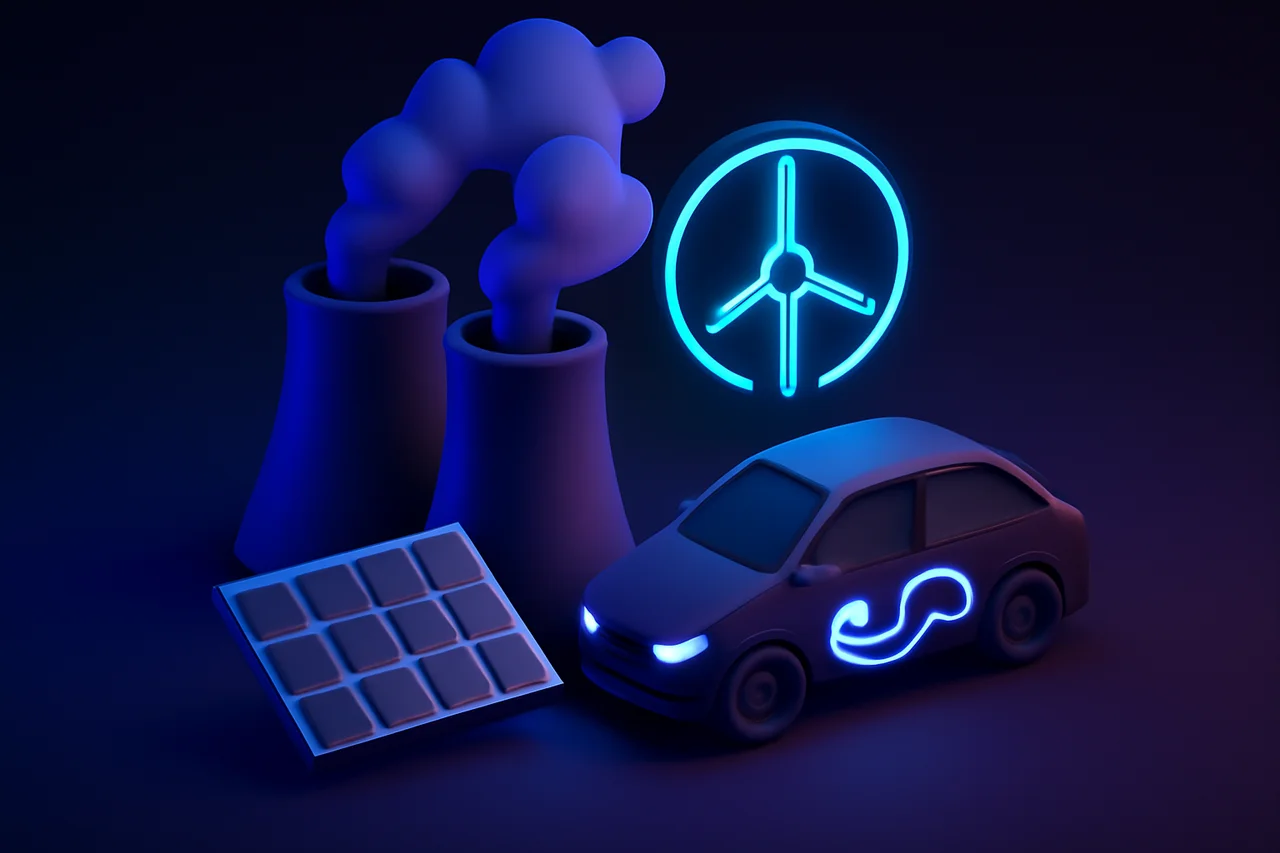
The Environmental Protection Agency (EPA) has taken a bold step in its regulatory approach by announcing plans to eliminate existing standards governing greenhouse gas emissions from power plants across the United States. This decision marks a significant pivot in the energy policy landscape, aligning closely with President Donald Trump's broader agenda to bolster fossil fuel industries and facilitate the expansion of energy-intensive operations such as data centers.
Background on EPA's Regulatory Shift
Under the Trump administration, the EPA has been actively revising regulations that many argue are essential for mitigating climate change. This latest proposal aims to dismantle any remaining frameworks that limit the amount of greenhouse gases power plants can emit. Critics of this move contend that it represents a dangerous regression in environmental policy, particularly at a time when the demand for electricity is surging due to advancements in technology.
The EPA's regulatory shift is not occurring in a vacuum; it reflects a broader trend in U.S. energy policy that prioritizes fossil fuel production over renewable energy sources. This approach has raised concerns among environmentalists and public health advocates who argue that the rollback of regulations will exacerbate the already significant challenges posed by climate change. As the consequences of climate change become increasingly evident, the urgency for effective regulatory frameworks has never been more critical.
Implications for Electricity Demand
As the nation witnesses a revival in domestic manufacturing and a growing reliance on technologies such as artificial intelligence (AI) and electric vehicles, the demand for electricity is expected to increase significantly. The EPA's decision to roll back emission standards is seen by many as a reckless choice that could lead to dirtier electricity generation. This is particularly concerning given the potential environmental and health impacts associated with increased pollution levels.
Increased electricity demand driven by AI and electric vehicles may outstrip the capacity of existing infrastructure, leading to a greater reliance on fossil fuels to meet this demand. This scenario raises critical questions about the sustainability of energy production in the U.S. and the long-term viability of current energy policies. With the potential for a surge in energy consumption, the rollback of emission standards could result in a vicious cycle of pollution and public health risks.
Criticism from Environmental Advocates
Environmental and consumer advocates have been vocal in their opposition to the EPA's proposed changes. They argue that deregulation in this context will not only exacerbate pollution but also impose higher costs on public health and the environment. The stakes are high, as the implications of increased greenhouse gas emissions could have far-reaching effects on air quality and climate stability.
Moreover, the rollback may undermine the progress made in recent years toward cleaner energy solutions. Many states and local governments have implemented their own emission standards and renewable energy initiatives, which could be jeopardized by the federal government's decision. The potential for increased health care costs associated with air pollution and climate-related illnesses further complicates the debate surrounding the EPA's regulatory changes.
Economic Considerations
Supporters of the deregulation argue that easing restrictions could stimulate economic growth by promoting the fossil fuel industry and attracting investments into energy-intensive sectors. They contend that a more lenient regulatory environment could lead to job creation and lower energy prices, which are critical for economic recovery in the post-pandemic era.
However, this perspective is met with skepticism from those who prioritize sustainable development and public health. The potential for short-term economic gains must be weighed against the long-term costs associated with environmental degradation. As the global economy increasingly shifts toward sustainability, the U.S. risks falling behind if it fails to embrace cleaner energy technologies.
The Role of Emerging Technologies
As the landscape of energy consumption evolves, the intersection of emerging technologies and energy policy becomes increasingly critical. The rise of electric vehicles and AI-driven applications is expected to drive up electricity demand significantly. Critics warn that the EPA's rollback of emission standards could hinder progress towards cleaner energy solutions that are necessary for supporting these technologies sustainably.
For instance, the integration of electric vehicles into the transportation sector presents a unique opportunity to reduce reliance on fossil fuels, provided that the electricity used to power these vehicles comes from clean sources. However, if the electricity generation remains heavily reliant on fossil fuels, the environmental benefits of electric vehicles could be negated. The challenge lies in creating a cohesive energy policy that supports technological innovation while ensuring environmental protection.
Looking Ahead
The future of power plant emissions regulation in the U.S. remains uncertain as the EPA moves forward with its plans. The implications of this decision will likely unfold over time, with potential legal challenges from environmental groups and ongoing public discourse about the balance between economic growth and environmental stewardship. As the nation grapples with the realities of climate change, the choices made today will undoubtedly shape the energy landscape for generations to come.
Furthermore, the response from states, local governments, and the private sector will play a crucial role in determining the effectiveness of the EPA's new approach. If states choose to uphold stricter regulations, it could create a patchwork of policies that complicate compliance for energy producers. This scenario could lead to increased legal battles and further polarization on energy policy in the U.S.
Conclusion
In summary, the EPA's announcement to eliminate power plant climate pollution rules represents a pivotal moment in U.S. energy policy. While proponents argue for economic benefits, the broader ramifications for public health and the environment cannot be overlooked. As stakeholders engage in this critical debate, the focus will likely remain on how best to align energy needs with sustainable practices in an ever-evolving technological landscape. The outcome of this regulatory shift will not only influence the immediate energy market but will also set precedents for future environmental policies in the United States.
Key Highlights
- The EPA plans to eliminate existing greenhouse gas emission standards for power plants.
- This move aligns with President Trump's agenda to promote fossil fuel industries.
- Critics warn that deregulation could lead to increased pollution and health costs.
- Rising electricity demand is driven by advancements in AI and electric vehicles.
- Environmental advocates are mobilizing against the proposed regulatory changes.
- The decision raises questions about the balance between economic growth and environmental health.
- The future of energy policy will be shaped by the outcomes of this deregulation effort.
Expert Analysis
Technical Analysis
The technology involved in this situation primarily revolves around the energy sector, particularly the generation of electricity from power plants. The current standards set by the EPA regulate the amount of greenhouse gases that these plants can emit, which is crucial for mitigating climate change. The rollback of these standards suggests a shift towards prioritizing fossil fuel production, which may lead to increased emissions and a greater reliance on traditional energy sources. This shift could exacerbate the environmental challenges posed by climate change, especially as the demand for electricity rises due to advancements in technologies like AI and electric vehicles.
This decision by the EPA highlights a significant tension between economic growth and environmental protection. While the rollback may be seen as a way to stimulate the fossil fuel industry and attract investments, it raises concerns about long-term sustainability. The reliance on fossil fuels to meet the growing electricity demand could lead to a vicious cycle of pollution and public health risks. The challenge lies in balancing the need for energy with the imperative to protect the environment, particularly as emerging technologies continue to evolve and shape the energy landscape.
Advantages
- Potential for economic growth by promoting the fossil fuel industry.
- Attraction of investments into energy-intensive sectors.
- Possibility of job creation in the fossil fuel and energy sectors.
- Lower energy prices as a result of deregulation.
Disadvantages
- Increased greenhouse gas emissions leading to worse air quality.
- Higher public health costs associated with pollution and climate-related illnesses.
- Potential undermining of state and local renewable energy initiatives.
- Risk of falling behind in global sustainability efforts.
Real-World Use Cases
- Energy producers may increase fossil fuel output to meet rising electricity demand.
- Businesses in energy-intensive sectors could benefit from reduced regulatory burdens.
- States may implement their own stricter regulations, creating a patchwork compliance environment.
- Investors may shift focus towards fossil fuel projects due to perceived economic benefits.
Business Impact
The EPA's decision to eliminate power plant emission standards could significantly impact the energy market by favoring fossil fuel production over renewable energy sources. This shift may create opportunities for companies in the fossil fuel sector to expand operations, potentially leading to increased revenues. However, it could also provoke backlash from environmental groups and consumers, leading to legal challenges and public relations issues for businesses involved in fossil fuel extraction and electricity generation. The overall market dynamics may shift as stakeholders assess the long-term viability of energy policies in light of growing environmental concerns.
User Impact
Ordinary users may experience both immediate and long-term effects from the EPA's decision. In the short term, potential lower energy prices could benefit consumers; however, the long-term implications of increased pollution could lead to health risks and deteriorating air quality. Those who prioritize environmental sustainability may find themselves at odds with the current regulatory direction. Overall, while some users may appreciate the economic rationale behind deregulation, the broader public health and environmental consequences suggest that this decision warrants careful consideration.
Security & Privacy
Security and privacy analysis not applicable.
Future Outlook
In the near term, the EPA's regulatory changes may lead to increased reliance on fossil fuels as electricity demand rises, particularly with the growth of AI and electric vehicles. The potential for legal challenges from environmental groups could create uncertainty in the regulatory landscape, prompting states to adopt varying standards that complicate compliance for energy producers. As public discourse continues around the balance between economic growth and environmental stewardship, future developments may focus on finding a cohesive energy policy that supports both technological innovation and sustainable practices.
Expert Summary
The EPA's move to eliminate power plant emission standards is a critical moment in U.S. energy policy that could have far-reaching implications for public health and environmental sustainability. Stakeholders across the energy sector, including businesses, consumers, and environmental advocates, should pay close attention to how this decision unfolds and its potential impact on future regulations. The balance between economic growth and environmental protection will be a key theme in the ongoing debate surrounding energy policy in the United States.
Originally reported by The Verge.



