
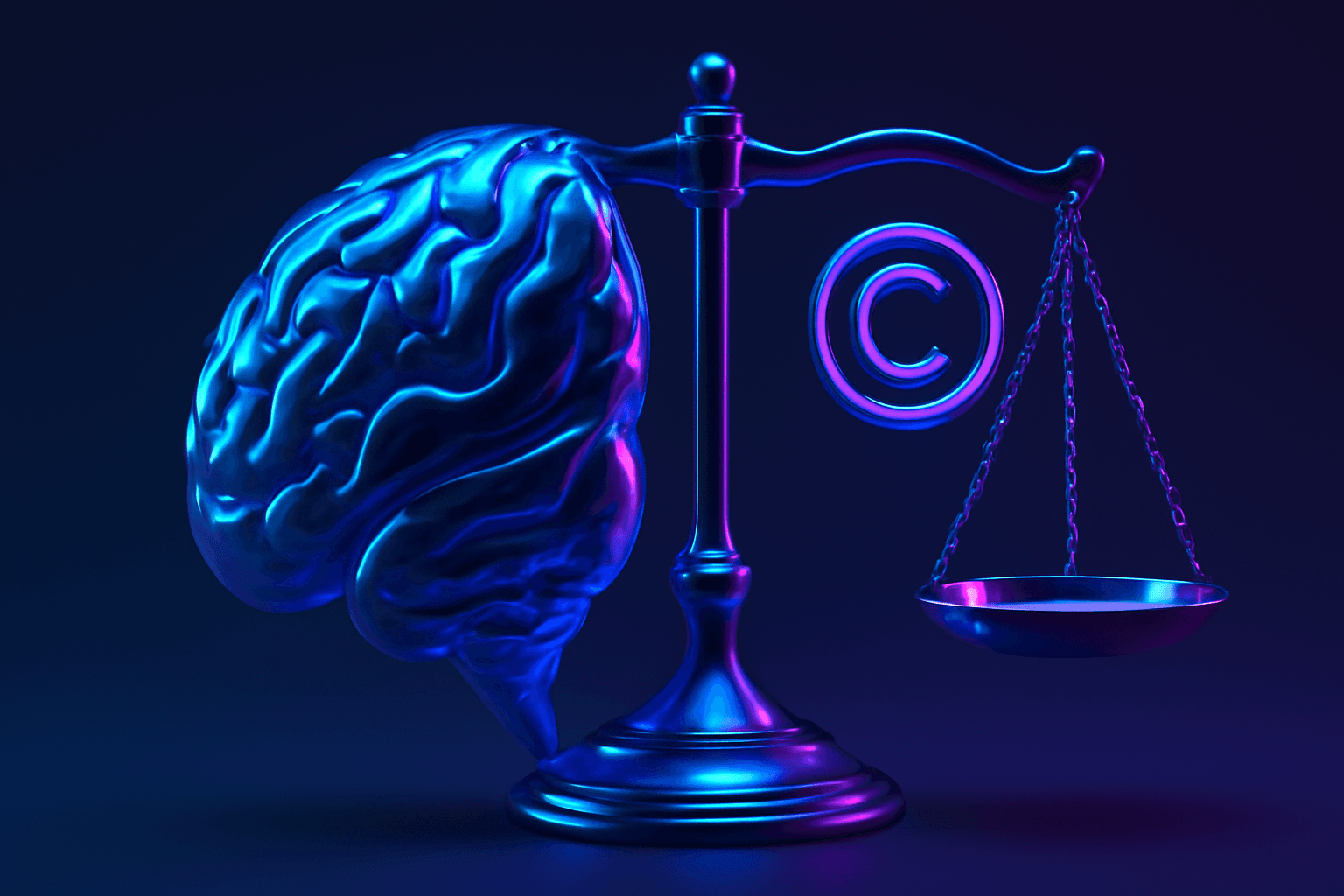
In a significant legal battle that could reshape the landscape of artificial intelligence and copyright law, the Trump administration has officially backed OpenAI in its ongoing lawsuit against The New York Times. This case, filed in December 2023, centers around allegations that OpenAI unlawfully trained its AI models using copyrighted articles from the prominent news outlet, seeking to recover billions of dollars in damages. As the case unfolds, it raises critical questions about the intersection of technology, intellectual property, and the future of innovation.
The Lawsuit Explained
The New York Times has taken a firm stance against OpenAI, claiming that the company has infringed on its copyright by utilizing its articles to train large language models. The lawsuit aims to establish a precedent by narrowing the fair-use doctrine, a legal principle that allows limited use of copyrighted material without permission. The Times argues that such training should not fall under fair use, which could have far-reaching implications for the AI industry. This legal battle is not just about the rights of a single media outlet; it is emblematic of a broader struggle between traditional content creators and the rapidly evolving technology landscape.
Trump Administration's Intervention
In a surprising turn of events, the Trump administration filed a statement of interest in the case, siding with OpenAI. The administration argues that training AI models on existing copyrighted texts constitutes fair use, a position that counters the New York Times' efforts to limit this doctrine. This intervention highlights the administration's support for technological innovation and the potential economic benefits associated with AI development. By backing OpenAI, the Trump administration signals a commitment to fostering an environment where AI can thrive, potentially leading to significant advancements in various sectors, from healthcare to finance.
Implications for Copyright Law
The outcome of this lawsuit could set a crucial precedent for how copyright law is applied in the context of AI. If the court sides with OpenAI, it may affirm the notion that using copyrighted material for AI training falls within fair use, potentially opening the floodgates for other companies to develop AI technologies without facing similar legal challenges. This could lead to a surge in innovation, as tech companies might feel more empowered to explore new applications of AI without the fear of litigation. Conversely, a ruling in favor of The New York Times could impose stricter limitations on the use of copyrighted material in AI training, raising concerns about the future of innovation in this field. Such a decision could deter investment in AI technologies, as companies grapple with the legal ramifications of using existing content in their training datasets.
The Economic Stakes
The financial stakes in this lawsuit are enormous. The New York Times is seeking billions of dollars in damages, which reflects the significant value attributed to its content. If successful, this lawsuit could not only impact OpenAI and Microsoft, which has invested heavily in the AI sector, but also set a precedent that could affect numerous tech companies relying on similar training methodologies. The implications of this case extend beyond immediate financial concerns; they touch on the broader economic landscape, where the ability to leverage existing content can determine a company's competitive edge. A ruling against OpenAI could lead to increased costs for AI development, as companies may need to invest more in original content creation or licensing agreements.
Industry Reactions
The intervention by the Trump administration has garnered mixed reactions within the tech industry. Proponents of AI development view this support as a necessary step towards fostering innovation, while critics express concerns that it may undermine the rights of content creators. As AI continues to evolve, the balance between protecting intellectual property and encouraging technological advancement remains a contentious issue. Some industry leaders argue that a more flexible interpretation of fair use is essential for the growth of AI, while others caution that such flexibility could lead to exploitation of creators' rights. This debate underscores the need for a nuanced approach to copyright law that considers the unique challenges posed by emerging technologies.
Looking Ahead
As this landmark case unfolds, stakeholders from various sectors will be watching closely. The court's decision will not only determine the fate of OpenAI and The New York Times but also shape the future of AI development and copyright law. The implications of this lawsuit extend far beyond the parties involved, potentially impacting how AI companies operate and how content creators protect their work in an increasingly digital world. As the legal landscape evolves, it will be crucial for all parties to engage in constructive dialogue to find a balance that promotes innovation while respecting the rights of those who create original content. The outcome of this case could serve as a bellwether for future legal battles at the intersection of technology and copyright, setting the stage for how these issues will be navigated in the years to come.
Key Highlights
- The Trump administration supports OpenAI in a copyright lawsuit with The New York Times.
- The lawsuit claims OpenAI unlawfully trained its AI models using NYT articles.
- The New York Times seeks billions in damages from OpenAI and Microsoft.
- The administration argues that AI training on copyrighted text is fair use.
- The outcome could redefine fair use in the context of AI development.
- Industry reactions to the administration's stance are mixed, highlighting concerns over innovation vs. copyright.
- The lawsuit has significant economic implications for both OpenAI and The New York Times.
Expert Analysis
Technical Analysis
The technology at the center of this legal dispute involves artificial intelligence, specifically large language models (LLMs) developed by OpenAI. These models are trained on vast datasets that include text from various sources, which allows them to generate human-like text based on the input they receive. The training process typically involves analyzing patterns in the data to learn language structure, context, and semantics, enabling the models to produce coherent and contextually relevant responses. The core issue in this case revolves around whether using copyrighted material for training these models constitutes fair use under copyright law, a principle that allows limited use of copyrighted content without permission.
What makes this situation particularly complex is the potential for a legal precedent that could either expand or restrict the fair use doctrine. If the court rules in favor of OpenAI, it could affirm the legality of using copyrighted materials for AI training, thus encouraging further innovation in the AI sector. Conversely, a ruling in favor of The New York Times could impose stricter limitations, potentially stifling the development of AI technologies that rely on existing content. This case highlights the ongoing tension between traditional content creators and the rapidly evolving landscape of AI, where the implications of copyright law are still being defined and tested.
Advantages
- Potential affirmation of fair use could encourage innovation in AI development.
- Support from the Trump administration may lead to a more favorable regulatory environment for AI companies.
- A ruling in favor of OpenAI could reduce legal risks for tech companies using similar training methodologies.
- Encouragement of investment in AI technologies, leading to advancements across various sectors.
Disadvantages
- A ruling against OpenAI could impose stricter limitations on AI training practices.
- Increased costs for AI development if companies need to invest more in original content creation or licensing agreements.
Real-World Use Cases
- Tech companies can develop AI applications without the fear of litigation over copyright infringement.
- Content creators may need to adapt their strategies to protect their work in an AI-driven market.
- Businesses can leverage AI for enhanced customer service and content generation while navigating copyright complexities.
Business Impact
The outcome of this lawsuit could significantly impact the AI industry, particularly for companies like OpenAI and Microsoft that have invested heavily in AI technologies. A ruling in favor of OpenAI could open the doors for other tech firms to innovate without the fear of legal repercussions, potentially leading to a surge in AI applications across various sectors. Conversely, a ruling for The New York Times could deter investment and innovation in AI, as companies may face increased legal challenges and costs associated with content licensing.
This case also highlights the broader economic implications of copyright law in the digital age, where the ability to utilize existing content can be a key competitive advantage. The legal precedent set by this case could influence how businesses approach content creation and AI development in the future, shaping the landscape of the tech industry for years to come.
User Impact
Ordinary users may benefit from advancements in AI technologies that could arise from a favorable ruling for OpenAI, leading to improved services and applications in everyday life. However, content creators and traditional media outlets may feel threatened by the potential for AI to use their work without appropriate compensation or credit. This ongoing legal battle underscores the importance of finding a balance that allows for technological advancement while respecting the rights of creators, making it a relevant issue for all users in the digital landscape.
Security & Privacy
Security and privacy analysis not applicable.
Future Outlook
As the legal proceedings continue, stakeholders across the tech and media industries will be closely monitoring the case's developments. The court's decision is expected to set a significant precedent that could influence future legal interpretations of copyright in the context of AI. In the near term, companies may begin to adjust their strategies based on the anticipated outcome, either accelerating their AI initiatives or reassessing their reliance on existing content. The evolving legal landscape may also prompt discussions among lawmakers and industry leaders about the need for updated copyright regulations that reflect the realities of AI technology.
Expert Summary
This legal battle between OpenAI and The New York Times is a critical moment for the intersection of AI technology and copyright law. The outcome will not only impact the parties involved but could also reshape the future of innovation in the AI sector. Stakeholders across various industries should pay attention to this case, as its implications could resonate widely, influencing how technology companies operate and how content creators protect their work in an increasingly digital world.
Originally reported by The Verge.



