
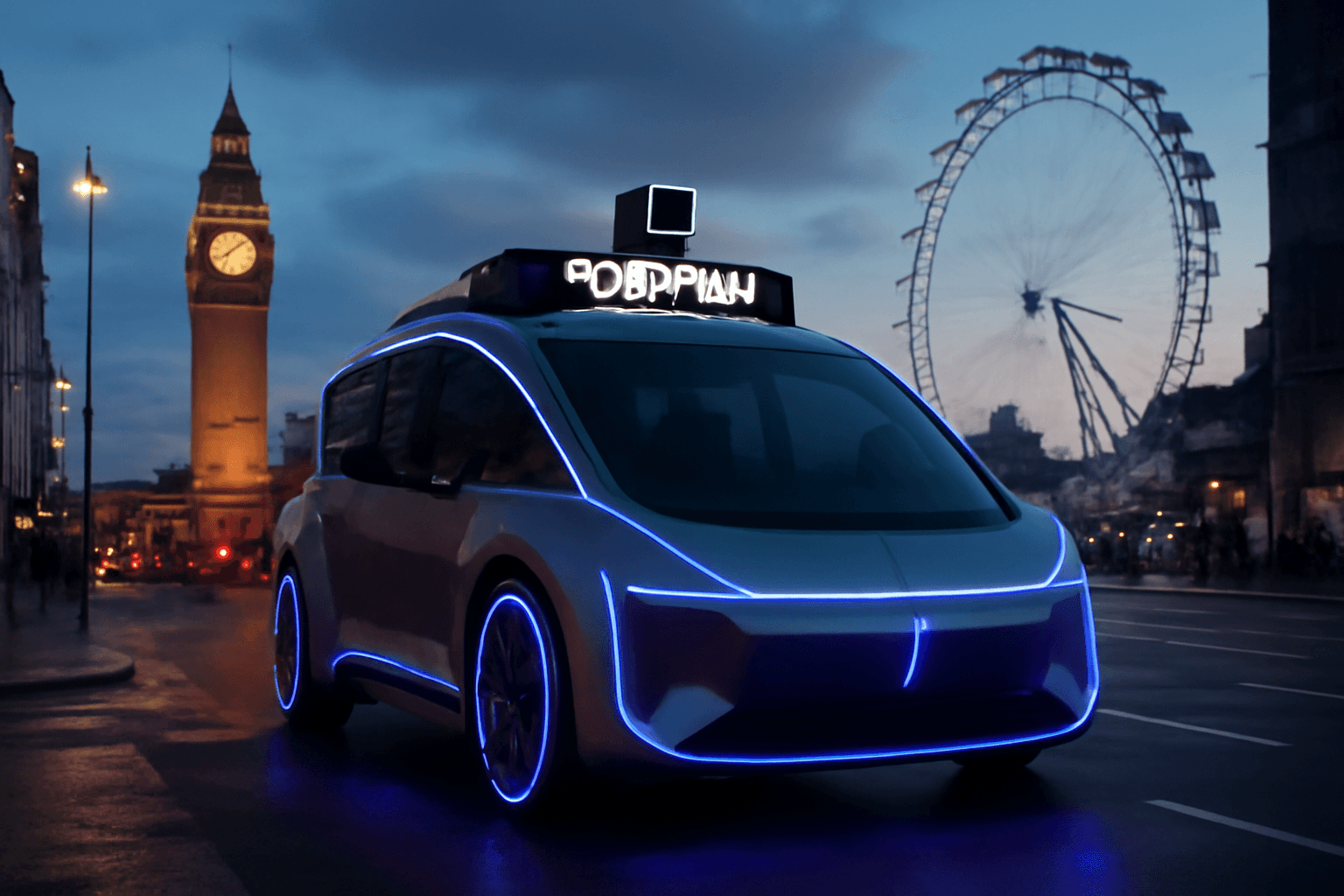
In a significant development for the transportation sector, Uber has successfully launched the first commercial robotaxi service in London, marking a major milestone in the evolution of autonomous ride-hailing services. This launch not only positions Uber ahead of its competitor Waymo but also sets the stage for the future of driverless transportation in one of the world's busiest cities.
Uber's Strategic Move in the UK
Uber's entry into the London market with its robotaxi service comes after years of planning and collaboration with Wayve, a UK-based startup specializing in autonomous driving technology. This partnership has allowed Uber to leverage cutting-edge technology while also addressing the unique challenges of operating in a densely populated urban environment. The initial rollout will include safety drivers in the vehicles, ensuring a layer of security as the technology is tested in real-world conditions.
London, known for its iconic black cabs and complex traffic patterns, presents a unique landscape for the introduction of autonomous vehicles. The city’s regulatory environment and public perception of ride-hailing services have historically been complicated, making Uber's successful launch a noteworthy achievement. This strategic move not only enhances Uber's reputation but also signals a commitment to innovation in the UK transportation sector.
Technology Behind the Robotaxi
The autonomous driving technology utilized in Uber's robotaxis is developed by Wayve, which focuses on machine learning and computer vision to navigate complex driving scenarios. This innovative approach allows the vehicles to learn from their surroundings and adapt to various driving conditions, enhancing their ability to operate safely and efficiently in urban settings. The use of advanced algorithms enables these vehicles to make real-time decisions, a critical factor for ensuring passenger safety and comfort.
Wayve’s technology is particularly noteworthy because it emphasizes a data-driven approach to driving. By utilizing vast amounts of data collected from previous journeys, the vehicles can improve their performance over time. This adaptability is crucial in a city like London, where traffic conditions can change rapidly due to events, weather, and other variables. As Uber continues to refine this technology, the potential for enhanced safety and efficiency in urban travel becomes increasingly promising.
Setting the Standard for Robotaxi Experiences
By launching its robotaxi service in London, Uber aims to establish a new standard for the robotaxi experience among thousands of Londoners. The company believes that this service will not only improve convenience for users but also contribute to the broader acceptance of autonomous vehicles in everyday life. As Uber's General Manager stated, "It allows Uber to set the standard for the robotaxi experience for thousands of Londoners." This sentiment underscores the importance of user experience in the adoption of new technologies.
The focus on user experience is pivotal, as it will determine how quickly the public embraces this new mode of transportation. Uber's commitment to ensuring a seamless and enjoyable ride will be essential in building trust among potential riders. Feedback from early users will likely shape future iterations of the service, reinforcing the need for continuous improvement in both technology and customer service.
Testing Demand for Driverless Ride-Hailing
The launch of Uber's robotaxi service also serves as an early test of the demand for driverless ride-hailing outside of traditional markets like the US and China. While these countries have seen a proliferation of robotaxi services, London's unique regulatory and cultural landscape presents both challenges and opportunities. Uber's success or failure in this venture could provide valuable insights into the viability of autonomous ride-hailing in other major cities around the world.
In London, public sentiment towards autonomous vehicles is still developing. Factors such as safety concerns, regulatory hurdles, and the overall acceptance of technology will play significant roles in determining the service's success. Uber's ability to navigate these challenges while providing a reliable and safe service will be critical in shaping the future of driverless ride-hailing not just in London, but globally.
Future Implications for the Transportation Industry
The introduction of robotaxis in London could have far-reaching implications for the transportation industry as a whole. If successful, it may encourage other companies to invest in autonomous vehicle technology and explore similar services in urban areas. Moreover, the ability to efficiently manage urban transportation through autonomous vehicles could lead to reduced congestion and lower emissions, aligning with global sustainability goals.
As cities around the world grapple with traffic congestion and pollution, the adoption of robotaxi services could represent a significant shift towards more sustainable urban mobility solutions. By potentially decreasing the number of vehicles on the road and optimizing travel routes, autonomous vehicles could contribute to cleaner air and a more efficient transportation network.
Conclusion: A New Era for Urban Mobility
Uber's launch of its robotaxi service in London marks the beginning of a new era in urban mobility. By beating Waymo to this milestone, Uber not only reinforces its position as a leader in the ride-hailing industry but also sets a precedent for future developments in autonomous transportation. As the world watches how this service unfolds, it will be crucial to monitor both user adoption and the technological advancements that will shape the future of mobility.
In conclusion, the success of Uber's robotaxi service could pave the way for a broader acceptance of autonomous vehicles, fundamentally changing the way people think about transportation in urban settings. With ongoing advancements in technology and increasing public interest, the future of robotaxis looks promising, potentially transforming urban landscapes for generations to come.
Key Highlights
- Uber has launched the first commercial robotaxi service in London.
- The service uses autonomous driving technology developed by Wayve.
- Safety drivers will initially be present in the robotaxis during operations.
- This launch allows Uber to set the standard for robotaxi experiences in London.
- The service is an early test of demand for driverless ride-hailing outside the US and China.
- Uber's move could influence the future of urban transportation and sustainability.
- The success of this service may encourage further investment in autonomous vehicle technology.
Expert Analysis
Technical Analysis
Uber's robotaxi service utilizes advanced autonomous driving technology developed by Wayve, which employs machine learning and computer vision to navigate complex urban environments. This technology allows the vehicles to learn from their surroundings and adapt to various driving conditions, enhancing safety and efficiency. The algorithms used enable real-time decision-making, which is crucial for passenger safety and comfort, particularly in a bustling city like London where traffic patterns can change rapidly due to various factors. The inclusion of safety drivers during the initial rollout serves as an additional layer of security while the technology is tested in real-world scenarios.
What sets Uber's robotaxi service apart is its focus on user experience and adaptability. By leveraging vast amounts of data collected from previous journeys, the vehicles can continuously improve their performance over time. This data-driven approach is particularly beneficial in urban settings, where the ability to respond to changing conditions is essential. However, the technology is not without limitations; the success of the service will depend heavily on public acceptance, regulatory compliance, and the ability to navigate the unique challenges posed by London's complex transportation landscape.
Advantages
- Establishes Uber as a leader in the autonomous ride-hailing market.
- Enhances user convenience by providing a new mode of transportation.
- Utilizes advanced machine learning and computer vision for improved navigation.
- Promotes broader acceptance of autonomous vehicles in urban life.
- Potentially reduces congestion and emissions in urban areas.
Disadvantages
- No major disadvantages reported yet.
Real-World Use Cases
- Individuals can use the robotaxi service for convenient and efficient transportation around London.
- Businesses can leverage the service for employee commuting or client transportation needs.
- Urban planners and policymakers can study the service's impact on traffic patterns and public acceptance of autonomous vehicles.
- Developers can explore integration opportunities with Uber's platform for enhanced mobility solutions.
- Tourists can utilize the service to navigate the city without the need for traditional taxis.
Business Impact
The launch of Uber's robotaxi service in London positions the company ahead of competitors like Waymo, potentially reshaping the ride-hailing landscape. Success in this venture could lead to increased investments in autonomous vehicle technology across the industry, encouraging other companies to explore similar services. Additionally, if the service proves effective in managing urban transportation, it could open new revenue opportunities for Uber and contribute to a shift toward more sustainable urban mobility solutions.
User Impact
Ordinary users in London stand to benefit significantly from the introduction of Uber's robotaxi service, as it offers a new, convenient transportation option. However, the success of the service will depend on public acceptance and trust in autonomous technology. If users find the service reliable and safe, it could lead to widespread adoption. For those skeptical of autonomous vehicles, ongoing feedback and improvements will be essential in addressing concerns and building confidence in this new mode of transport.
Security & Privacy
Security and privacy analysis not applicable.
Future Outlook
In the near term, Uber is likely to focus on refining its robotaxi technology based on user feedback and real-world performance data. As public sentiment towards autonomous vehicles evolves, the company may also work to enhance safety measures and address regulatory challenges. If successful, this could lead to further expansion of robotaxi services in other urban areas, setting a precedent for the future of autonomous transportation.
Expert Summary
Uber's launch of its robotaxi service in London is a pivotal moment in the evolution of urban mobility. Stakeholders in the transportation sector, including competitors and policymakers, should pay close attention to how this service develops and is received by the public. Overall, this initiative not only reinforces Uber's leadership in the ride-hailing industry but also has the potential to transform urban transportation dynamics significantly.
Originally reported by The Verge.



