
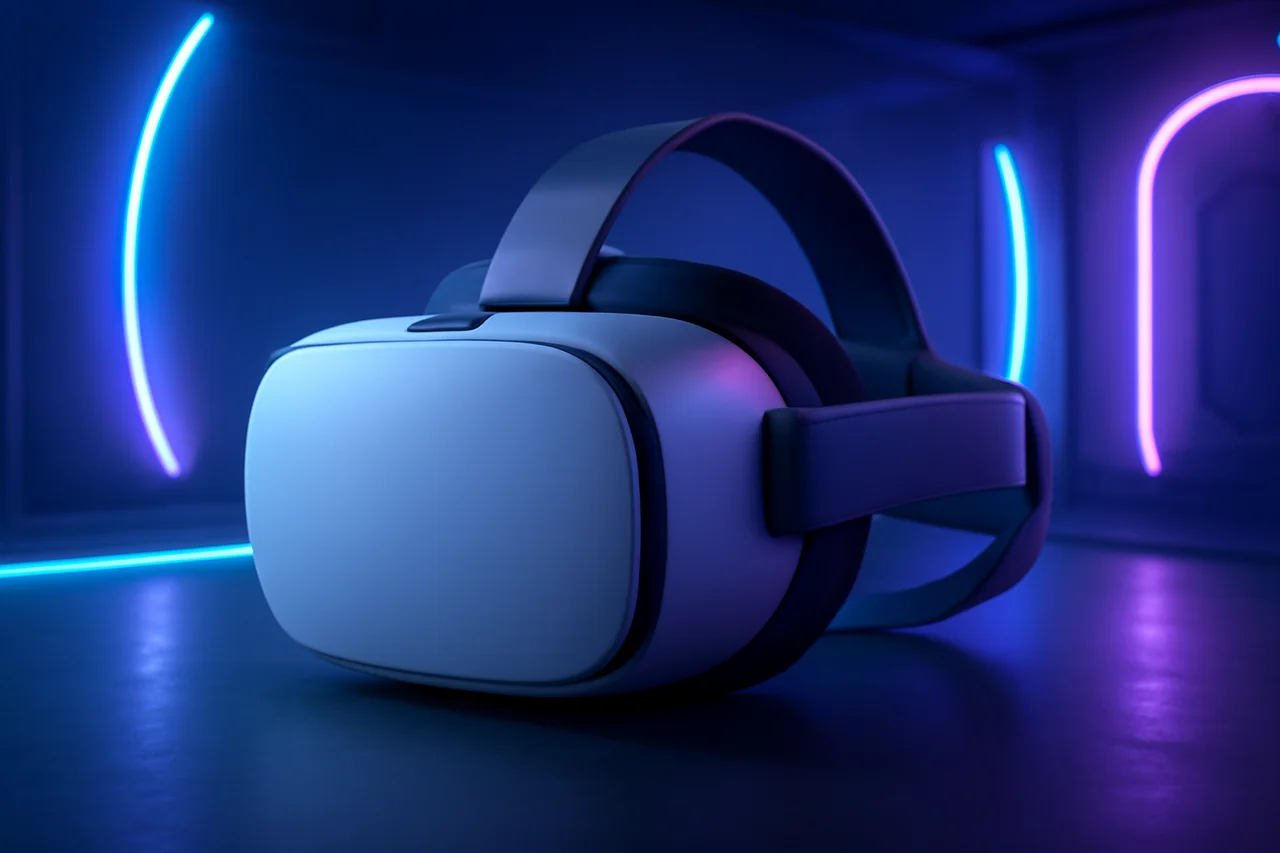
Valve has officially launched its highly anticipated Steam Frame headset, but the price tag of $1,059 has raised eyebrows in the gaming community. The launch reflects not only the company's commitment to virtual reality technology but also the significant pressures currently affecting the global hardware market, particularly in RAM and storage components. As the demand for immersive gaming experiences grows, the financial implications of such advancements are becoming increasingly apparent.
Pricing Challenges in Hardware Development
According to Valve developer Jeremy Selan, the company initially aimed to release the Steam Frame headset at a lower price point. However, ongoing challenges in the global RAM and storage markets forced them to adjust their pricing strategy. Selan stated, "We set out to come out with a device that would have been far more affordable, but the global RAM market, the global storage market have impacted us the same way they've impacted everybody." This admission highlights the broader issues facing hardware manufacturers today, as they grapple with fluctuating component costs that can significantly influence retail pricing.
In recent years, the technology sector has witnessed dramatic shifts in component pricing due to supply chain disruptions, increased demand, and geopolitical factors. This situation has forced many companies, including Valve, to reconsider their pricing models. The Steam Frame headset, with its advanced features and capabilities, is a direct response to the evolving landscape of virtual reality, but its pricing may alienate a segment of the gaming audience that is already sensitive to rising costs.
Market Pressures and Consumer Electronics
The pricing of the Steam Frame headset is not an isolated incident but rather a reflection of the current state of the technology market. As companies grapple with rising costs in essential components, consumers are increasingly feeling the pinch. The headset's price point may deter some potential buyers, especially given the competitive landscape of virtual reality devices. With alternatives available at various price points, consumers may opt for more budget-friendly options, which could impact Valve's market share.
- Increased competition from established VR brands and newcomers alike.
- Consumer preferences shifting towards affordability and value for money.
- Potential for a divided market between high-end and entry-level VR devices.
Cost-Effective Strategies
While Valve has not confirmed whether the Steam Frame is being sold at cost, there are indications that this might be the case. Developer Pierre-Loup Griffais hinted in an interview with Tom's Hardware that the company might be adopting a similar strategy to what it did with the $1,049 Steam Machine living room PC. This approach could be seen as a way to maintain market presence despite the financial strain on consumers.
By potentially selling the Steam Frame headset at cost, Valve could be positioning itself to foster a larger user base, similar to how it approached the Steam Machine. This strategy could allow the company to recoup losses through software sales and subscriptions, creating a more sustainable business model in the long run. However, this approach also carries risks; if the headset does not achieve sufficient sales volume, Valve could face significant financial challenges.
Implications for the Gaming Community
The introduction of the Steam Frame headset at this price point raises questions about the future of virtual reality in gaming. With increasing costs, will consumers be willing to invest in high-end hardware? The gaming community is known for its passion and loyalty, but affordability is a critical factor that could influence adoption rates for new technologies. If VR remains out of reach for a significant portion of gamers, the technology may struggle to gain the traction necessary for widespread acceptance.
Moreover, the success of the Steam Frame headset could set a precedent for future VR products. If Valve's pricing strategy proves effective, it could encourage other companies to follow suit, potentially leading to a new wave of VR innovation that balances cutting-edge technology with consumer affordability. Conversely, if the headset fails to resonate with the market, it could lead to a reevaluation of VR investment across the industry.
Future Prospects for Valve and VR
As Valve navigates these market challenges, the company remains focused on innovation within the virtual reality space. The Steam Frame headset is a testament to their commitment to creating advanced gaming experiences. However, the success of this product will likely depend on how well it resonates with consumers in light of its pricing. The company must also consider how to enhance the value proposition of the headset, possibly through exclusive content or features that justify the investment.
In addition, Valve's ability to adapt to market fluctuations and consumer feedback will be critical in shaping the future of the Steam Frame and subsequent products. As the VR landscape evolves, the company will need to stay attuned to consumer preferences and technological advancements to remain competitive.
Conclusion: A Balancing Act
Valve's launch of the Steam Frame headset underscores the delicate balance between innovation and affordability in the consumer electronics market. As developers like Selan and Griffais work to deliver cutting-edge technology, they must also contend with the realities of the global market. The future of virtual reality may hinge on how effectively companies can adapt to these challenges while still delivering value to consumers. Ultimately, the Steam Frame headset's reception will be a pivotal moment for Valve and the broader VR industry, potentially influencing the trajectory of virtual reality gaming for years to come.
Key Highlights
- Valve's Steam Frame headset is priced at $1,059, higher than expected.
- Market pressures in RAM and storage have impacted the pricing strategy.
- Developer Jeremy Selan stated that they aimed for a more affordable device.
- There is speculation that Valve may be selling the headset at cost.
- The pricing reflects broader challenges in the consumer electronics market.
- The gaming community's response to the price could influence VR adoption rates.
- Valve remains committed to innovation in virtual reality despite market challenges.
Expert Analysis
Technical Analysis
The Steam Frame headset from Valve represents a significant advancement in virtual reality technology, designed to enhance immersive gaming experiences. It incorporates high-performance components, including advanced RAM and storage, which are critical for rendering high-quality graphics and maintaining smooth gameplay. The headset aims to solve the problem of accessibility in high-end VR gaming, although its pricing has raised concerns about whether it will reach a wider audience. The headset's development faced challenges due to fluctuations in the global RAM and storage markets, which have impacted production costs and pricing strategies.
What sets the Steam Frame apart is its potential alignment with Valve's previous strategies, such as selling the Steam Machine at cost to build a user base. This approach suggests that Valve is willing to absorb initial losses with the hope of recouping them through software sales and subscriptions. However, the high price point of $1,059 may limit its appeal, particularly in a competitive market where consumers have access to more affordable alternatives. The limitations of the Steam Frame include its reliance on the current economic climate, which could hinder its adoption if consumers are unable or unwilling to invest in high-end VR technology.
Advantages
- Advanced features and capabilities aimed at enhancing immersive gaming experiences.
- Potential for a larger user base if sold at cost, similar to the Steam Machine strategy.
- Opportunity for revenue generation through software sales and subscriptions.
- Commitment to innovation in the virtual reality space.
Disadvantages
- High price point of $1,059 may deter potential buyers.
- Market competition from more affordable VR alternatives could impact sales.
- Risks associated with selling at cost if sales volume does not meet expectations.
Real-World Use Cases
- Gamers seeking high-quality immersive experiences in virtual reality.
- Developers looking to create VR content that leverages advanced headset capabilities.
- Enterprises exploring VR for training simulations or virtual meetings.
- Educational institutions utilizing VR for interactive learning environments.
Business Impact
The launch of the Steam Frame headset could significantly impact Valve's position in the virtual reality market, particularly as it navigates a landscape filled with established competitors and emerging brands. If successful, this product could enhance Valve's market share and set a precedent for future VR innovations. However, if the pricing strategy does not resonate with consumers, it may lead to a reevaluation of investment in VR technologies across the industry, affecting not only Valve but also its competitors who are closely monitoring consumer responses.
The financial implications of the Steam Frame's pricing could also influence how other companies approach their VR offerings. If Valve's strategy proves effective, it may encourage a shift towards balancing cutting-edge technology with consumer affordability, potentially reshaping the VR market landscape.
User Impact
The Steam Frame headset's high price point may alienate a segment of the gaming community, particularly those who are budget-conscious. While dedicated gamers and VR enthusiasts may find value in the advanced features, ordinary users might be hesitant to invest in such an expensive device, especially when more affordable alternatives exist. This situation suggests that while the headset could enhance the experiences of some users, it may not be accessible to a broader audience, which is crucial for the widespread adoption of VR technology.
Ultimately, the success of the Steam Frame will depend on how well it meets consumer expectations in terms of performance and value. If it can deliver a compelling experience that justifies its cost, it may encourage more users to embrace VR gaming, but if it falls short, it could hinder the growth of the VR market as a whole.
Security & Privacy
Security and privacy analysis not applicable.
Future Outlook
In the near term, Valve will need to closely monitor consumer feedback and market trends to adapt its strategies for the Steam Frame headset. This may involve enhancing the value proposition through exclusive content or features that justify the investment. As the VR landscape continues to evolve, Valve's ability to remain competitive will hinge on its responsiveness to consumer preferences and technological advancements.
Looking ahead, if the Steam Frame headset succeeds in capturing the interest of gamers, it could pave the way for more innovative VR products that balance high-end technology with affordability. Conversely, a lackluster reception could prompt a reevaluation of VR investment strategies across the industry, potentially stalling advancements in this burgeoning field.
Expert Summary
The launch of Valve's Steam Frame headset is a critical moment for the company and the virtual reality industry at large. Its pricing strategy and market reception will likely influence the trajectory of VR gaming in the coming years. Stakeholders, including gamers, developers, and industry analysts, should pay close attention to how this product performs in a competitive landscape, as it could set important precedents for future VR innovations and consumer adoption.
Originally reported by The Verge.



