
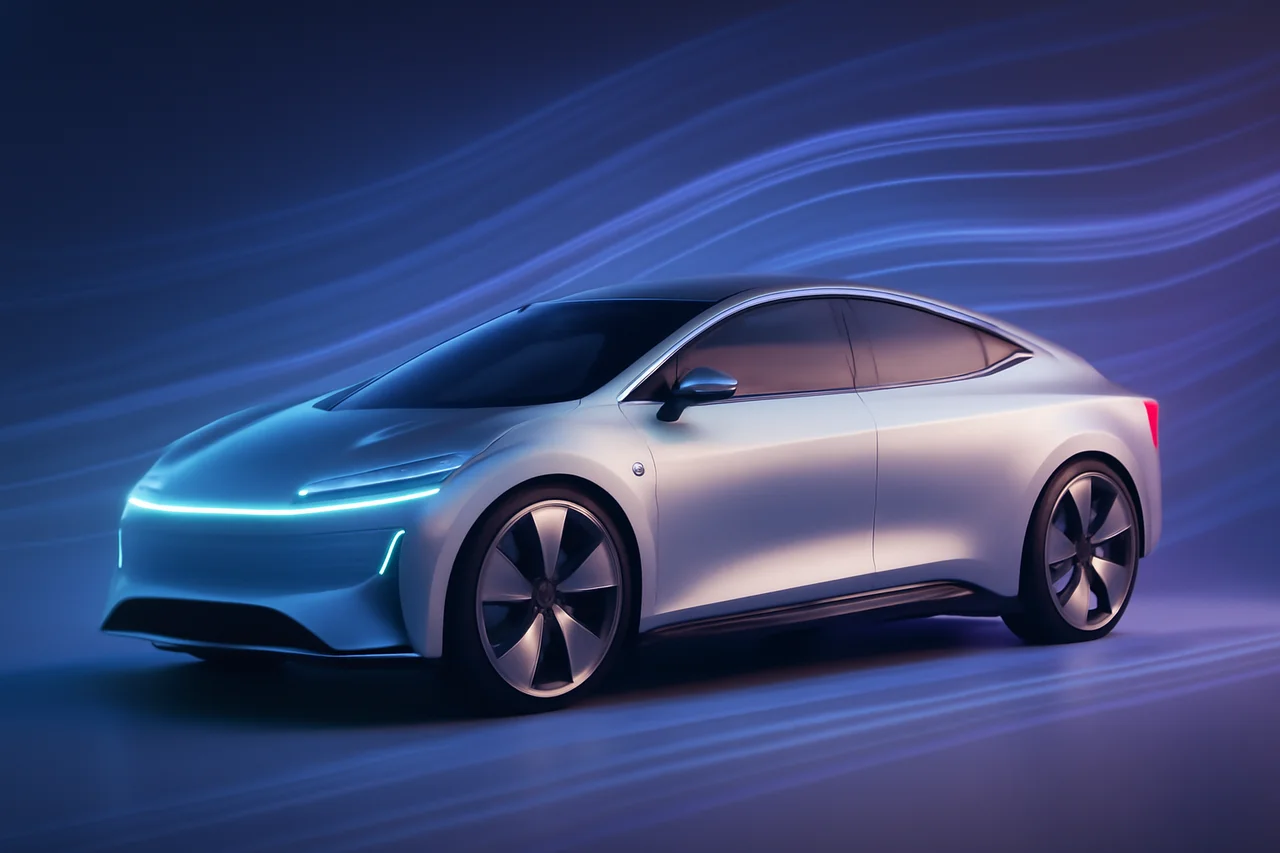
Volkswagen has made a significant stride in the electric vehicle (EV) market with the introduction of its latest halo car, designed with a strong emphasis on efficiency. This new vehicle is reported to be nearly twice as efficient as the Lucid Air, which has held the title of the most efficient production car to date. This development not only showcases Volkswagen's innovative approach to automotive design but also underscores its commitment to sustainability and energy conservation in the electric vehicle sector.
Efficiency Takes Center Stage
As the automotive industry increasingly shifts towards electric mobility, efficiency has become a crucial factor for consumers and manufacturers alike. Volkswagen's new halo car aims to redefine what efficiency means in the context of EVs. By achieving nearly double the efficiency of the Lucid Air, Volkswagen is setting a new benchmark that could influence the direction of future electric vehicle designs. This shift is not merely a technical achievement; it reflects a broader trend where consumers are prioritizing sustainability alongside performance.
Technological Innovations Behind the Design
The efficiency gains in Volkswagen's latest vehicle are attributed to a combination of advanced engineering and innovative design principles. While specific technological details have yet to be disclosed, the company has hinted at utilizing cutting-edge materials and aerodynamics to enhance performance. This approach not only improves energy consumption but also extends the vehicle's range, addressing one of the primary concerns among electric vehicle users. Innovations in battery technology, lightweight materials, and streamlined body designs are likely to play a role in achieving these efficiency milestones.
Volkswagen's Commitment to Sustainability
Volkswagen's push for an efficiency-focused halo car is part of a broader strategy to lead the automotive industry towards more sustainable practices. The company has been actively investing in electric vehicle technology, aiming to reduce its carbon footprint and promote cleaner transportation options. This new model represents an important step in that journey, as it aligns with global efforts to combat climate change. Volkswagen's commitment to sustainability is further evidenced by its initiatives to integrate renewable energy sources into its manufacturing processes and to develop a circular economy approach for vehicle production.
Market Implications of Enhanced Efficiency
The introduction of this highly efficient electric vehicle could have significant implications for the automotive market. As consumers become more environmentally conscious, the demand for vehicles that offer both performance and sustainability is expected to rise. Volkswagen's new halo car could attract a segment of consumers looking for cutting-edge technology that does not compromise on efficiency. This trend may also encourage other manufacturers to prioritize efficiency in their own EV offerings, leading to a more competitive market landscape.
Competitive Landscape
With the launch of this new model, Volkswagen is positioning itself as a formidable player in the competitive electric vehicle market. The Lucid Air has set a high standard for efficiency, but Volkswagen's latest offering challenges that status quo. As more manufacturers enter the EV landscape, the focus on efficiency will likely intensify, driving innovation across the industry. Competitors will need to respond to Volkswagen's advancements, which could lead to a wave of new technologies and designs aimed at improving the efficiency of electric vehicles.
Future Outlook for Electric Vehicles
As the automotive landscape continues to evolve, the emphasis on efficiency in electric vehicles is expected to grow. Volkswagen's new halo car is a testament to the potential for innovation in this space. With increasing pressure to meet sustainability goals and consumer expectations, the future of electric vehicles will likely be shaped by advancements in efficiency and performance. The automotive industry is at a crossroads, where the choices made today will have lasting impacts on environmental sustainability and the overall direction of transportation technology.
Conclusion
In conclusion, Volkswagen's introduction of a new efficiency-minded halo car marks a pivotal moment in the electric vehicle sector. By achieving nearly double the efficiency of the Lucid Air, Volkswagen is not only enhancing its own product lineup but also pushing the boundaries of what is possible in automotive design. As the market for electric vehicles continues to expand, Volkswagen's commitment to efficiency and sustainability will play a critical role in shaping the future of transportation. The company's focus on innovative engineering and sustainable practices sets a precedent that could inspire other automakers to follow suit, ultimately benefiting consumers and the environment alike.
Key Highlights
- Volkswagen's new halo car is nearly twice as efficient as the Lucid Air.
- The vehicle emphasizes advanced engineering and innovative design.
- Volkswagen aims to lead the automotive industry in sustainability.
- The launch could influence consumer demand for efficient EVs.
- This model sets a new benchmark for electric vehicle efficiency.
- Volkswagen's strategy reflects a commitment to reducing carbon footprints.
- The competitive landscape for EVs is becoming increasingly intense.
Expert Analysis
Technical Analysis
Volkswagen's new electric vehicle (EV) is designed with a strong focus on efficiency, reportedly achieving nearly double the efficiency of the Lucid Air, which has been recognized as the most efficient production car to date. This leap in efficiency is likely the result of advanced engineering techniques and innovative design principles, although specific technologies have not been disclosed. The vehicle's design may incorporate lightweight materials, improved aerodynamics, and possibly advancements in battery technology, all of which contribute to reduced energy consumption and extended driving range. This approach addresses key concerns for EV users, particularly regarding range anxiety and energy efficiency.
What sets this vehicle apart is its potential to redefine efficiency standards in the EV market. By establishing a new benchmark, Volkswagen is not only enhancing its competitive edge but also encouraging a broader industry shift towards sustainable practices. The emphasis on efficiency reflects a growing consumer demand for vehicles that balance performance with environmental responsibility. However, while the technical improvements are promising, the absence of detailed specifications leaves some uncertainty regarding the practical implications of these innovations.
Advantages
- Achieves nearly double the efficiency of the Lucid Air, setting a new benchmark in the EV market.
- Enhances driving range, addressing one of the primary concerns of electric vehicle users.
- Demonstrates Volkswagen's commitment to sustainability and energy conservation.
- Encourages a shift in consumer preferences towards more efficient and environmentally friendly vehicles.
Disadvantages
- No major disadvantages reported yet.
Real-World Use Cases
- Consumers seeking high-efficiency electric vehicles that do not compromise on performance.
- Businesses looking to reduce their carbon footprint through the adoption of sustainable transportation options.
- Developers and engineers in the automotive industry can use Volkswagen's innovations as a benchmark for future designs.
- Educational institutions can study this vehicle as a case for advancements in automotive efficiency and sustainability.
Business Impact
Volkswagen's introduction of a highly efficient electric vehicle could significantly impact the automotive market by increasing consumer demand for sustainable options. As more consumers prioritize efficiency alongside performance, Volkswagen may capture a larger market share, compelling competitors to innovate and enhance their own EV offerings. This competitive pressure could lead to a more dynamic market landscape, with a greater emphasis on technological advancements in efficiency.
Moreover, Volkswagen's commitment to sustainability may open new revenue opportunities as the automotive industry shifts towards greener practices. This could also position the company as a leader in the EV sector, influencing industry standards and practices moving forward.
User Impact
Ordinary users stand to benefit from Volkswagen's new efficiency-focused electric vehicle, as it promises to deliver enhanced performance while minimizing environmental impact. The vehicle's efficiency gains could lead to lower operating costs and a more sustainable driving experience. However, consumers who are less concerned about efficiency or who prioritize other features may not find this model appealing. Overall, the advancements in efficiency and sustainability make it worth considering for those looking to adopt electric vehicles in the near future.
Security & Privacy
Security and privacy analysis not applicable.
How It Compares
- Volkswagen's new model challenges the efficiency standard set by the Lucid Air, indicating a shift in competitive dynamics within the EV market.
Future Outlook
The future of electric vehicles is likely to be shaped by increasing emphasis on efficiency and sustainability, as demonstrated by Volkswagen's latest offering. As consumer expectations evolve, manufacturers will need to innovate continually to meet these demands. The automotive industry may see a surge in advancements related to battery technology, lightweight materials, and aerodynamics, all aimed at improving vehicle efficiency. This trend suggests that the next generation of electric vehicles will prioritize not only performance but also environmental responsibility.
Expert Summary
Volkswagen's unveiling of a new efficiency-focused electric vehicle marks a significant milestone in the automotive industry, setting a new standard for what consumers can expect from electric mobility. Stakeholders in the automotive sector, including manufacturers and consumers, should pay attention to this development as it may influence future designs and consumer preferences. Overall, this news highlights the importance of innovation in achieving sustainability goals and reflects a broader trend towards efficiency in the electric vehicle market.
Originally reported by TechCrunch.



