
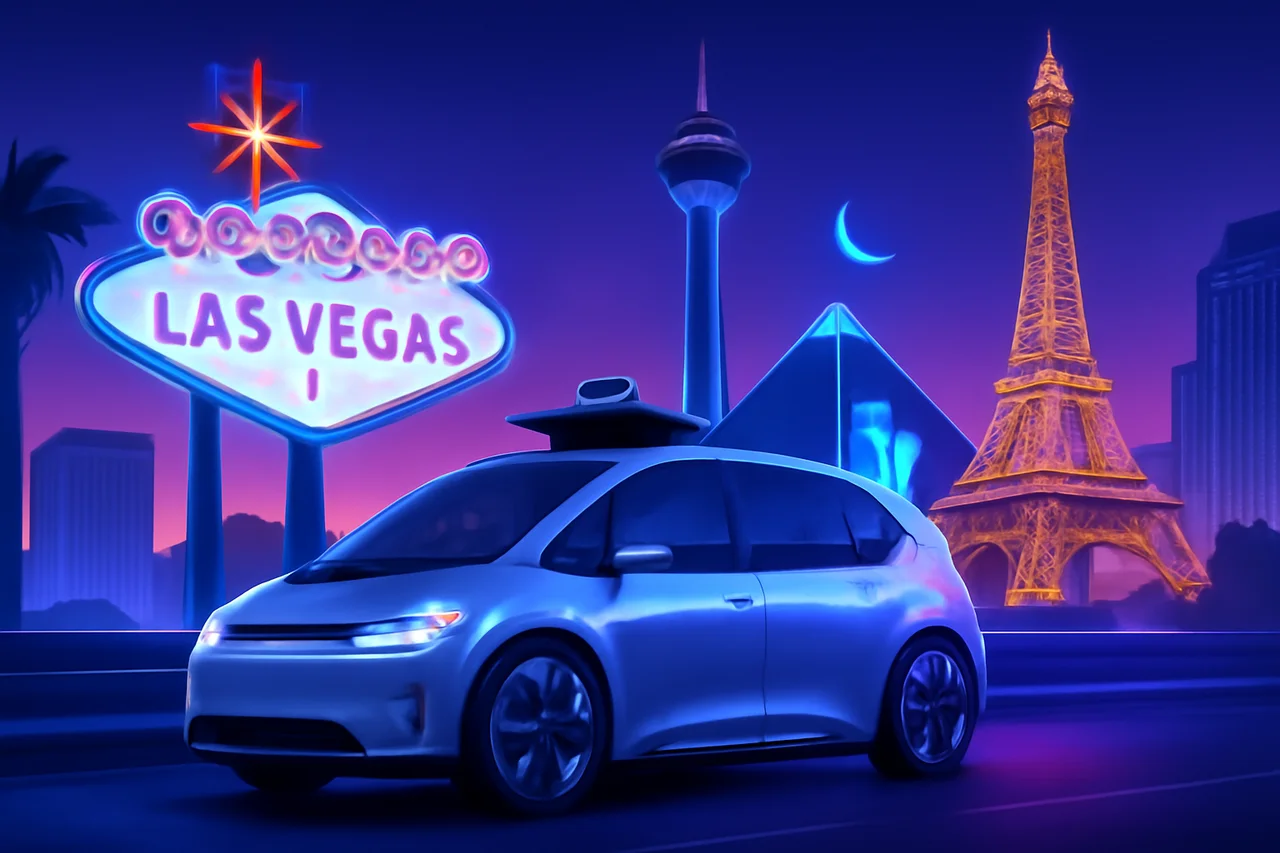
Waymo, a leader in autonomous vehicle technology, has officially launched its robotaxi service in Las Vegas. This marks a significant milestone for the company as it becomes the 15th commercial market for its innovative transportation solution. The expansion into Las Vegas not only demonstrates Waymo's commitment to enhancing urban mobility but also reflects its strategic efforts to establish a broader presence in the rapidly evolving autonomous vehicle sector.
Waymo's Vision for Autonomous Transportation
Waymo has been at the forefront of the autonomous vehicle movement since its inception. The company envisions a future where self-driving cars are a common mode of transportation, offering convenience and safety to riders. By launching its robotaxi service in Las Vegas, Waymo aims to provide residents and visitors with an efficient alternative to traditional taxi services. This vision aligns with broader trends in urban planning and transportation, where cities are increasingly looking for sustainable and efficient solutions to reduce congestion and improve air quality.
The Significance of Las Vegas
Las Vegas is known for its vibrant tourism and bustling nightlife, making it an ideal location for Waymo's robotaxi service. The city's unique landscape, characterized by its busy streets and high foot traffic, presents an excellent testing ground for autonomous vehicles. By entering this market, Waymo not only caters to the local population but also to the millions of tourists who flock to the city each year. The integration of robotaxis into the Las Vegas transportation ecosystem could potentially alleviate some of the traffic congestion that is common in the area, particularly during peak tourist seasons.
Expanding the Robotaxi Network
With the introduction of its Las Vegas service, Waymo continues to expand its robotaxi network across the United States. This strategic growth is crucial for the company as it seeks to establish itself as a leader in the autonomous vehicle industry. The Las Vegas launch follows previous expansions into other major cities, showcasing Waymo's ambition to dominate the market. Each new city provides valuable data and insights that can be used to refine the technology and improve service delivery, ultimately enhancing the overall user experience.
Technology and Safety Features
Waymo's robotaxi service leverages state-of-the-art technology to ensure a safe and reliable ride for passengers. The vehicles are equipped with advanced sensors and software that enable them to navigate complex urban environments. Safety is a top priority for Waymo, and the company has implemented rigorous testing protocols to ensure that its vehicles can handle a variety of driving conditions. The technology behind Waymo's robotaxis includes machine learning algorithms that allow the vehicles to learn from their surroundings and improve their performance over time. This continuous learning process is essential for adapting to the dynamic nature of urban driving.
Customer Experience and Accessibility
Customers using Waymo's robotaxi service can expect a seamless experience. The service aims to be user-friendly, allowing riders to easily hail a ride through a mobile app. In addition, Waymo is committed to making its service accessible to a diverse range of users, ensuring that everyone can benefit from this innovative transportation option. This commitment to accessibility is particularly important in a city like Las Vegas, where the population is diverse and includes individuals with varying mobility needs. By prioritizing inclusivity, Waymo is setting a standard for future autonomous transportation services.
Looking Ahead
The launch of the robotaxi service in Las Vegas is just the beginning for Waymo. As the company continues to expand its operations, it plans to explore additional markets and enhance its technology further. The future of transportation is changing rapidly, and Waymo is poised to be at the forefront of this transformation, paving the way for a new era of mobility. With ongoing advancements in artificial intelligence and machine learning, the potential for autonomous vehicles to reshape urban landscapes is immense. Waymo's efforts in Las Vegas could serve as a model for other cities looking to implement similar services, highlighting the importance of collaboration between technology companies and urban planners in creating sustainable transportation solutions.
Key Highlights
- Waymo has launched its robotaxi service in Las Vegas.
- This marks Waymo's 15th commercial market for its robotaxi service.
- Las Vegas is an ideal location due to its heavy tourism and traffic.
- The service aims to provide a safe and convenient alternative to traditional taxis.
- Waymo's technology includes advanced sensors for navigating urban environments.
- The robotaxi service is designed to be user-friendly and accessible.
- Waymo continues to expand its operations across the United States.
Expert Analysis
Technical Analysis
Waymo's robotaxi service utilizes advanced autonomous vehicle technology, including sophisticated sensors and machine learning algorithms. These technologies enable the vehicles to navigate complex urban environments safely and efficiently. The robotaxis are designed to learn from their surroundings, adapting to various driving conditions, which enhances their performance over time. This continuous learning capability is crucial for addressing the dynamic nature of urban driving, where traffic patterns and pedestrian behaviors can change rapidly.
The introduction of Waymo's robotaxi service in Las Vegas addresses the growing demand for sustainable urban transportation solutions. By providing an alternative to traditional taxi services, Waymo aims to alleviate traffic congestion and improve air quality in a city known for its high tourist traffic. However, while the technology offers significant improvements in safety and efficiency, it still faces limitations, such as regulatory hurdles and public acceptance of autonomous vehicles in everyday transportation.
Advantages
- Provides an efficient alternative to traditional taxi services.
- Aims to reduce traffic congestion in busy urban areas.
- Utilizes advanced technology for safe navigation in complex environments.
- Offers a user-friendly experience through a mobile app.
- Commits to accessibility for a diverse range of users.
Disadvantages
- No major disadvantages reported yet.
Real-World Use Cases
- Tourists can use the robotaxi service to navigate the busy streets of Las Vegas without the need for a rental car.
- Local residents can rely on the service for convenient transportation to work or leisure activities.
- Individuals with mobility challenges can access the service, enhancing their transportation options in the city.
- Businesses can utilize the robotaxi service for employee transportation or logistics within the urban area.
- Urban planners can study the integration of robotaxis to inform future transportation infrastructure developments.
Business Impact
Waymo's expansion into Las Vegas represents a strategic move to solidify its position in the competitive autonomous vehicle market. By becoming the 15th commercial market for its robotaxi service, Waymo is not only enhancing its brand visibility but also creating new revenue opportunities in a city that attracts millions of visitors annually. This expansion could prompt competitors to accelerate their own autonomous vehicle initiatives, potentially reshaping the landscape of urban mobility services across the country.
As Waymo continues to gather data and insights from its operations in Las Vegas, it may refine its technology further, leading to improved service delivery and user experience. This could set a precedent for other cities considering similar autonomous transportation solutions, fostering a broader acceptance of robotaxis in urban environments.
User Impact
The launch of Waymo's robotaxi service in Las Vegas primarily benefits tourists and local residents by providing a convenient and efficient mode of transportation. With the service being accessible via a mobile app, users can easily hail rides, making it a practical option for navigating the city's busy streets. However, the adoption of such technology may not appeal to all demographics, particularly those who prefer traditional forms of transportation or have concerns about the safety of autonomous vehicles. Overall, ordinary users should consider the potential benefits of adopting this service, especially in a bustling city like Las Vegas where traffic congestion is a common issue.
Security & Privacy
Security and privacy analysis not applicable.
Future Outlook
Looking ahead, Waymo is likely to continue expanding its robotaxi service into additional markets, leveraging the data collected in Las Vegas to enhance its technology and user experience. As advancements in artificial intelligence and machine learning progress, the capabilities of autonomous vehicles are expected to improve, potentially leading to wider acceptance and integration into urban transportation systems. This expansion may also encourage collaboration between technology companies and city planners, paving the way for more sustainable and efficient urban mobility solutions.
Expert Summary
Waymo's expansion of its robotaxi service into Las Vegas is a significant development in the autonomous vehicle sector, highlighting the company's commitment to transforming urban transportation. Stakeholders in the transportation industry, urban planners, and technology enthusiasts should pay attention to this launch, as it could serve as a model for future implementations of autonomous services in other cities. Overall, this news underscores the potential for autonomous vehicles to reshape urban mobility and improve the efficiency of transportation systems.
Originally reported by TechCrunch.



