
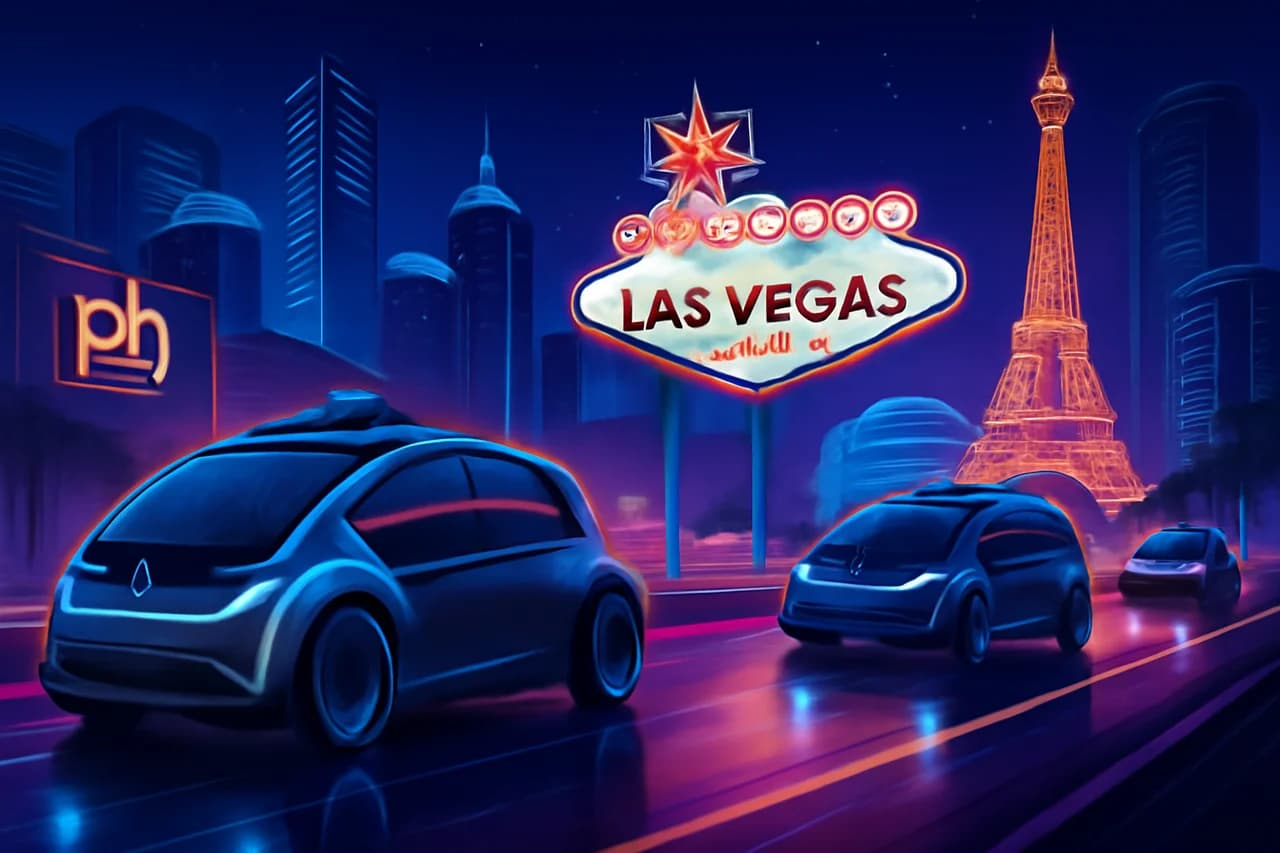
Waymo, a leader in autonomous vehicle technology, has officially rolled out its fully autonomous robotaxis in Las Vegas. This development marks a significant milestone for the company and the broader self-driving industry, as it expands its services into urban environments. The introduction of these robotaxis is not only a testament to Waymo's technological advancements but also a reflection of the growing acceptance and integration of autonomous vehicles into everyday life.
Service Details
The newly launched robotaxi service is initially focused on the bustling Las Vegas Strip, an area known for its high foot traffic and vibrant nightlife. By concentrating on this popular location, Waymo aims to demonstrate the capabilities of its autonomous vehicles in a complex urban setting. The Las Vegas Strip presents unique challenges and opportunities for autonomous driving, with its mix of tourists, pedestrians, and other vehicles creating a dynamic environment for testing and showcasing the technology.
Waymo's robotaxi service operates without a human driver, utilizing a sophisticated array of sensors and artificial intelligence to navigate the streets. Passengers can summon a robotaxi through an app, similar to existing rideshare services. This convenience is expected to attract both locals and tourists, offering them a new mode of transportation that aligns with the city’s forward-thinking ethos.
Significance of the Launch
This launch is not just a step forward for Waymo but also represents a crucial moment in the evolution of self-driving technology. As urban areas become increasingly congested, the introduction of autonomous ridesharing options could alleviate some of the transportation challenges faced by residents and visitors alike. With the potential to reduce traffic congestion and lower emissions, Waymo's robotaxis could play a significant role in shaping the future of urban mobility.
Moreover, this initiative could serve as a model for other cities grappling with similar transportation issues. If successful, it may encourage city planners and policymakers to consider autonomous vehicles as a viable solution for urban transportation dilemmas.
Waymo's Vision for the Future
Waymo envisions a future where autonomous vehicles play a key role in urban mobility. By starting in Las Vegas, the company is strategically placing its technology in a city that is already accustomed to innovation and new experiences. The hope is that successful operations in Las Vegas will pave the way for broader adoption in other metropolitan areas.
Waymo's broader vision includes not only enhancing the convenience of transportation but also improving safety on the roads. Autonomous vehicles have the potential to significantly reduce accidents caused by human error, which is a leading cause of traffic fatalities. As Waymo gathers data from its operations, it aims to refine its algorithms and improve the overall performance of its robotaxis.
Challenges Ahead
While the launch is promising, Waymo faces several challenges as it navigates the complexities of urban driving. Issues such as unpredictable pedestrian behavior, traffic congestion, and regulatory hurdles will require ongoing adjustments and improvements to its technology. The company is committed to addressing these challenges as it seeks to enhance the safety and efficiency of its robotaxi service.
Regulatory frameworks surrounding autonomous vehicles are still evolving, and Waymo must work closely with local authorities to ensure compliance and gain public trust. Additionally, the company will need to continuously adapt its technology to respond to the unpredictable nature of urban environments, which can include anything from sudden road closures to unexpected weather conditions.
Public Reception and Future Expansion
The public's response to Waymo's robotaxis will be crucial for the service's long-term success. Early feedback from passengers will help the company refine its offerings and improve user experience. Understanding how passengers interact with the technology, their comfort levels, and any concerns they may have will be essential for Waymo to build a loyal customer base.
Depending on the success of the Las Vegas launch, Waymo may look to expand its services to other cities in the near future, further advancing the acceptance of autonomous transportation. Cities with similar characteristics to Las Vegas, such as high tourist traffic and an openness to technological innovation, may be prime candidates for future expansions.
Conclusion
Waymo's launch of fully autonomous robotaxis in Las Vegas signifies a pivotal moment in the journey toward widespread autonomous vehicle adoption. As the company gathers insights from its operations on the Strip, it will continue to innovate and push the boundaries of what self-driving technology can achieve in urban environments. The success of this initiative could not only reshape transportation in Las Vegas but also set a precedent for cities around the world, marking a significant step toward a future where autonomous vehicles are a common sight on our roads.
Key Highlights
- Waymo has launched its fully autonomous robotaxis in Las Vegas.
- The service will initially operate around the Las Vegas Strip.
- This launch marks a significant step for self-driving technology.
- Waymo aims to alleviate urban transportation challenges with its service.
- The company envisions a future where autonomous vehicles are commonplace.
- Challenges such as pedestrian behavior and traffic congestion remain.
- Public feedback will be crucial for the success of the robotaxi service.
Expert Analysis
Technical Analysis
Waymo's fully autonomous robotaxis utilize advanced sensors and artificial intelligence to navigate urban environments without human intervention. The technology integrates various components, including LIDAR, cameras, and machine learning algorithms, to perceive surroundings, make real-time decisions, and ensure safe navigation. This system addresses the challenges of urban driving, such as pedestrian interactions and complex traffic patterns, by continuously learning from its environment and improving its operational algorithms.
What sets Waymo's robotaxis apart is their deployment in a high-traffic area like the Las Vegas Strip, which serves as both a testing ground and a demonstration of the technology's capabilities. The focus on a bustling urban setting allows Waymo to showcase how autonomous vehicles can adapt to dynamic conditions, potentially reducing traffic congestion and emissions. However, the technology still faces limitations, such as the need for ongoing adjustments to handle unpredictable pedestrian behavior and regulatory compliance, which could impact its scalability and public acceptance.
Advantages
- Provides a new mode of transportation for locals and tourists in Las Vegas.
- Utilizes advanced AI and sensor technology for safe navigation in complex urban environments.
- Potentially reduces traffic congestion and lowers emissions in urban areas.
- Aligns with the city's innovative ethos, appealing to a tech-savvy audience.
Disadvantages
- Challenges include unpredictable pedestrian behavior and traffic congestion.
- Regulatory hurdles may slow down deployment and public acceptance.
- Technology must continuously adapt to urban complexities, which can be resource-intensive.
Real-World Use Cases
- Tourists can summon robotaxis to navigate the Las Vegas Strip conveniently.
- Local residents can use the service for daily commutes or errands without needing a personal vehicle.
- City planners can analyze data from the service to inform future transportation policies and infrastructure development.
Business Impact
Waymo's launch of robotaxis in Las Vegas could significantly influence the autonomous vehicle market by demonstrating the viability of self-driving technology in urban settings. This initiative may prompt competitors to accelerate their own developments in autonomous transportation, potentially leading to increased investment and innovation within the industry. Additionally, successful operations could open new revenue streams for Waymo and encourage partnerships with local governments and businesses, enhancing the overall ecosystem for autonomous mobility.
User Impact
Ordinary users, particularly those in urban areas, stand to benefit from the convenience and accessibility of autonomous robotaxis. This service could provide a reliable transportation option for those who do not own vehicles or prefer not to drive. However, users may have concerns regarding safety and the reliability of the technology, which could affect their willingness to adopt this new mode of transport. Overall, the launch represents a significant step toward integrating autonomous vehicles into everyday life, making it worth watching for potential users.
Security & Privacy
Security and privacy analysis not applicable.
Future Outlook
In the near term, Waymo is likely to focus on gathering user feedback and refining its technology based on real-world interactions in Las Vegas. If the initial launch proves successful, the company may expand its services to other cities with similar characteristics, further promoting the adoption of autonomous vehicles. As regulatory frameworks evolve, Waymo could also play a pivotal role in shaping policies that govern the use of autonomous transportation in urban environments.
Expert Summary
Waymo's launch of fully autonomous robotaxis in Las Vegas is a significant milestone in the evolution of self-driving technology. Stakeholders in the transportation sector, urban planning, and technology development should pay close attention to this initiative, as its success could influence future urban mobility solutions. Overall, this development underscores the potential for autonomous vehicles to transform transportation in cities, making it a noteworthy advancement in the industry.
Originally reported by Engadget - Technology News & Expert Reviews.



