
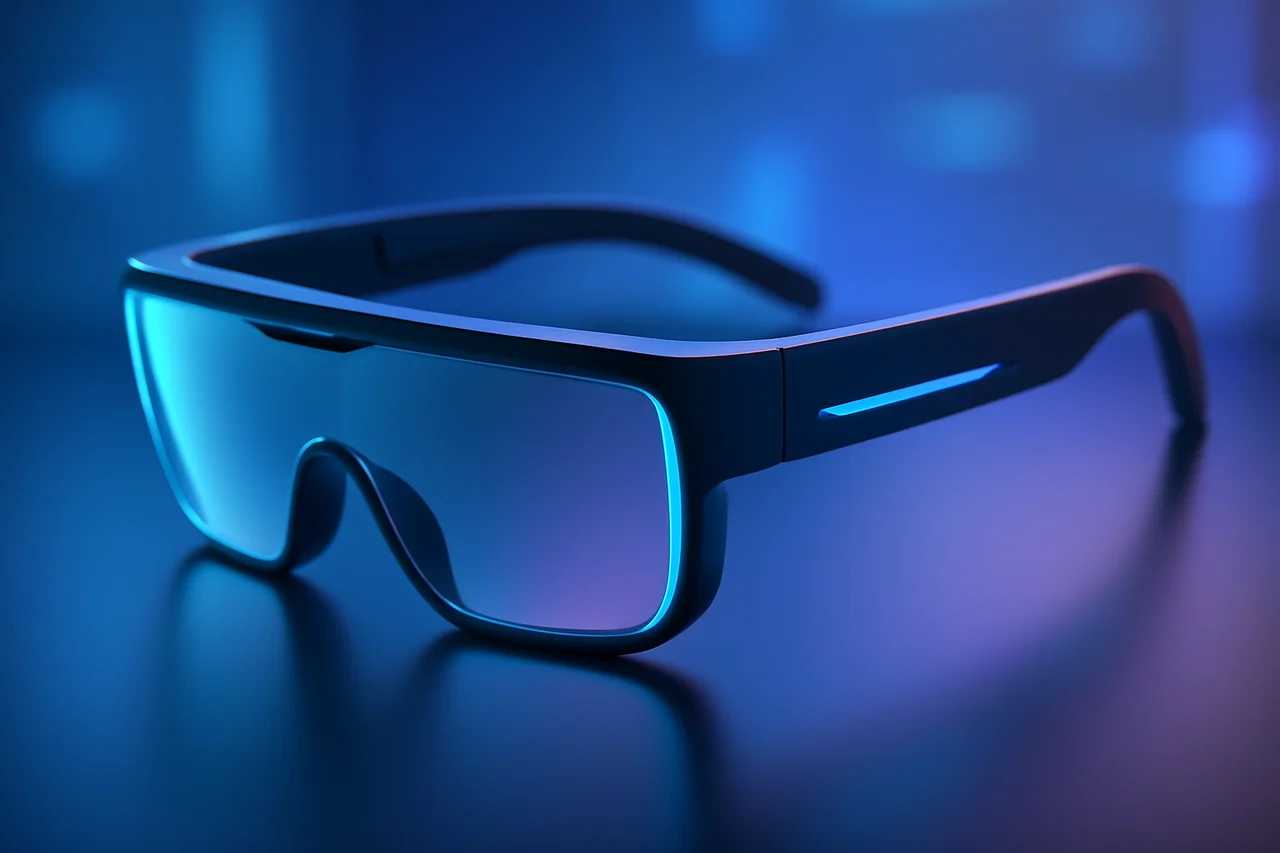
The tech world is always buzzing with anticipation for the next big innovation, and XREAL's Project Aura glasses are no exception. After a long wait filled with speculation and excitement, I finally had the opportunity to test these Android XR glasses. My initial concerns about the performance and usability of this new technology were quickly dispelled, as I found myself immersed in a surprisingly polished experience. Now, I’m eagerly counting down to their official launch.
What Are Project Aura Glasses?
XREAL's Project Aura glasses represent a significant leap in augmented reality (AR) technology, designed specifically for the Android ecosystem. These glasses aim to blend the digital and physical worlds seamlessly, allowing users to interact with their environment in new and innovative ways. With a sleek design and advanced features, they promise to redefine how we engage with our digital content.
Augmented reality has been a buzzword in the tech industry for several years, with companies experimenting with various applications ranging from gaming to education. However, many AR devices have struggled with user adoption due to issues such as comfort, usability, and practicality. XREAL's Project Aura glasses seem to address these concerns head-on, making them a noteworthy contender in the crowded AR market.
Initial Impressions
Upon putting on the Project Aura glasses for the first time, I was struck by their comfort and lightweight design. Unlike many AR devices that can feel bulky or cumbersome, these glasses fit snugly without causing fatigue. The display quality was impressive, showcasing vibrant colors and sharp images that enhanced the overall experience. This made it easy to forget that I was wearing a piece of technology, rather than just a regular pair of glasses.
The design of the glasses is not only aesthetically pleasing but also functional. The lightweight materials used in their construction contribute to prolonged wear without discomfort, a critical factor for any wearable technology. As I navigated through various applications, I appreciated how the glasses felt like an extension of myself rather than an intrusive gadget.
User Experience and Performance
My biggest concern prior to testing the Project Aura glasses was how well they would perform within the Android ecosystem. Historically, integrating new technology with existing platforms can lead to compatibility issues or performance hiccups. However, I was pleasantly surprised by how seamlessly the glasses operated. The interface was intuitive, allowing for easy navigation through apps and features. This smooth performance alleviated many of my initial apprehensions.
Moreover, the responsiveness of the glasses was commendable. The interaction with digital elements felt natural, and the ability to manipulate virtual objects with simple gestures added to the immersive experience. This level of performance is crucial, especially as users begin to rely on AR technology for everyday tasks.
Features That Stand Out
One of the standout features of the Project Aura glasses is their ability to overlay digital information onto the real world. This AR capability opens up a plethora of possibilities for users, from enhanced gaming experiences to practical applications like navigation and information display. The glasses also support various Android applications, making them versatile tools for both entertainment and productivity.
- Enhanced Gaming: Imagine playing your favorite games with characters and environments seamlessly integrated into your physical space. The Project Aura glasses promise to elevate gaming experiences to new heights.
- Navigation Assistance: With real-time navigation overlays, users can receive directions without needing to look down at their phones, making it safer and more convenient.
- Information Display: Whether it's displaying notifications, reminders, or even social media updates, the glasses can keep users connected without pulling them away from their surroundings.
Anticipation for the Launch
Having experienced the Project Aura glasses firsthand, my excitement for their official launch has only intensified. The potential applications for this technology are vast, and I can envision a future where AR glasses become a staple in daily life. As I count down the days until their release, I am eager to see how the broader public reacts to this innovative product. Will it live up to the hype? Only time will tell.
The anticipation surrounding the launch of Project Aura is not just about the technology itself but also about how it could influence our daily interactions with the digital world. As consumers become more accustomed to immersive experiences, the demand for such innovative products will likely grow.
Conclusion
In conclusion, XREAL's Project Aura glasses have made a strong impression on me during my initial testing phase. The combination of comfort, performance, and innovative features positions them as a promising addition to the AR landscape. As we await their launch, the anticipation continues to build, and I find myself excited to see how these glasses will change the way we interact with technology. With the right marketing and user education, Project Aura could very well pave the way for mainstream adoption of augmented reality in everyday life.
Key Highlights
- XREAL's Project Aura glasses are designed for the Android ecosystem.
- The glasses feature a lightweight design for comfortable wear.
- Initial tests show impressive display quality and performance.
- The user interface is intuitive and easy to navigate.
- AR capabilities allow for innovative applications in daily life.
- The author is eagerly counting down to the product's launch.
- Project Aura glasses aim to redefine user interaction with digital content.
Expert Analysis
Technical Analysis
XREAL's Project Aura glasses utilize augmented reality (AR) technology integrated within the Android ecosystem to create a seamless blend of digital and physical environments. This technology allows users to interact with digital content overlaid onto their real-world surroundings, enhancing their experience across various applications such as gaming, navigation, and information display. The glasses are designed to be lightweight and comfortable, addressing common user concerns related to bulky AR devices, which often hinder adoption. The advanced display quality provides vibrant colors and sharp images, contributing to an immersive experience that feels natural and intuitive.
The Project Aura glasses stand out due to their compatibility with existing Android applications, which broadens their usability and appeal. Users can expect smooth performance and responsiveness, allowing for natural interactions with digital elements through simple gestures. However, while the glasses show promise in addressing previous limitations of AR technology, their success will depend on user acceptance and the ability to integrate into daily life effectively. Potential challenges include ensuring long-term comfort, battery life, and the development of compelling applications that leverage their capabilities fully.
Advantages
- Lightweight and comfortable design allows for prolonged wear without discomfort.
- High-quality display with vibrant colors and sharp images enhances user experience.
- Seamless integration with the Android ecosystem ensures compatibility with various applications.
- Intuitive interface and responsive performance facilitate easy navigation and interaction.
Disadvantages
- No major disadvantages reported yet.
Real-World Use Cases
- Enhanced gaming experiences where virtual characters and environments are integrated into the physical space.
- Real-time navigation assistance that overlays directions onto the user's view, improving safety and convenience.
- Displaying notifications and reminders without needing to check a smartphone, keeping users connected while engaged in their surroundings.
Business Impact
The launch of XREAL's Project Aura glasses could significantly impact the AR market by setting new standards for usability and comfort, potentially driving increased consumer interest in AR technology. As users become more accustomed to immersive experiences, businesses that adopt this technology may find new revenue opportunities in sectors such as gaming, education, and productivity tools. Competitors will need to respond to the advancements presented by Project Aura to maintain relevance in the evolving AR landscape.
User Impact
Ordinary users stand to benefit greatly from the Project Aura glasses, as they promise to enhance everyday tasks through intuitive AR interactions. Those who are tech-savvy and enjoy gaming or productivity tools may find these glasses particularly appealing. However, users who are less familiar with AR technology might face a learning curve in adapting to this new way of interacting with digital content. Overall, the glasses present a compelling case for adoption, especially as they aim to integrate seamlessly into daily life.
Security & Privacy
Security and privacy analysis not applicable.
Future Outlook
In the near term, we can expect XREAL to focus on refining the user experience based on feedback from initial testers and preparing for a successful launch. The industry may see a push towards developing more applications that leverage AR capabilities, potentially leading to increased competition among tech companies. As consumer interest in immersive technologies grows, we may also witness advancements in hardware and software that further enhance the functionality and appeal of AR devices.
Expert Summary
The anticipation surrounding XREAL's Project Aura glasses highlights a significant step forward in the AR market, particularly in addressing user comfort and seamless integration with existing technology. Stakeholders in the tech industry, including developers and businesses, should pay close attention to this launch, as it may influence future trends in augmented reality adoption. Overall, Project Aura represents a promising innovation that could reshape how we interact with digital content in our daily lives.
Originally reported by Android Authority.



