
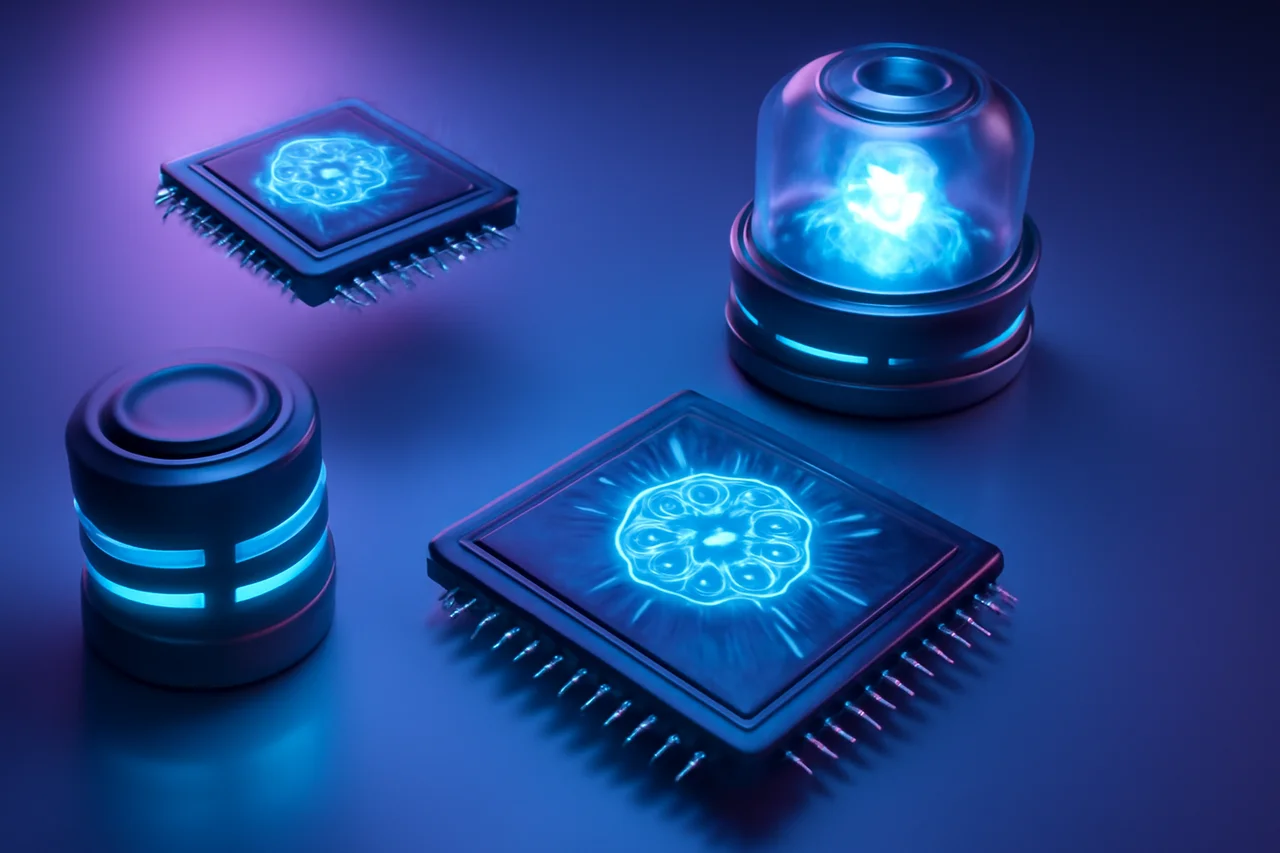
Y Combinator, one of the most influential startup accelerators in the world, recently held its summer Demo Day, showcasing a new batch of innovative startups. This event is a pivotal moment for entrepreneurs, as it provides them with the opportunity to present their ideas to a room full of eager venture capitalists (VCs) looking for the next big thing. The latest Demo Day featured a diverse array of groundbreaking technologies, from floating reactors to brain chips, marking a significant trend in the startup ecosystem.
Innovative Technologies on Display
The summer batch of Y Combinator has brought forth a host of startups that are not only ambitious but also tackle some of the most pressing challenges of our time. Among the standout technologies presented were floating reactors, which promise to revolutionize energy generation by utilizing water-based platforms. This innovation could potentially lead to cleaner and more sustainable energy solutions.
Floating reactors are designed to harness the power of water currents and waves, offering a unique approach to energy generation that could mitigate some of the environmental impacts associated with traditional energy sources. By positioning reactors on floating platforms, these startups are exploring new avenues for offshore energy production, which could significantly reduce land usage and environmental disruption. As the world grapples with climate change and the need for sustainable energy sources, the emergence of floating reactors could play a crucial role in the transition to a greener economy.
Brain Chips: A Leap into the Future
Another notable highlight from the Demo Day was the introduction of brain chips. These devices represent a significant advancement in neurotechnology, aiming to enhance cognitive functions and potentially aid in treating neurological disorders. The implications of such technology are vast, positioning it at the intersection of healthcare and artificial intelligence.
Brain chips have the potential to revolutionize how we understand and interact with the human brain. By integrating advanced computing capabilities directly with neural pathways, these chips could facilitate new treatments for conditions such as Alzheimer's, Parkinson's, and other cognitive impairments. Moreover, the ability to enhance cognitive functions could open doors to new ways of learning and interacting with technology, creating a future where human capabilities are augmented by artificial intelligence.
Venture Capitalists' Perspective
Venture capitalists play a crucial role in the success of startups, and their selections from Y Combinator's Demo Day reflect current market trends and interests. The enthusiasm surrounding these emerging technologies indicates a robust appetite for investment in sectors that prioritize innovation and sustainability. VCs are increasingly looking for startups that not only promise financial returns but also contribute positively to society.
As the landscape of venture capital evolves, there is a noticeable shift towards funding projects that align with broader societal goals, such as environmental sustainability and health advancements. This trend suggests that investors are becoming more conscientious about the impact of their investments, seeking to support companies that aim to solve real-world problems. The presence of floating reactors and brain chips in this latest batch underscores this shift, as both technologies have the potential to address critical issues in energy and healthcare.
The Role of Y Combinator
Y Combinator has established itself as a breeding ground for innovation, having nurtured many successful companies over the years. The accelerator provides startups with the necessary resources, mentorship, and funding to refine their ideas and scale their operations. This latest batch is no exception, as it showcases the accelerator's commitment to fostering groundbreaking technologies that can disrupt traditional industries.
By offering a structured program that includes guidance from experienced entrepreneurs and industry experts, Y Combinator equips startups with the tools they need to navigate the complexities of launching a business. The accelerator's extensive network of alumni and investors also plays a vital role in helping new startups gain traction and visibility in a competitive market. As these startups emerge from the Y Combinator ecosystem, they carry with them the legacy of innovation and ambition that the accelerator is known for.
What’s Next for These Startups?
With the spotlight on them, the featured startups from Y Combinator's summer batch now face the challenge of transitioning from concept to reality. Securing funding and navigating the complexities of bringing innovative products to market will be critical for their success. As these entrepreneurs embark on their journeys, the support from the venture capital community will be vital in helping them realize their visions.
Additionally, these startups will need to focus on building a strong business model that not only attracts investment but also ensures long-term sustainability. This includes conducting thorough market research, understanding customer needs, and developing strategies for scaling their operations effectively. The road ahead will be filled with challenges, but the potential rewards for those who succeed are immense, both in terms of financial returns and societal impact.
Conclusion: A Promising Future
The latest Demo Day at Y Combinator has once again highlighted the vibrant and dynamic nature of the startup ecosystem. The selection of startups focusing on floating reactors and brain chips underscores a growing trend towards innovative solutions that address both energy and health challenges. As venture capitalists continue to back these ambitious projects, the future looks promising for the next generation of entrepreneurs.
In conclusion, the innovations presented at Y Combinator's summer Demo Day not only reflect the creativity and determination of the entrepreneurs involved but also signal a shift in the types of technologies that are gaining traction in the market. With a focus on sustainability and health, these startups are poised to make a significant impact in their respective fields, potentially changing the way we think about energy and human enhancement in the years to come.
Key Highlights
- Y Combinator's summer Demo Day showcased innovative startups.
- Floating reactors aim to revolutionize energy generation.
- Brain chips represent a significant advancement in neurotechnology.
- Venture capitalists are increasingly interested in sustainable solutions.
- Y Combinator continues to nurture groundbreaking technologies.
- Startups face challenges in transitioning from concept to market.
- The event highlights the dynamic nature of the startup ecosystem.
Expert Analysis
Technical Analysis
The technologies showcased at Y Combinator's summer Demo Day include floating reactors and brain chips, both of which represent significant advancements in their respective fields. Floating reactors are designed to generate energy using water-based platforms, harnessing the power of ocean currents and waves. This innovative approach aims to provide a cleaner and more sustainable energy solution by reducing the environmental impact associated with traditional land-based energy production. The technology addresses the pressing need for renewable energy sources in the face of climate change, positioning itself as a viable alternative for offshore energy generation.
On the other hand, brain chips signify a leap in neurotechnology, integrating advanced computing capabilities with neural pathways to enhance cognitive functions and potentially treat neurological disorders. This technology holds promise for revolutionizing healthcare by providing new treatment avenues for conditions like Alzheimer's and Parkinson's, while also augmenting human capabilities through artificial intelligence. However, the development and implementation of brain chips raise ethical considerations and technical challenges related to privacy, security, and the long-term effects of such enhancements on human cognition.
Advantages
- Floating reactors could lead to cleaner and more sustainable energy solutions.
- The use of floating platforms reduces land usage and environmental disruption.
- Brain chips have the potential to enhance cognitive functions and treat neurological disorders.
- Both technologies align with broader societal goals, attracting venture capital investment.
- Y Combinator provides startups with mentorship and resources to refine their ideas.
Disadvantages
- No major disadvantages reported yet.
Real-World Use Cases
- Energy production from floating reactors can be utilized by countries seeking renewable energy sources.
- Healthcare providers could use brain chips to develop new treatments for cognitive impairments.
- Educational institutions may adopt brain chip technology to enhance learning experiences.
- Startups can leverage Y Combinator's resources to scale innovative solutions in energy and healthcare.
Business Impact
The emergence of floating reactors and brain chips from Y Combinator's summer batch indicates a shift in the venture capital landscape towards funding projects that prioritize sustainability and health advancements. This trend could lead to increased investment in innovative technologies that address critical societal challenges, creating new revenue opportunities for startups in these sectors. As VCs show enthusiasm for these emerging technologies, the competitive landscape may evolve, with traditional energy and healthcare companies needing to adapt to these disruptive innovations to maintain their market positions.
User Impact
Ordinary users stand to benefit significantly from the advancements presented at Y Combinator's Demo Day. The potential for cleaner energy solutions through floating reactors could lead to lower energy costs and a reduced carbon footprint for consumers. Meanwhile, brain chips could revolutionize healthcare, offering new treatments for debilitating neurological conditions that affect millions. However, the ethical implications of brain chip technology may raise concerns for some users regarding privacy and the nature of cognitive enhancement. Overall, these innovations are worth paying attention to as they could reshape the future of energy and healthcare.
Security & Privacy
Security and privacy analysis not applicable.
Future Outlook
The future for the startups emerging from Y Combinator's summer Demo Day looks promising, particularly as they navigate the transition from concept to market-ready products. As these companies seek funding and refine their business models, the focus on sustainability and health will likely drive further innovation in these fields. In the near term, we can expect to see increased collaboration between startups and established companies, as well as potential regulatory developments that could shape the deployment of these technologies in society.
Expert Summary
The innovations highlighted at Y Combinator's summer Demo Day signal a significant shift in the startup ecosystem towards technologies that address pressing global challenges in energy and healthcare. Stakeholders in venture capital, technology, and healthcare should pay close attention to these developments, as they represent not only potential financial returns but also the opportunity to contribute to a more sustainable and healthier future. The success of these startups could pave the way for a new era of innovation that prioritizes societal impact alongside profitability.
Originally reported by TechCrunch.



