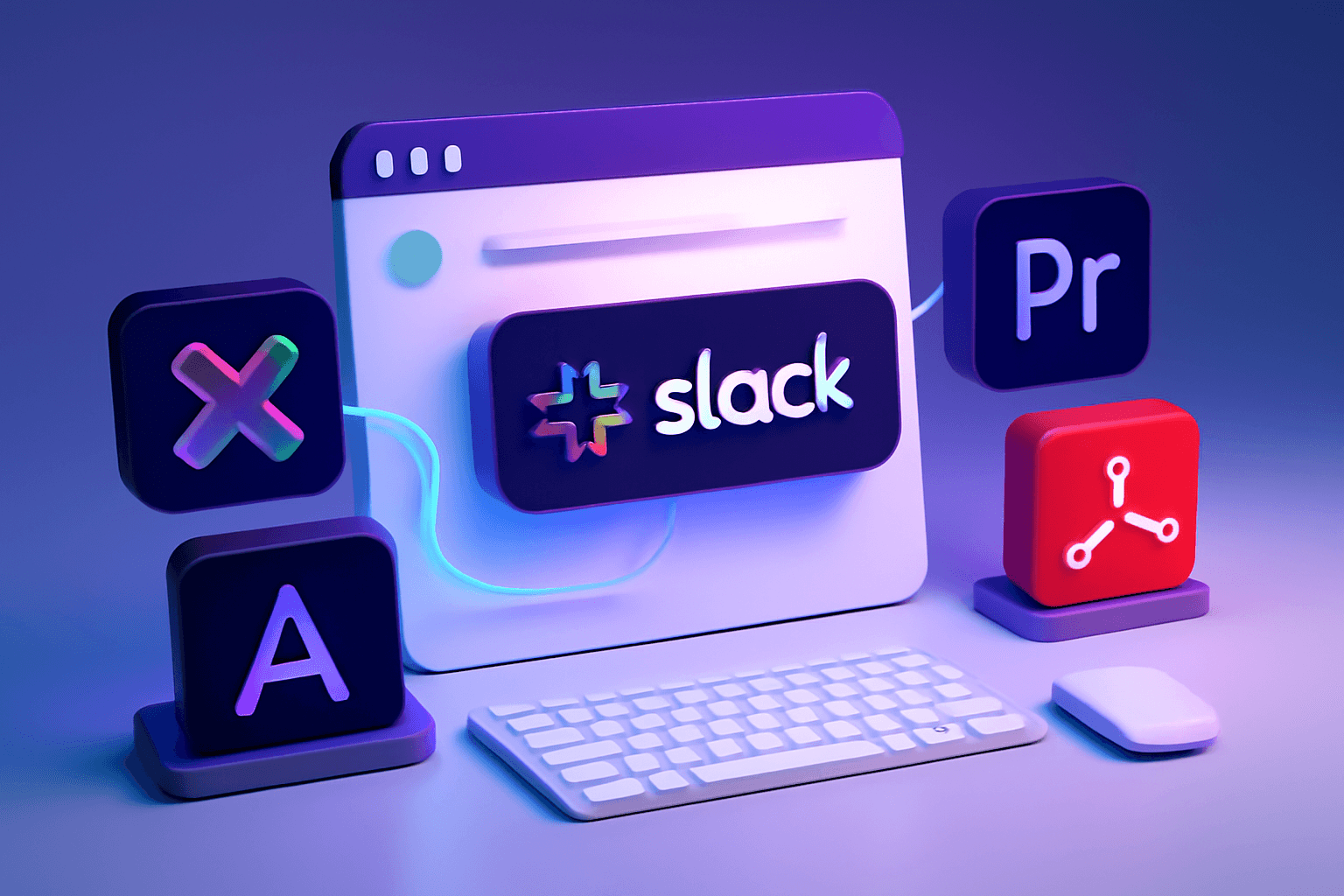
In a significant move to enhance productivity and streamline workflows, Adobe has announced the integration of its popular tools into the Slack platform. This development allows users to access applications like Adobe Express, Premiere, and Acrobat directly within their Slack environment, making collaboration and content creation more efficient than ever.
Seamless Access to Adobe Tools
The integration of Adobe's tools into Slack means that users can now utilize powerful design, video editing, and document management capabilities without leaving their chat platform. By embedding these applications, Adobe aims to facilitate smoother collaboration among teams, especially those that rely heavily on visual content and documentation. This seamless access not only simplifies the user experience but also encourages the adoption of creative tools by providing an intuitive interface that fits naturally into existing workflows.
Enhancing Workflow Efficiency
With the incorporation of Adobe Express, Premiere, and Acrobat, Slack users can expect a significant boost in their workflow efficiency. The ability to create graphics, edit videos, and manage PDFs directly within Slack reduces the need to switch between applications, thereby saving time and minimizing distractions. This seamless interaction is particularly beneficial for teams that operate in fast-paced environments, where quick decision-making and rapid execution are crucial. By allowing users to work within a single platform, Adobe and Slack are effectively removing barriers that often hinder productivity.
Targeting Creative Professionals
This integration appears to be targeted at creative professionals who frequently use Adobe’s suite of tools. By providing access to these applications within Slack, Adobe is positioning itself as a more central player in the daily workflows of creative teams. This move could potentially attract more users to both Adobe's and Slack's platforms, enhancing their collaborative capabilities. Furthermore, by catering specifically to the needs of creative professionals, Adobe is reinforcing its commitment to supporting the creative community, which has been a cornerstone of its brand identity.
Implications for Team Collaboration
The direct access to Adobe tools within Slack is expected to have a profound impact on team collaboration. Teams can now share, edit, and discuss their projects in real time, leveraging the strengths of both platforms. For instance, a marketing team can create promotional materials in Adobe Express, share them in Slack for immediate feedback, and finalize the documents using Acrobat—all within the same conversation thread. This level of integration fosters a more dynamic and interactive environment, where ideas can be exchanged freely and revisions can be made on the fly, ultimately leading to higher quality outputs and faster project turnaround times.
Future of Integration in the Workspace
This integration is part of a broader trend of software companies seeking to enhance interoperability among their products. As remote work and digital collaboration become increasingly prevalent, the demand for tools that can work together seamlessly is growing. Adobe’s move to integrate with Slack reflects a keen understanding of this trend and positions the company to better serve its users in a competitive landscape. As businesses continue to adapt to hybrid work models, the ability to integrate various tools into a cohesive workflow will be paramount for success.
Conclusion
Adobe's integration of its tools into Slack marks a pivotal moment for both companies, as it combines creative capabilities with collaborative communication. Users can look forward to a more integrated experience that not only enhances productivity but also fosters creativity and teamwork. As this integration rolls out, it will be interesting to see how it shapes the workflows of teams that rely on these powerful tools. The potential for increased innovation and efficiency could set a new standard for how creative professionals collaborate in the digital age, paving the way for future integrations that further blur the lines between communication and content creation.
Key Highlights
- Adobe integrates Express, Premiere, and Acrobat into Slack.
- Users can access Adobe tools directly within their Slack environment.
- The integration aims to streamline workflows for creative professionals.
- This move enhances collaboration and productivity among teams.
- Adobe's strategy reflects a growing trend toward software interoperability.
Expert Analysis
Technical Analysis
The integration of Adobe tools into Slack leverages cloud-based software technology to enhance user workflows. By embedding applications such as Adobe Express, Premiere, and Acrobat directly within the Slack interface, users can access powerful design, video editing, and document management functionalities without needing to switch between different applications. This integration addresses the common problem of context switching, which can disrupt productivity and lead to inefficiencies, particularly in fast-paced work environments where creative professionals operate.
What sets this integration apart is its focus on streamlining collaboration specifically for creative teams. By allowing users to create, edit, and manage content within a single platform, Adobe and Slack are facilitating a more cohesive workflow that encourages real-time feedback and collaboration. However, while this integration offers significant improvements in efficiency, it may still face limitations related to the depth of functionality available compared to using the standalone applications, as well as potential challenges in user adoption among those who are accustomed to traditional workflows.
Advantages
- Reduces the need to switch between applications, saving time and minimizing distractions.
- Enhances collaboration by allowing real-time sharing and editing of projects within Slack.
- Targets creative professionals, potentially increasing user engagement with Adobe tools.
- Fosters a more dynamic and interactive environment for teams, leading to higher quality outputs.
Disadvantages
- No major disadvantages reported yet.
Real-World Use Cases
- Marketing teams can create promotional materials in Adobe Express and share them in Slack for immediate feedback.
- Creative teams can edit videos in Premiere while discussing changes in real-time within Slack.
- Document management can be streamlined by using Acrobat to finalize PDFs directly in conversation threads.
Business Impact
This integration is likely to enhance Adobe's position in the market by making its tools more accessible to Slack users, potentially attracting new customers. As collaboration tools become increasingly essential in hybrid work environments, Adobe's ability to integrate seamlessly with popular platforms like Slack may lead to increased revenue opportunities. Additionally, this move could pressure competitors to enhance their own integrations, driving innovation across the industry.
User Impact
Creative professionals and teams are the primary beneficiaries of this integration, as it allows them to work more efficiently and collaboratively. Ordinary users who may not rely heavily on Adobe's tools might not find immediate value, but the streamlined workflows could encourage broader adoption of these applications. Overall, for those already using Slack and Adobe tools, this integration is worth adopting as it enhances productivity and collaboration.
Security & Privacy
Security and privacy analysis not applicable.
Future Outlook
In the near term, we can expect further developments in the integration of various software tools as companies seek to enhance interoperability. Adobe's move with Slack may inspire similar partnerships, leading to a more interconnected suite of applications that cater to the evolving needs of remote and hybrid workforces. Future improvements could include additional features that further enhance user experience and collaboration capabilities.
Expert Summary
The integration of Adobe tools into Slack is a significant development that enhances productivity and collaboration for creative teams. Stakeholders in both the creative and tech industries should pay attention to how this integration shapes workflows and influences user engagement. Overall, this move reflects a strategic alignment with current trends in digital collaboration, positioning both Adobe and Slack favorably in a competitive landscape.
Originally reported by TechCrunch.