
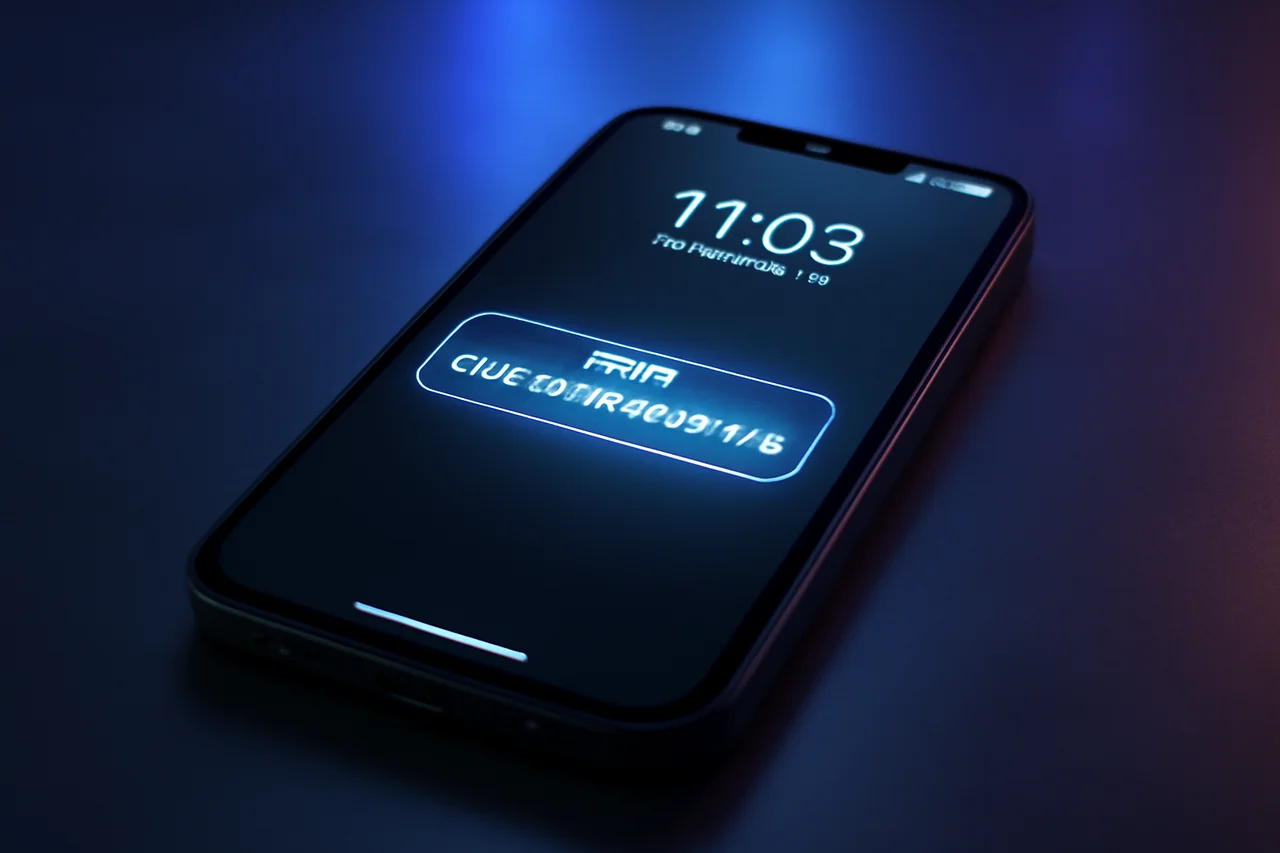
In a bid to bolster security and facilitate the recovery of lost or stolen devices, Google has rolled out a new Theft Protection tool for Android users. This feature, which is part of a recent update for devices running Android 12 or newer, allows users to access their phone's IMEI number directly from the lock screen. While this innovation aims to assist in verifying ownership, it also raises important security considerations for users. The IMEI, or International Mobile Equipment Identity, is a unique identifier assigned to every mobile device, making it a crucial element in the realm of device security.
What is the Theft Protection Tool?
The Theft Protection tool is designed to make it easier for individuals who find lost devices to confirm ownership. By displaying the IMEI number, a unique identifier for each smartphone, on the lock screen, the tool allows anyone who finds the phone to verify that it belongs to the rightful owner. This could potentially increase the chances of recovering a lost or stolen device. The tool is part of a broader trend in mobile technology aimed at enhancing user security and simplifying the recovery process for lost items.
How Does It Work?
Once the update is applied, users will find their phone’s IMEI number accessible in the emergency information section of the lock screen. This means that even if the device is locked, the IMEI can be viewed without needing to unlock the phone. The feature is designed to simplify the process for those who might come across a lost device, enabling them to contact the owner or return it to the appropriate authorities. By providing this information upfront, Google aims to create a more user-friendly experience for both device owners and those who may find lost devices.
Security Implications
While the Theft Protection tool offers benefits in terms of device recovery, it also introduces potential security risks. Revealing a device's IMEI number could expose users to threats such as cloning or unauthorized use of their device. The IMEI is a critical piece of information that can be exploited if it falls into the wrong hands. For instance, malicious actors could use the IMEI to create a duplicate device or gain unauthorized access to sensitive information. Therefore, users must weigh the benefits of increased recovery potential against the risks of exposing sensitive information. This highlights the importance of understanding the implications of security features in our increasingly connected world.
Opting Out of the Feature
Understanding the concerns surrounding security, Google has provided users with the option to opt out of the Theft Protection feature. Those who prefer to keep their IMEI number private can easily disable this option through their device settings. This flexibility allows users to tailor their security settings according to their preferences and comfort level. By giving users control over their information, Google acknowledges the diverse perspectives on privacy and security among its user base.
The Role of Android Updates
The introduction of the Theft Protection tool is part of Google’s ongoing efforts to enhance device security and recovery options. This update follows prior initiatives aimed at improving the overall safety of Android devices. By continually evolving its software, Google is responding to the growing need for effective security measures in an increasingly digital world. With each update, Google aims to address emerging threats and adapt to the changing landscape of mobile technology, ensuring that users can feel secure in their device usage.
Conclusion
The new Theft Protection tool reflects Google's commitment to improving user security on Android devices. By making IMEI numbers accessible from the lock screen, the company aims to assist in the recovery of lost phones. However, users must remain vigilant about the potential risks associated with exposing their IMEI numbers. As always, it is advisable for users to explore their device settings and make informed choices regarding their security preferences. In a world where mobile devices are integral to daily life, understanding and managing security features is essential for protecting personal information and ensuring peace of mind.
Key Highlights
- Google has introduced a Theft Protection tool for Android 12 and newer.
- The tool allows IMEI numbers to be accessed from the lock screen.
- It aims to facilitate the recovery of lost or stolen devices.
- Users can opt out of this feature through device settings.
- The IMEI is a unique identifier that can be exploited if exposed.
- This update is part of Google's ongoing efforts to enhance device security.
- The feature is accessible even when the device is locked.
Expert Analysis
Technical Analysis
The Theft Protection tool introduced by Google for Android devices leverages the IMEI (International Mobile Equipment Identity) number, a unique identifier for mobile devices, to enhance security and facilitate the recovery of lost or stolen phones. By displaying the IMEI on the lock screen, the tool allows individuals who find a lost device to verify ownership without needing to unlock the phone. This functionality is integrated into Android 12 and newer versions, showcasing Google's commitment to improving user security through software updates.
While the tool provides a straightforward method for confirming device ownership, it also raises significant security concerns. The IMEI number is sensitive information that, if accessed by malicious actors, could lead to device cloning or unauthorized use. Therefore, while the feature aims to simplify the recovery process, it necessitates a careful consideration of the trade-offs between enhanced recovery potential and the risks associated with exposing critical device information.
Advantages
- Facilitates the recovery of lost or stolen devices by allowing verification of ownership through the IMEI number.
- Increases user convenience by providing access to the IMEI number directly from the lock screen.
- Offers users the option to opt out, allowing for personalized security settings.
- Demonstrates Google's ongoing commitment to enhancing device security through regular software updates.
Disadvantages
- Revealing the IMEI number could expose users to risks such as cloning or unauthorized access to their devices.
- Potential for misuse of the IMEI number if it falls into the wrong hands.
Real-World Use Cases
- Individuals who lose their phones can increase the chances of recovery by allowing others to verify ownership via the IMEI number.
- Businesses can ensure that their employees' devices are more easily returned if lost, enhancing asset management.
- Law enforcement can utilize the IMEI information to assist in the recovery of stolen devices more effectively.
Business Impact
The introduction of the Theft Protection tool positions Google as a leader in mobile security, potentially increasing user trust and loyalty within the Android ecosystem. This move may prompt competitors to enhance their own security features, fostering a more secure environment across the industry. Additionally, as device theft remains a significant concern, this tool could open new revenue opportunities for Google through enhanced security services and features in future updates.
User Impact
Ordinary users stand to benefit significantly from the Theft Protection tool, as it provides a simple means to recover lost devices. However, users who prioritize privacy may be hesitant to expose their IMEI numbers, even with the option to opt out. It is crucial for users to understand the implications of this feature and make informed decisions regarding their device security.
Security & Privacy
While the Theft Protection tool enhances recovery options, it also raises privacy concerns due to the potential misuse of the IMEI number. Users must weigh the benefits of increased recovery potential against the risks of exposing sensitive information, highlighting the need for awareness regarding device security features.
Future Outlook
In the near term, we can expect Google to continue refining the Theft Protection tool based on user feedback and emerging security threats. Future updates may introduce additional features aimed at enhancing user privacy while maintaining recovery capabilities. As the mobile security landscape evolves, Google is likely to explore innovative solutions to balance convenience and safety for its users.
Expert Summary
The rollout of the Theft Protection tool is a significant step towards improving device security for Android users. Stakeholders in the mobile technology space, including users, developers, and businesses, should pay attention to this development as it reflects broader trends in security and privacy. Overall, this tool represents a thoughtful approach to enhancing user experience while addressing critical security concerns.
Originally reported by Android Authority.



