
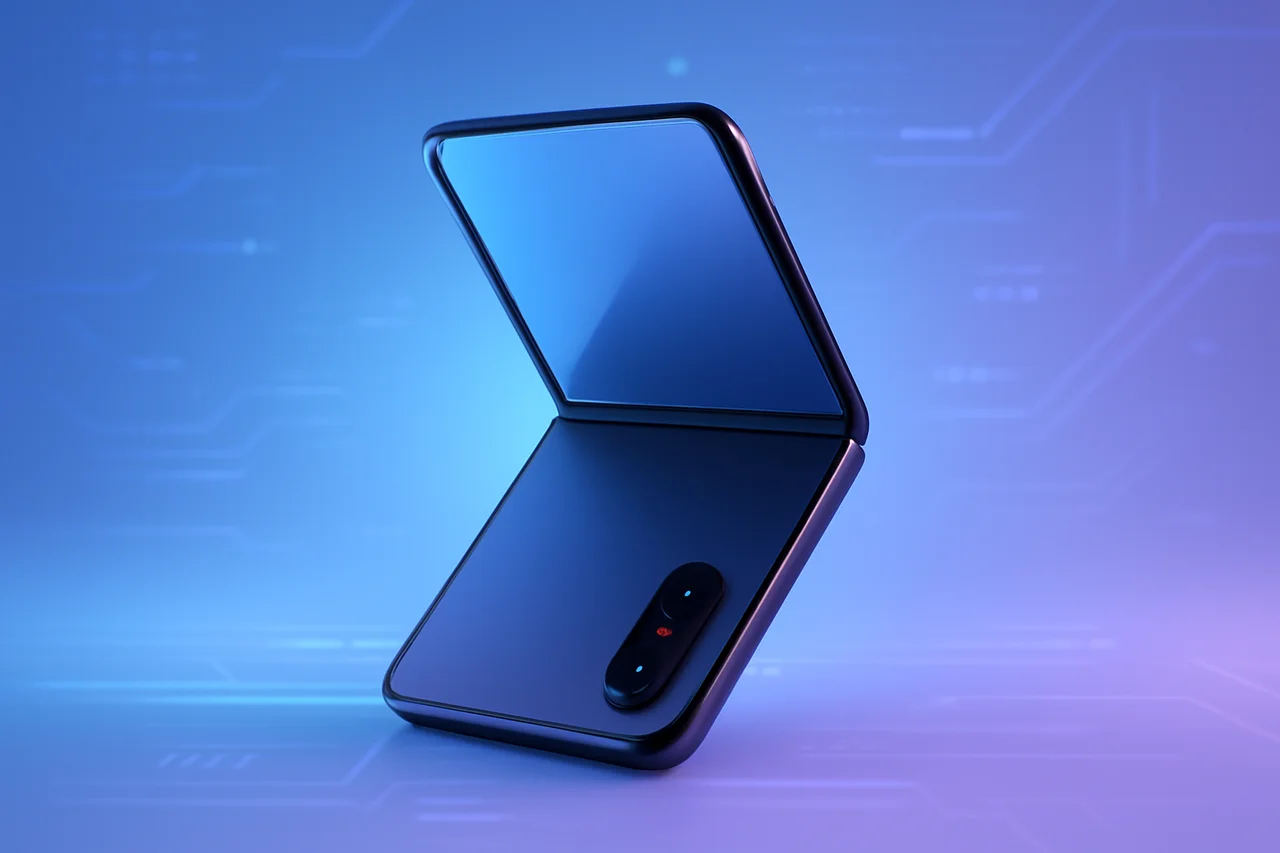
As the tech world eagerly anticipates the launch of Apple's first foldable iPhone on September 9, many consumers are caught up in the excitement surrounding this innovative device. For years, Android manufacturers have paved the way in the foldable phone market, but Apple’s entry is expected to generate significant interest, particularly among loyal iPhone users. However, potential buyers should be cautious, as this new device may not resolve several long-standing issues that have plagued existing Android foldable phones.
Understanding the Foldable Phone Landscape
The foldable phone market has seen considerable growth, with various Android OEMs introducing multiple models over the past few years. These devices have showcased the potential of foldable technology, but they have also revealed some persistent weaknesses. As Apple prepares to launch its foldable iPhone, it’s essential to understand the challenges that have affected its predecessors. The foldable phone segment has not only attracted tech enthusiasts but also sparked interest among mainstream consumers, leading to a growing market that Apple is now poised to enter.
Durability Concerns
One of the most significant issues with foldable phones is durability. The folding mechanism, while innovative, introduces potential points of failure. Many users have reported problems with hinge mechanisms and screen creases. Apple is known for its high-quality build materials, but it remains to be seen if the foldable iPhone can overcome the durability issues that have affected other brands. The durability of foldable devices has often been a deterrent for consumers, with many opting for traditional smartphones that offer more reliability. Apple’s reputation for quality will be put to the test as it seeks to reassure users that its foldable iPhone can withstand the rigors of daily use.
Software Optimization Challenges
Another major concern is software optimization. Foldable phones require specific software adaptations to make the most of their unique form factors. While Apple’s iOS is known for its seamless integration across devices, the company will need to ensure that the operating system is fully optimized for a foldable experience. If not, users may find themselves facing the same software hiccups that Android foldable users have encountered. The success of the foldable iPhone will heavily depend on how well Apple can adapt its software to leverage the benefits of the foldable design, such as multitasking capabilities and enhanced user interfaces that take advantage of the larger screen space when unfolded.
Battery Life Limitations
Battery life is a critical factor for any smartphone, but foldable devices often struggle in this area. The complexity of the folding design can lead to compromises in battery size and efficiency. Apple has a reputation for delivering solid battery performance, but the foldable iPhone may not be able to maintain this standard without sacrificing other features. Consumers have come to expect long-lasting battery life from their devices, and any shortcomings in this area could lead to dissatisfaction. As Apple navigates the challenges of integrating foldable technology, it will need to prioritize battery performance to meet user expectations.
Price Point Considerations
Price is always a crucial consideration for consumers, and foldable phones typically come with a premium price tag. As Apple gears up to release its foldable iPhone, potential buyers should be prepared for a high cost that may not be justified by the device's capabilities. The iPhone Ultra hype may draw consumers in, but they should weigh the price against the potential limitations of the foldable technology. Apple has historically positioned its products as premium offerings, and the foldable iPhone is likely to follow suit. This raises questions about whether the added cost will translate into value for consumers or if it will simply reflect the novelty of the foldable design.
Market Reception and Consumer Expectations
The anticipation surrounding the foldable iPhone is palpable, but consumer expectations may need to be tempered. While Apple has a loyal customer base eager for new innovations, the realities of foldable technology could lead to disappointment. It’s essential for consumers to approach the launch with realistic expectations, understanding that the device may not be the game-changer they hope for. The excitement surrounding the foldable iPhone could also overshadow the critical evaluation of its features and performance. As the market becomes saturated with foldable devices, Apple will need to differentiate its offering to capture consumer interest effectively.
Conclusion: Proceed with Caution
As Apple prepares to unveil its first foldable iPhone, the excitement is undeniable. However, potential buyers should remain cautious and informed about the challenges that this device may inherit from its Android predecessors. With issues surrounding durability, software optimization, battery life, pricing, and consumer expectations, the foldable iPhone may not solve the problems that have long plagued foldable phones. For those considering a purchase, it may be wise to wait for further reviews and user feedback before making a decision. Ultimately, while Apple's entry into the foldable market may signal a new era for smartphone design, consumers must weigh the potential benefits against the inherent risks of adopting this emerging technology.
Key Highlights
- Apple's foldable iPhone launches on September 9, drawing significant interest.
- Durability issues have historically plagued foldable phones, raising concerns.
- Software optimization is crucial for the success of foldable devices.
- Battery life limitations could affect the performance of Apple's foldable iPhone.
- Foldable phones typically come with a premium price tag that may deter buyers.
- Consumer expectations may need to be tempered despite the iPhone Ultra hype.
- Potential buyers should consider waiting for reviews before pre-ordering.
Expert Analysis
Technical Analysis
The foldable iPhone represents a significant advancement in smartphone technology, utilizing foldable display technology that allows for a larger screen area while maintaining a compact form factor. This technology works by employing flexible OLED panels and sophisticated hinge mechanisms that enable the device to fold without damaging the screen. However, this innovation also introduces challenges, particularly around durability and software optimization, which have been persistent issues in existing foldable devices from Android manufacturers. Apple's reputation for quality will be tested as it attempts to address these concerns while delivering a seamless user experience.
One of the primary problems that foldable phones aim to solve is the need for larger displays without increasing the overall size of the device. The foldable design allows for multitasking capabilities and enhanced user interfaces, which can significantly improve productivity. However, the limitations of current foldable technology, such as hinge durability, screen creases, and battery life, remain significant hurdles. Apple's approach will need to focus on overcoming these limitations to differentiate its foldable iPhone from competitors and ensure it meets consumer expectations.
Advantages
- Potential for a larger display area in a compact form factor.
- Apple's strong brand loyalty may drive initial sales.
- Seamless integration with Apple's ecosystem of devices.
- High-quality build materials expected from Apple.
Disadvantages
- Durability concerns related to hinge mechanisms and screen creases.
- Software optimization challenges that may lead to user frustration.
- Possible compromises in battery life due to the folding design.
- High price point that may not justify the device's capabilities.
Real-World Use Cases
- Consumers seeking a device that combines portability with a larger display for multitasking.
- Professionals who require enhanced productivity features on the go.
- Tech enthusiasts interested in the latest smartphone innovations.
- Loyal Apple users looking to upgrade to a new form factor.
Business Impact
Apple's entry into the foldable phone market is likely to shake up the competitive landscape, challenging existing Android OEMs who have dominated this segment. The anticipation surrounding the foldable iPhone could lead to increased market interest and potentially higher revenues for Apple, especially if the device successfully captures the attention of its loyal customer base. However, if the foldable iPhone fails to address the existing issues that have plagued foldable phones, it may hinder Apple's ability to capitalize on this emerging market.
User Impact
The launch of the foldable iPhone may benefit tech-savvy users and Apple loyalists who are eager for new innovations. However, ordinary consumers should approach the device with caution, as it may not resolve the longstanding issues associated with foldable technology. The high price point and potential limitations could lead to dissatisfaction if expectations are not met. Therefore, it may be wise for consumers to wait for reviews and real-world feedback before making a purchase decision.
Security & Privacy
Security and privacy analysis not applicable.
Future Outlook
In the near term, Apple will likely focus on addressing the durability and software optimization challenges that have affected previous foldable devices. As the foldable market continues to evolve, improvements in technology and user experience are expected, which may lead to more robust and reliable devices. If successful, the foldable iPhone could pave the way for future innovations in smartphone design and functionality.
Expert Summary
The anticipation surrounding Apple's foldable iPhone is significant, but potential buyers should remain cautious and informed about the challenges that this device may inherit from its predecessors. With issues surrounding durability, software optimization, battery life, and pricing, consumers must weigh the potential benefits against the risks of adopting this emerging technology. Stakeholders in the tech industry, including consumers and competitors, should closely monitor the performance and reception of the foldable iPhone as it could influence future trends in smartphone design.
Originally reported by Android Authority.



