
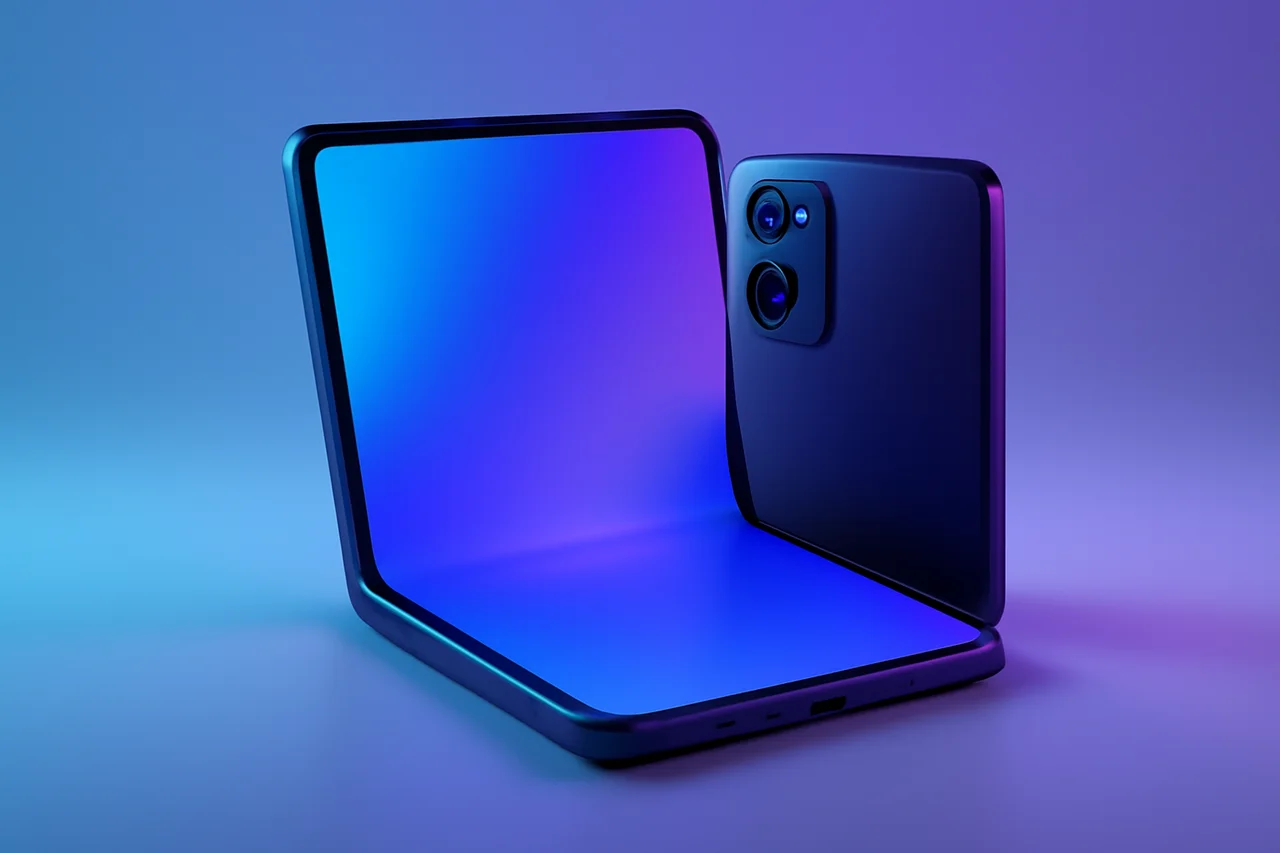
As the smartphone industry continues to evolve, Apple is poised to make a significant impact with the introduction of its first foldable iPhone. This launch marks a pivotal moment for the company, especially under the new leadership of CEO John Ternus. Scheduled for tomorrow, this event is not just about unveiling a new product; it signals Apple's ongoing influence in a competitive market that has been shaped significantly by the innovations of rivals like Samsung.
Apple's Entry into the Foldable Market
After years of speculation and anticipation, Apple is finally set to introduce its foldable iPhone, seven years after Samsung released the Galaxy Fold. This timing is crucial, as it highlights Apple's strategic entry into a market that has gained traction among consumers looking for versatile devices. Foldable technology has been on the rise, and Apple's participation could redefine user expectations and experiences. The foldable iPhone is expected to offer a unique blend of functionality and design, potentially incorporating features that leverage its flexible display in ways that enhance usability.
Leadership Under John Ternus
John Ternus has taken the reins as CEO at a time when the tech landscape is rapidly changing. His first major hardware launch reflects a commitment to innovation and responsiveness to market trends. Ternus inherits a company renowned for its ability to shape consumer technology, and the foldable iPhone could be a testament to his vision for the future of Apple. Under his leadership, Apple aims to not only catch up with competitors but also to set new standards in the smartphone market. Ternus's background in engineering and product design positions him well to lead this initiative, ensuring that the foldable iPhone embodies Apple's hallmark of quality and user-centric design.
Anticipation Surrounding the iPhone Event
The upcoming iPhone event is expected to differ from previous launches, not only due to the introduction of a foldable device but also because of the anticipated delays in the release of certain iPhone 18 models. Reports suggest that while the Pro versions will be available shortly after the event, the regular iPhone 18 may not launch until early next year. This staggered rollout could affect consumer expectations and sales strategies, creating a sense of urgency among early adopters eager to experience the latest technology. The anticipation surrounding the foldable iPhone may also overshadow the iPhone 18's launch, as consumers are keen to see how Apple’s innovation in foldable technology will differentiate it from the traditional smartphone offerings.
Competitive Landscape of Smartphones
With the foldable iPhone, Apple enters a competitive arena dominated by established players like Samsung. The Galaxy Fold has set a high bar for foldable devices, and many are eager to see how Apple's offering will compare. Samsung has spent years refining its foldable technology, and its experience in this domain presents a formidable challenge for Apple. The success of this launch could influence not only Apple's market position but also the direction of smartphone innovation in the coming years. If Apple successfully captures consumer interest with its foldable iPhone, it may prompt other manufacturers to accelerate their own foldable projects, potentially leading to a surge in innovation across the industry.
Consumer Expectations and Market Impact
As consumers await the unveiling of the foldable iPhone, expectations are high. Many are curious about how Apple will integrate foldable technology into its ecosystem and what unique features it will offer. The launch is likely to spark discussions about the future of smartphones and whether foldable devices will become mainstream or remain a niche segment. The foldable iPhone could introduce new use cases, such as enhanced multitasking capabilities and immersive media experiences, further enticing consumers who seek more from their devices. Additionally, the reception of the foldable iPhone may influence how other tech giants approach their own product development strategies, potentially leading to a shift in the types of devices that dominate the market.
Conclusion: A New Era for Apple
Tomorrow's launch of the foldable iPhone represents more than just a new product; it signals a new era for Apple under John Ternus. As the company seeks to maintain its influential position in the tech world, the success of this device could have far-reaching implications for the smartphone industry as a whole. With a legacy of innovation, Apple is once again poised to challenge the status quo. The foldable iPhone may not only redefine Apple's product lineup but could also reshape consumer expectations for smartphones, setting a new benchmark for functionality and design in the years to come.
Key Highlights
- Apple is set to launch its first foldable iPhone tomorrow.
- This launch occurs seven years after Samsung's Galaxy Fold was released.
- John Ternus is leading Apple as the new CEO during this significant launch.
- The iPhone event may feature delays in the release of some iPhone 18 models.
- The foldable iPhone could redefine consumer expectations in the smartphone market.
- Apple's entry into the foldable market highlights the competitive landscape.
- Many consumers are eager to see how Apple's foldable device compares to competitors.
Expert Analysis
Technical Analysis
The foldable iPhone represents a significant advancement in smartphone technology, utilizing foldable display technology to create a device that combines the functionality of a tablet with the portability of a traditional smartphone. This technology allows for a flexible screen that can be opened and closed, providing users with a larger display area without increasing the device's overall size. The foldable iPhone is expected to leverage this technology to enhance usability, potentially introducing new features that take advantage of the flexible display, such as improved multitasking capabilities and immersive media experiences.
What sets the foldable iPhone apart from existing devices, particularly the Samsung Galaxy Fold, is Apple's commitment to quality and user-centric design. Under the leadership of CEO John Ternus, who has a background in engineering and product design, the foldable iPhone is anticipated to embody Apple's high standards. However, there are limitations to consider, such as the durability of foldable screens and the potential for increased manufacturing costs, which could impact pricing and consumer adoption.
Advantages
- Offers a larger display in a compact form factor, enhancing user experience.
- Potential for improved multitasking capabilities, appealing to productivity-focused users.
- Aligns with consumer trends towards versatile and innovative devices.
- Strengthens Apple's position in a competitive smartphone market.
Disadvantages
- No major disadvantages reported yet.
Real-World Use Cases
- Individuals can use the foldable iPhone for enhanced media consumption, such as watching videos on a larger screen.
- Business professionals may benefit from improved multitasking features for productivity tasks.
- Developers can create applications that leverage the unique capabilities of a foldable display.
- Educational institutions could utilize the device for interactive learning experiences.
Business Impact
The launch of the foldable iPhone is poised to significantly impact the smartphone market, potentially reshaping consumer expectations and driving innovation across the industry. As Apple enters this competitive landscape, it may challenge established players like Samsung, prompting them to accelerate their own foldable initiatives. The success of the foldable iPhone could also open new revenue opportunities for Apple, reinforcing its position as a leader in technology and consumer electronics.
User Impact
Consumers stand to benefit greatly from the introduction of the foldable iPhone, as it promises to deliver a unique blend of functionality and design. Early adopters and tech enthusiasts are particularly likely to be interested in this innovation. However, ordinary users who prefer traditional smartphones may not find the foldable features compelling enough to warrant a switch. Overall, the foldable iPhone represents a significant evolution in smartphone technology that could be worth adopting for those seeking the latest advancements.
Security & Privacy
Security and privacy analysis not applicable.
How It Compares
- The foldable iPhone aims to compete directly with the Samsung Galaxy Fold, which has set a high standard for foldable devices.
- Apple's entry into the foldable market may prompt Samsung and other competitors to enhance their own offerings.
Future Outlook
In the near term, the foldable iPhone is expected to generate significant consumer interest and could lead to a shift in how smartphones are designed and utilized. As Apple continues to innovate, we may see further developments in foldable technology, including improvements in durability and functionality. The success of this device could also inspire other manufacturers to explore foldable designs, potentially leading to a broader acceptance of this technology in the mainstream market.
Expert Summary
The imminent launch of the foldable iPhone is a pivotal moment for Apple and the smartphone industry at large. As the company seeks to maintain its influential position under John Ternus, this device could redefine user expectations and set new standards for functionality and design. Stakeholders in the tech industry, including competitors and consumers, should closely monitor this development, as it may herald a new era of innovation in smartphones.
Originally reported by The Verge.



