
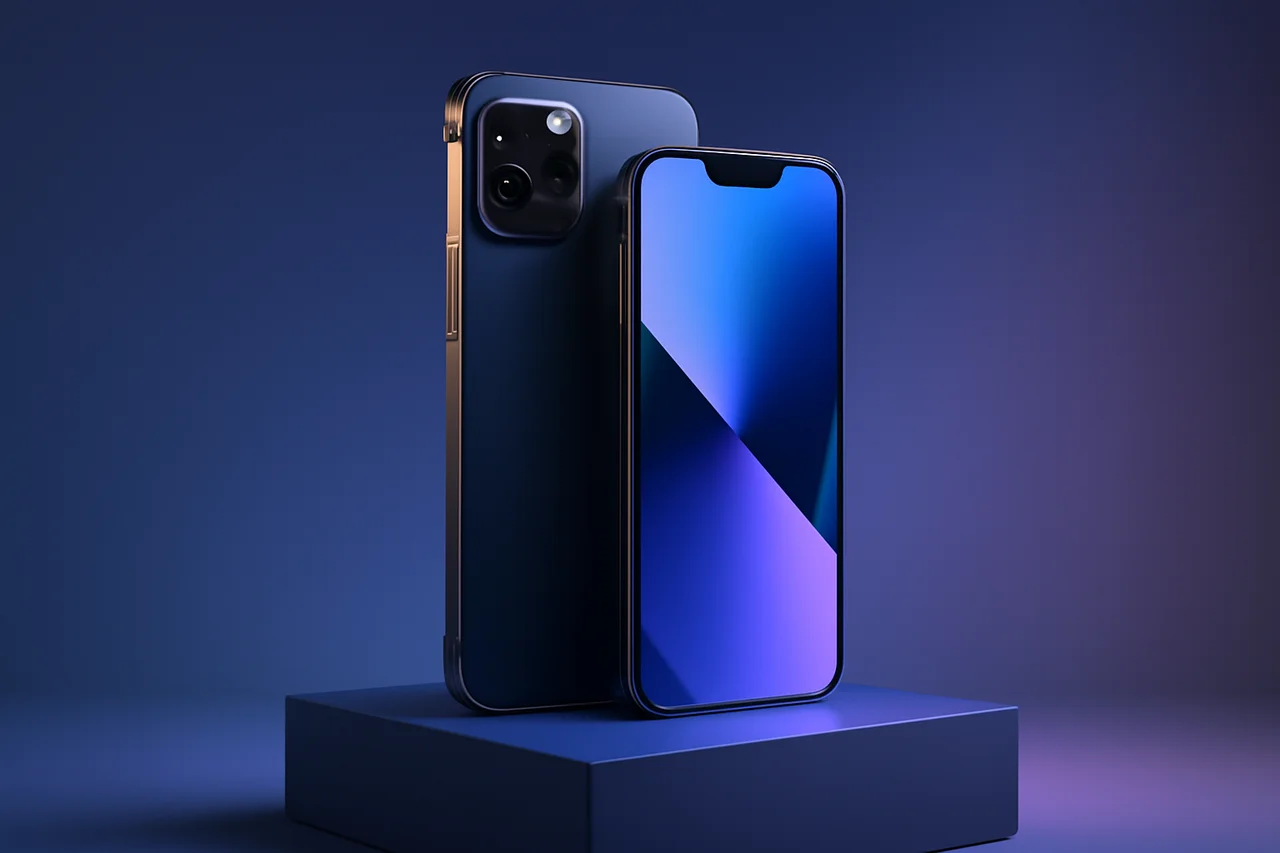
In a move that has left many budget-conscious consumers disappointed, Apple has announced that it will not be releasing a second generation of the iPhone Air this year. Instead, the tech giant is shifting its focus towards launching luxury iPhone models. This strategic decision is indicative of Apple's evolving approach to its product lineup, particularly in an era when consumers are increasingly seeking more affordable options.
Apple's Shift Toward Luxury Devices
The decision to forgo the iPhone Air 2 aligns with Apple's recent trend of prioritizing premium products over budget-friendly alternatives. The company has long been known for its high-end devices, but the absence of a new iPhone Air model suggests a significant pivot in its market strategy. By concentrating on luxury models, Apple appears to be catering to a demographic that is less sensitive to price, potentially alienating those who are looking for more economical choices.
This shift is not just a matter of product selection; it reflects a broader strategy that Apple has been adopting in recent years. The company has consistently introduced high-end features and exclusive technologies in its flagship models, creating a perception that premium pricing is synonymous with superior quality and innovation. As a result, Apple has cultivated a loyal customer base willing to pay a premium for the latest advancements, but this strategy may come at the cost of accessibility for average consumers.
Impact on Budget Shoppers
The lack of a new iPhone Air has sparked frustration among budget shoppers who were hoping for an affordable option in the iPhone lineup. Many consumers have come to rely on the iPhone Air as a more accessible entry point into the Apple ecosystem. With the current market trends favoring high-end devices, these shoppers may now feel left out, as they are faced with limited choices that fit their financial constraints. The absence of a budget model could also lead to a perception that Apple is no longer interested in catering to all segments of the market, which could erode brand loyalty among cost-conscious consumers.
Furthermore, the decision not to release a new iPhone Air could have implications for Apple's overall sales figures. The iPhone Air has historically appealed to a demographic that values functionality over luxury, and its absence might push these consumers towards competing brands that offer more affordable alternatives. This could result in a shift in market share, as consumers seek devices that meet their budgetary needs without sacrificing essential features.
Market Trends and Consumer Behavior
As the smartphone market evolves, consumer preferences are also changing. There is a growing demand for budget-friendly smartphones, especially among younger consumers and those in emerging markets. Apple's decision to focus solely on luxury models may reflect a broader trend in the tech industry, where high-end devices are increasingly dominating sales. However, this could also lead to a potential gap in the market, as competitors may seize the opportunity to offer more affordable alternatives.
Brands that focus on delivering value for money are likely to attract consumers who are looking for reliable devices without the hefty price tag associated with luxury models. This trend is particularly evident in markets where economic constraints are prevalent, and consumers prioritize functionality and price over brand prestige. As competitors ramp up their efforts to capture this segment, Apple may find itself at a disadvantage if it continues to overlook the importance of budget-friendly options.
Apple's Long-Term Strategy
Apple's strategic shift raises questions about its long-term vision for the iPhone brand. While focusing on luxury models may yield higher profit margins, it could also limit the company's appeal to a broader audience. The decision not to launch a second generation of the iPhone Air could be a calculated risk, as Apple may believe that the luxury market will continue to thrive. However, this approach may alienate a segment of its customer base that values affordability.
Moreover, as the smartphone landscape becomes increasingly competitive, Apple must navigate the fine line between maintaining its premium brand image and addressing the needs of a diverse consumer base. The tech giant's ability to innovate and differentiate its products will be crucial in retaining its market position. If Apple fails to provide options for budget-conscious consumers, it risks losing relevance in a rapidly changing market.
Consumer Reactions and Future Outlook
Reactions from consumers have been mixed, with many expressing disappointment over the absence of a new iPhone Air. Social media platforms have seen a flurry of comments from potential buyers lamenting the missed opportunity for a budget-friendly device. Many users have taken to forums and discussion boards to voice their concerns, emphasizing the importance of having affordable options within the Apple ecosystem.
Looking ahead, it remains to be seen how this strategy will affect Apple's sales and market share, particularly as competitors continue to introduce affordable smartphones. The growing popularity of budget devices may compel Apple to reconsider its approach in the future. If competitors successfully capture the budget-conscious segment, Apple may find itself in a position where it must adapt its strategy to regain lost ground.
Conclusion
In summary, Apple's decision to forgo the release of a second generation iPhone Air in favor of luxury models marks a significant shift in its product strategy. While this move may cater to high-end consumers, it leaves budget shoppers without new options in the iPhone lineup. As the tech landscape continues to evolve, Apple will need to balance its focus on luxury devices with the growing demand for affordability among consumers. The challenge ahead will be to innovate while remaining accessible, ensuring that it does not alienate a substantial portion of its customer base in the process.
Key Highlights
- Apple will not release a second generation of the iPhone Air this year.
- The company is focusing solely on luxury iPhone models.
- This decision has disappointed budget-conscious consumers.
- The shift indicates a change in Apple's market strategy.
- Apple's focus on high-end devices may alienate some shoppers.
- Consumer demand for budget-friendly smartphones is increasing.
- Apple's long-term vision for the iPhone brand is under scrutiny.
- Reactions from consumers have been largely negative regarding the lack of options.
Expert Analysis
Technical Analysis
The decision by Apple to skip the iPhone Air 2 release indicates a strategic pivot towards luxury models, which involves a focus on high-end features and exclusive technologies. This approach aligns with Apple's historical emphasis on premium products, suggesting that the company is prioritizing profit margins over catering to budget-conscious consumers. The technology involved in luxury models typically includes advanced hardware, software enhancements, and exclusive features that are not present in budget devices, which can create a perception of superior quality and innovation.
However, this strategy also presents limitations. By not offering a budget-friendly option like the iPhone Air, Apple risks alienating a significant segment of the market that values functionality and affordability. The absence of a new iPhone Air model could lead to a perception that Apple is no longer interested in catering to all consumer demographics, potentially eroding brand loyalty among cost-sensitive shoppers. As competitors increasingly focus on delivering value for money, Apple's decision may limit its market share in the budget segment, which is critical as consumer preferences shift towards more affordable options.
Advantages
- Focus on high-end features and exclusive technologies in luxury models.
- Potential for higher profit margins due to premium pricing.
- Cultivation of a loyal customer base willing to pay for superior quality.
- Alignment with market trends favoring high-end devices.
Disadvantages
- No major disadvantages reported yet.
Real-World Use Cases
- Consumers seeking the latest technology and premium features may benefit from the luxury models.
- High-income individuals looking for exclusive devices that reflect their status.
- Tech enthusiasts who prioritize advanced features over budget constraints.
Business Impact
Apple's strategic shift towards luxury models may enhance its profit margins but could also lead to a decline in market share among budget-conscious consumers. As competitors introduce more affordable alternatives, Apple may face challenges in retaining its customer base, particularly among those who have relied on budget options like the iPhone Air. This could create opportunities for rival brands to capture a larger segment of the market, potentially impacting Apple's overall sales figures and brand perception.
The focus on luxury devices may also reshape the competitive landscape, as brands that prioritize value for money could attract consumers who are increasingly seeking reliable devices without the premium price tag. This shift could lead to a more fragmented market, with Apple needing to navigate its position carefully to maintain its dominance in the smartphone industry.
User Impact
Ordinary users, particularly those who are budget-conscious, may feel disappointed by Apple's decision not to release a new iPhone Air. This shift could limit their options within the Apple ecosystem, making it more challenging for them to access the brand's offerings without incurring high costs. As a result, these consumers may explore alternatives from competitors that provide more affordable devices with essential features.
While high-end consumers may benefit from the luxury models, the lack of budget options could alienate a significant portion of Apple's customer base. For many users, the absence of a budget-friendly device means they must either compromise on their brand preference or seek alternatives that better align with their financial constraints.
Security & Privacy
Security and privacy analysis not applicable.
Future Outlook
In the near term, Apple may need to closely monitor consumer reactions and market trends as competitors ramp up their offerings in the budget segment. If the demand for affordable smartphones continues to grow, Apple might be compelled to reconsider its strategy and potentially introduce budget-friendly options in the future. This could involve re-evaluating its product lineup to ensure it meets the diverse needs of its customer base while maintaining its premium brand image.
As the smartphone market evolves, Apple will have to balance its focus on luxury devices with the increasing demand for affordability. The company's ability to innovate and differentiate its products will be crucial in retaining its market position and addressing the needs of a broader audience.
Expert Summary
Apple's decision to forgo the iPhone Air 2 in favor of luxury models marks a significant shift in its product strategy that could have lasting implications for its market position. Stakeholders, including consumers, competitors, and industry analysts, should pay attention to how this decision impacts Apple's sales and brand loyalty among budget-conscious shoppers. Overall, while the focus on luxury may yield short-term gains, it poses risks of alienating a substantial segment of the market that values affordability and functionality.
Originally reported by News – CNET.



