
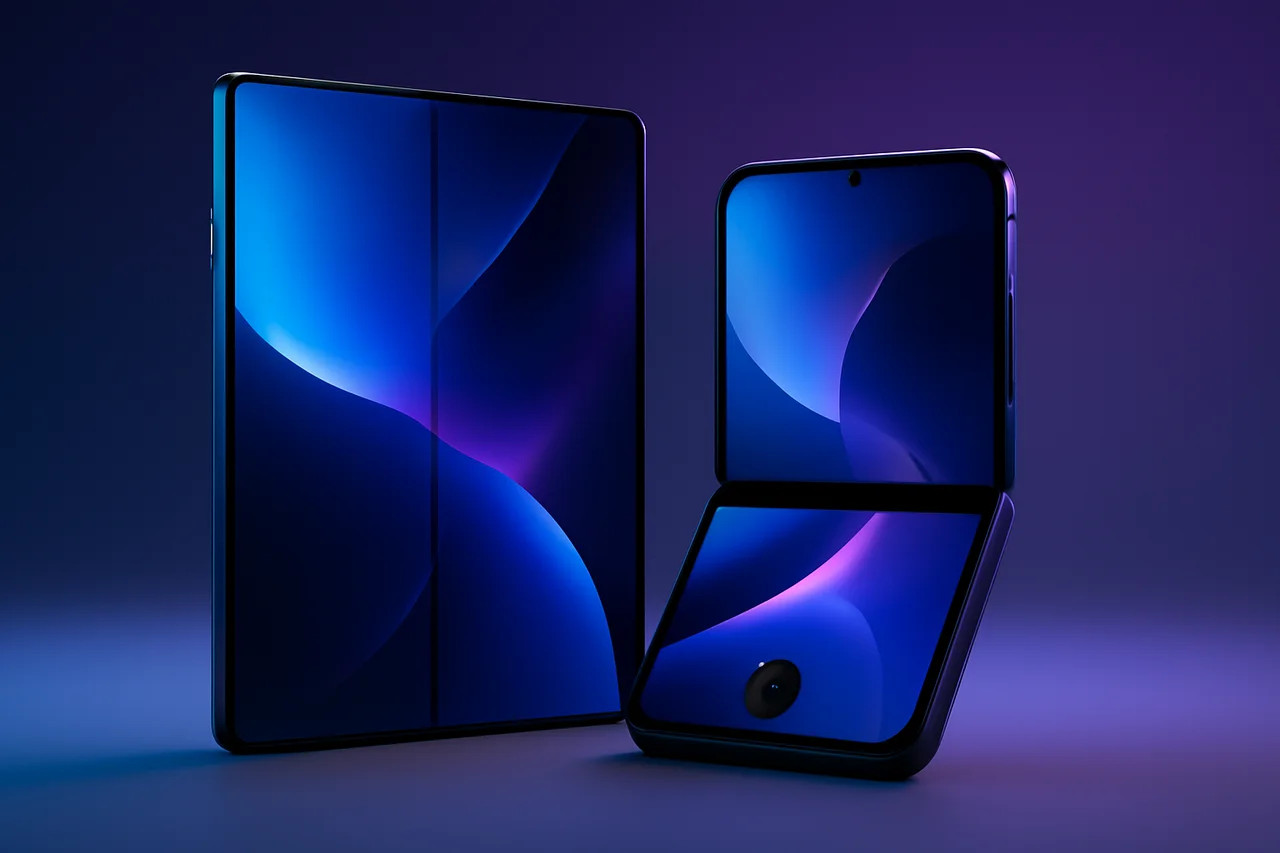
The smartphone industry has seen a significant shift towards foldable technology, offering users innovative designs and enhanced functionality. In 2026, two notable contenders in this space are the Samsung Galaxy Z Fold 8 and a new Motorola foldable device. Both smartphones cater to different user preferences, making it essential to understand their features and drawbacks before making a purchase.
Galaxy Z Fold 8: A Premium Experience
The Galaxy Z Fold 8 stands out with its impressive specifications and premium build quality. Priced at $1,900, this device is designed for users who seek a top-tier experience in multitasking and content consumption. The wider cover screen allows for easier navigation, while the landscape-dominant inner display enhances viewing for videos and games. This design not only provides a visually appealing interface but also maximizes the usability of the device, allowing users to immerse themselves in their favorite content.
Camera Quality: A Potential Drawback
Despite its premium features, the Galaxy Z Fold 8 does have limitations, particularly regarding its camera capabilities. While it offers decent performance, the cameras do not meet the expectations set by flagship devices in the market. For photography enthusiasts or those who prioritize camera quality, this could be a significant drawback. Users may find themselves longing for the advanced photography features that are typically found in other high-end smartphones, which could lead to disappointment for those who wish to capture high-quality images and videos.
Form Factor Considerations
Another aspect to consider is the form factor of the Galaxy Z Fold 8. Its unique design may not appeal to everyone, especially those who prefer a more traditional smartphone shape. The foldable design, while innovative, requires users to adapt to a new way of handling their devices. Users should evaluate whether the foldable design aligns with their daily needs and preferences. For instance, those who frequently use their phones with one hand may find the bulkiness of the Z Fold 8 cumbersome compared to slimmer, traditional smartphones.
Motorola's Foldable: A Cost-Effective Alternative
For consumers looking for a more budget-friendly option, Motorola's foldable smartphone presents itself as an ideal alternative. While it doesn't carry the same premium price tag as the Galaxy Z Fold 8, it still offers many features that appeal to users who enjoy a foldable experience. The book-style design is reminiscent of traditional smartphones, making it a comfortable choice for many. Additionally, this device may attract users who are new to foldable technology and are hesitant to invest heavily in their first foldable smartphone.
Multitasking and Content Consumption
Both devices excel in multitasking capabilities, but the Galaxy Z Fold 8 is particularly optimized for this function. Its larger displays allow users to run multiple apps simultaneously, making it a great choice for professionals or anyone who relies on their phone for productivity. The ability to have a video call while reviewing documents or browsing the web is a game changer for many users. In contrast, the Motorola foldable, while functional, may not offer the same level of multitasking efficiency, potentially limiting its appeal to power users who demand high performance from their devices.
Making the Right Choice for You
Ultimately, the decision between the Galaxy Z Fold 8 and Motorola's foldable smartphone hinges on individual needs and preferences. Consider factors such as budget, desired features, and how you plan to use the device. While the Galaxy Z Fold 8 provides a premium experience, the Motorola foldable offers a more accessible entry point into the world of foldable smartphones. Users should also consider their lifestyle and how a foldable device will fit into their daily routines, as these factors can greatly influence satisfaction with the device.
Conclusion
As foldable smartphones continue to evolve, consumers are presented with exciting options that cater to varied preferences. Whether you opt for the high-end Galaxy Z Fold 8 or the more affordable Motorola alternative, understanding the strengths and weaknesses of each device will help you make an informed decision. Always remember to assess your personal requirements before investing in a new smartphone. The future of mobile technology is undoubtedly foldable, and choosing the right device will ensure that you are well-equipped to embrace this new era of smartphones.
Key Highlights
- The Galaxy Z Fold 8 offers a premium experience with a price tag of $1,900.
- Its wider cover screen and landscape inner display enhance multitasking capabilities.
- Camera quality on the Galaxy Z Fold 8 may not meet flagship standards.
- The unique form factor of the Z Fold 8 may not suit all users.
- Motorola's foldable smartphone provides a more affordable alternative.
- Both devices excel in multitasking, but the Z Fold 8 is more optimized.
- Choosing the right foldable phone depends on personal preferences and needs.
Expert Analysis
Technical Analysis
The Galaxy Z Fold 8 and Motorola's foldable smartphone utilize advanced foldable display technology, allowing for innovative designs that enhance user interaction and functionality. The Z Fold 8 features a wider cover screen and a landscape-oriented inner display, which are optimized for multitasking and content consumption. This design facilitates simultaneous app usage, making it particularly appealing for professionals or users who require high productivity from their devices. The foldable technology not only provides a unique form factor but also addresses the growing demand for larger screens in a compact form, solving the problem of limited screen real estate in traditional smartphones.
However, the Z Fold 8 does have limitations, particularly in camera quality, which does not meet the standards of flagship devices. This suggests that while the device excels in multitasking and display capabilities, it may not fully satisfy users who prioritize photography. Additionally, the foldable form factor may not appeal to everyone, as it requires a shift in user habits and preferences. The bulkiness of the device compared to traditional smartphones could deter users who favor a more streamlined design, highlighting the need for manufacturers to balance innovation with user comfort and usability.
Advantages
- Premium build quality and specifications enhance user experience.
- Wider cover screen and landscape-dominant inner display improve navigation and content consumption.
- Optimized for multitasking, allowing users to run multiple apps simultaneously.
- The Motorola foldable offers a cost-effective alternative for budget-conscious consumers.
Disadvantages
- Camera quality does not meet flagship expectations, which may disappoint photography enthusiasts.
- The unique form factor may not appeal to all users, particularly those who prefer traditional smartphone designs.
Real-World Use Cases
- Professionals who need to multitask effectively can benefit from the Z Fold 8's larger displays.
- Content creators and consumers can enjoy immersive viewing experiences on the landscape-oriented inner display.
- Users new to foldable technology may find the Motorola foldable a comfortable entry point.
- Individuals who frequently handle their phones with one hand may prefer traditional smartphones over the bulkier Z Fold 8.
Business Impact
The introduction of the Galaxy Z Fold 8 and Motorola's foldable smartphone signifies a competitive push in the foldable market, with both devices catering to different consumer segments. Samsung's premium offering may reinforce its position as a leader in the foldable space, while Motorola's more affordable option could attract a broader audience, potentially increasing market share for foldable devices. This shift may encourage other manufacturers to innovate in this segment, leading to a more diverse range of products and revenue opportunities in the foldable smartphone industry.
User Impact
Consumers stand to benefit from the advancements in foldable technology, as these devices offer enhanced functionality and versatility. The Galaxy Z Fold 8 is particularly suited for users who prioritize multitasking and content consumption, while the Motorola foldable provides a more accessible option for those hesitant to invest heavily in foldable technology. Ordinary users should consider their specific needs and preferences, as the choice between these devices could significantly affect their daily smartphone experience.
Security & Privacy
Security and privacy analysis not applicable.
Future Outlook
As the foldable smartphone market continues to evolve, we can expect further enhancements in display technology, durability, and user experience. Future iterations may address current limitations, such as camera quality and bulkiness, making foldable devices more appealing to a wider audience. Additionally, as more manufacturers enter the foldable space, competition may drive innovation and lower prices, making these devices more accessible to consumers.
Expert Summary
The ongoing evolution of foldable smartphones, exemplified by the Galaxy Z Fold 8 and Motorola's alternative, represents a significant shift in mobile technology. Consumers should pay attention to how these devices cater to different needs and preferences, as understanding their strengths and weaknesses will be crucial for making informed purchasing decisions. Overall, the advancements in foldable technology signal a promising future for mobile devices, and both consumers and businesses should consider how these innovations can enhance their daily interactions with technology.
Originally reported by Android Authority.



