
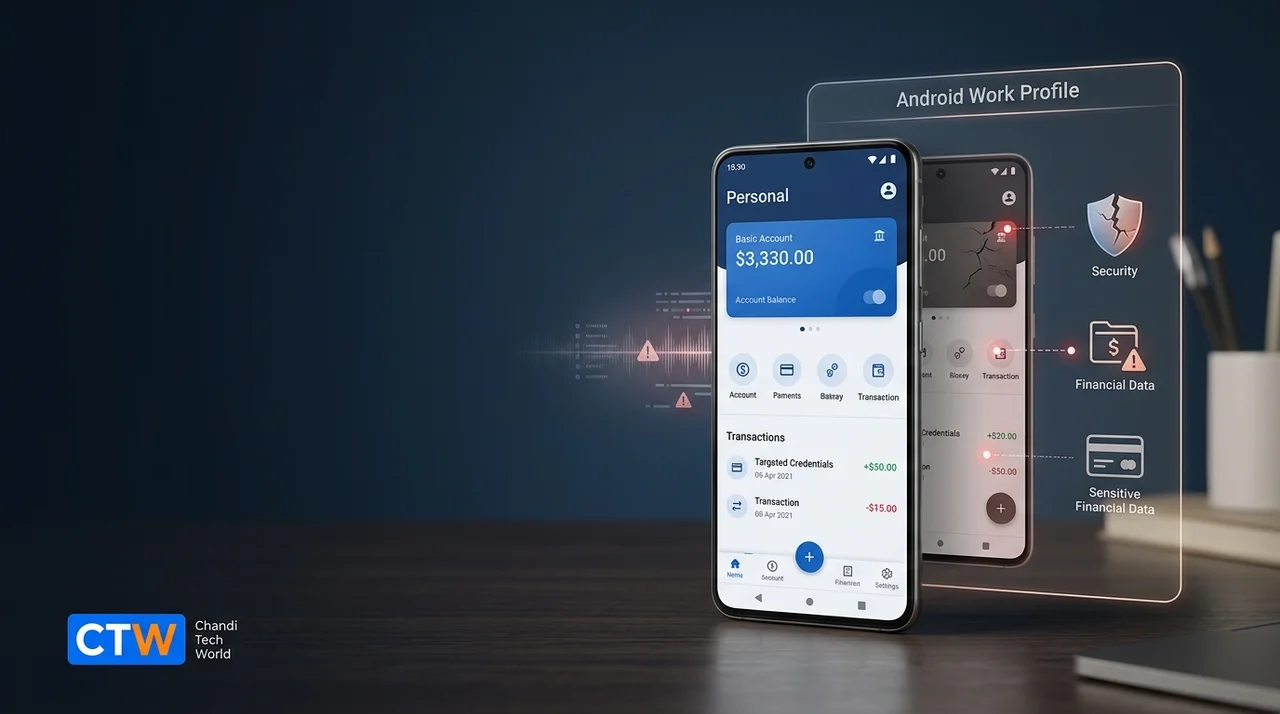
The realm of cybersecurity is continuously evolving, with malicious actors constantly adapting their tactics to evade detection. A recent report by security firm Group-IB has shed light on a disturbing trend in malware targeting banking applications. The Gigabud banking trojan has taken a significant leap in sophistication, now utilizing Android's work profile feature to conceal its malicious activities.
Understanding the Gigabud Trojan
The Gigabud banking trojan has been a notable player in the malware landscape, particularly focusing on banking applications. Its latest evolution involves the installation of a second Android app that creates a work profile on compromised devices. This work profile is an isolated environment typically meant for corporate applications, allowing users to keep work-related apps separate from personal ones. The ability to create a work profile is a feature designed to enhance security in corporate settings, but it has now been weaponized by cybercriminals.
The Mechanics of the Work Profile
In Android, a work profile provides a secure space where apps and data can be managed independently from personal apps. This separation is designed to enhance security for corporate environments, but it has now been exploited by the Gigabud trojan. By placing a tampered banking app within this work profile, the malware operates under the radar, avoiding detection by both users and security mechanisms. This tactic not only allows the trojan to bypass traditional security measures but also leverages the trust users have in the Android operating system's built-in security features.
Implications for Users
The implications of this development are significant for Android users, particularly those who frequently use banking applications. As the trojan can effectively hide its activities, users may remain oblivious to the presence of malicious software on their devices. This poses a serious risk, as it could lead to unauthorized access to sensitive banking information and financial losses. Furthermore, the stealthy nature of the Gigabud trojan means that users may not notice any unusual behavior until it is too late, making early detection and prevention critical.
Increased Sophistication of Malware
The evolution of the Gigabud trojan is indicative of a broader trend in the cybersecurity landscape. Malware is becoming increasingly sophisticated, employing advanced tactics to bypass security measures. The use of Android’s work profile feature exemplifies how cybercriminals are leveraging legitimate system functionalities to further their malicious agendas. This trend raises alarms about the future of mobile security, as it suggests that attackers will continue to innovate and find new ways to exploit existing technologies.
What Can Be Done?
To safeguard against threats like the Gigabud trojan, users are advised to take proactive measures. Here are some recommendations:
- Keep Software Updated: Regularly update your Android operating system and applications to patch vulnerabilities. Software updates often include security fixes that can protect against newly discovered threats.
- Use Reputable Security Software: Install trusted antivirus and anti-malware applications to help detect and remove threats. Look for security solutions that specifically mention protection against banking trojans.
- Be Cautious with App Permissions: Review the permissions requested by apps, especially those related to banking. Be wary of apps that request excessive permissions that are not necessary for their functionality.
- Educate Yourself: Stay informed about the latest malware trends and tactics to recognize potential threats. Awareness is a powerful tool in preventing malware infections.
The Role of Security Firms
Security firms like Group-IB play a crucial role in identifying and reporting on emerging malware threats. Their research not only helps in understanding the evolving tactics of cybercriminals but also aids in developing countermeasures to protect users. By analyzing malware behavior and trends, these firms contribute valuable insights that can inform both users and developers on how to fortify defenses against such threats. As malware continues to evolve, the collaboration between security researchers and the public will be essential in combating these threats.
Conclusion
The Gigabud banking trojan's use of Android work profiles represents a concerning advancement in malware capabilities. As users become increasingly reliant on mobile banking, the need for robust security measures has never been more critical. By remaining vigilant and informed, users can better protect themselves against the evolving landscape of cyber threats. The Gigabud trojan serves as a stark reminder of the importance of cybersecurity awareness and the need for continuous adaptation in security practices to keep pace with the ever-changing tactics of cybercriminals.
Key Highlights
- Gigabud banking trojan has evolved to use Android work profiles.
- The trojan installs a second app that creates a work profile on infected devices.
- This work profile allows the malware to hide tampered banking apps.
- Users may be unaware of the malicious software on their phones.
- The development highlights a trend of increasing malware sophistication.
- Security measures are necessary to protect against such threats.
- Group-IB's report emphasizes the importance of cybersecurity awareness.
Expert Analysis
Technical Analysis
The Gigabud Trojan represents a sophisticated form of malware that specifically targets banking applications on Android devices. It utilizes the Android work profile feature, which is designed to create a secure and isolated environment for corporate applications. This feature, intended to enhance security by separating work-related apps from personal ones, has been weaponized by the Gigabud Trojan to conceal its malicious activities. By installing a second app within this work profile, the Trojan can operate undetected, effectively bypassing traditional security measures and leveraging the inherent trust users place in the Android operating system's security functionalities.
This development underscores a significant challenge in mobile security, as it highlights how cybercriminals are adapting legitimate system features for malicious purposes. The Gigabud Trojan's ability to hide within an isolated work profile not only complicates detection efforts but also poses a serious risk to users' sensitive banking information. The increasing sophistication of malware like Gigabud suggests that attackers will continue to innovate, making it imperative for both users and security professionals to remain vigilant and proactive in their defense strategies.
Advantages
- Utilizes Android's work profile feature to conceal malicious activities, making detection more difficult.
- Bypassing traditional security measures enhances the Trojan's effectiveness.
- Targets a widely used platform (Android), increasing its potential impact.
- Exploits user trust in built-in security features of the Android operating system.
Disadvantages
- No major disadvantages reported yet.
Real-World Use Cases
- Individuals using banking applications on Android devices can be targeted, leading to potential financial losses.
- Businesses that implement Android work profiles may inadvertently expose sensitive data to malware.
- Security firms can analyze the Gigabud Trojan's behavior to develop better detection and prevention tools.
- Developers can enhance their applications' security by understanding and mitigating risks associated with work profiles.
Business Impact
The emergence of the Gigabud Trojan indicates a growing threat in the cybersecurity landscape, particularly for financial institutions and mobile banking services. As malware becomes more sophisticated, companies may need to invest more in advanced security measures to protect their customers' data. This situation could lead to increased demand for cybersecurity solutions and services, creating new revenue opportunities for security firms. Additionally, competitors in the banking sector may need to enhance their security protocols to maintain user trust and prevent potential financial losses due to breaches.
User Impact
Ordinary users of Android devices, especially those who frequently engage in mobile banking, are at significant risk due to the stealthy nature of the Gigabud Trojan. Users may remain unaware of the malware's presence until it is too late, highlighting the importance of cybersecurity awareness and proactive measures. While some users may not be directly affected if they practice good security hygiene, the potential for widespread financial loss makes it crucial for all users to adopt recommended safety practices.
Security & Privacy
The use of the Android work profile feature by the Gigabud Trojan raises significant concerns regarding data privacy and security. As the malware can operate undetected within this isolated environment, it poses a risk of unauthorized access to sensitive banking information. Users may not be aware of the vulnerabilities introduced by such malware, emphasizing the need for heightened awareness and robust security measures.
Future Outlook
In the near term, we can expect an increase in malware that exploits legitimate features of operating systems, as cybercriminals continue to innovate their tactics. The evolution of threats like the Gigabud Trojan may prompt Android developers and security firms to enhance their defenses and detection capabilities. Additionally, as mobile banking becomes more prevalent, there may be a push for stronger regulatory measures to protect users from such advanced threats.
Expert Summary
The Gigabud Trojan's exploitation of Android's work profile feature is a significant development in the realm of cybersecurity, highlighting the need for users and businesses to remain vigilant against evolving threats. As malware becomes more sophisticated, both individuals and organizations must prioritize cybersecurity awareness and adopt proactive measures to safeguard sensitive information. This news serves as a crucial reminder for all stakeholders in the digital ecosystem to stay informed and prepared against potential cyber threats.
Originally reported by The Hacker News.



