
Motion sickness can be a debilitating experience for many individuals, especially during travel. For those who frequently find themselves feeling unwell in vehicles, Google has introduced an innovative solution for Pixel phone users: the Motion Assist feature. This new addition aims to alleviate the discomfort associated with motion sickness by leveraging the technology embedded in the Pixel devices.
Understanding Motion Sickness
Motion sickness occurs when there is a disconnect between what your eyes see and what your inner ear senses. This can lead to symptoms such as dizziness, nausea, and sweating. It commonly affects individuals while traveling in cars, planes, or boats. With the rise of mobile technology and usage during travel, addressing motion sickness through smartphone features has become increasingly relevant.
As more people engage with their devices while on the move—whether they are reading, watching videos, or navigating—understanding and mitigating motion sickness has become a priority. The symptoms can vary in severity, and for some, even short trips can trigger discomfort. This has led to a demand for solutions that can help travelers manage these symptoms effectively.
Introducing Motion Assist
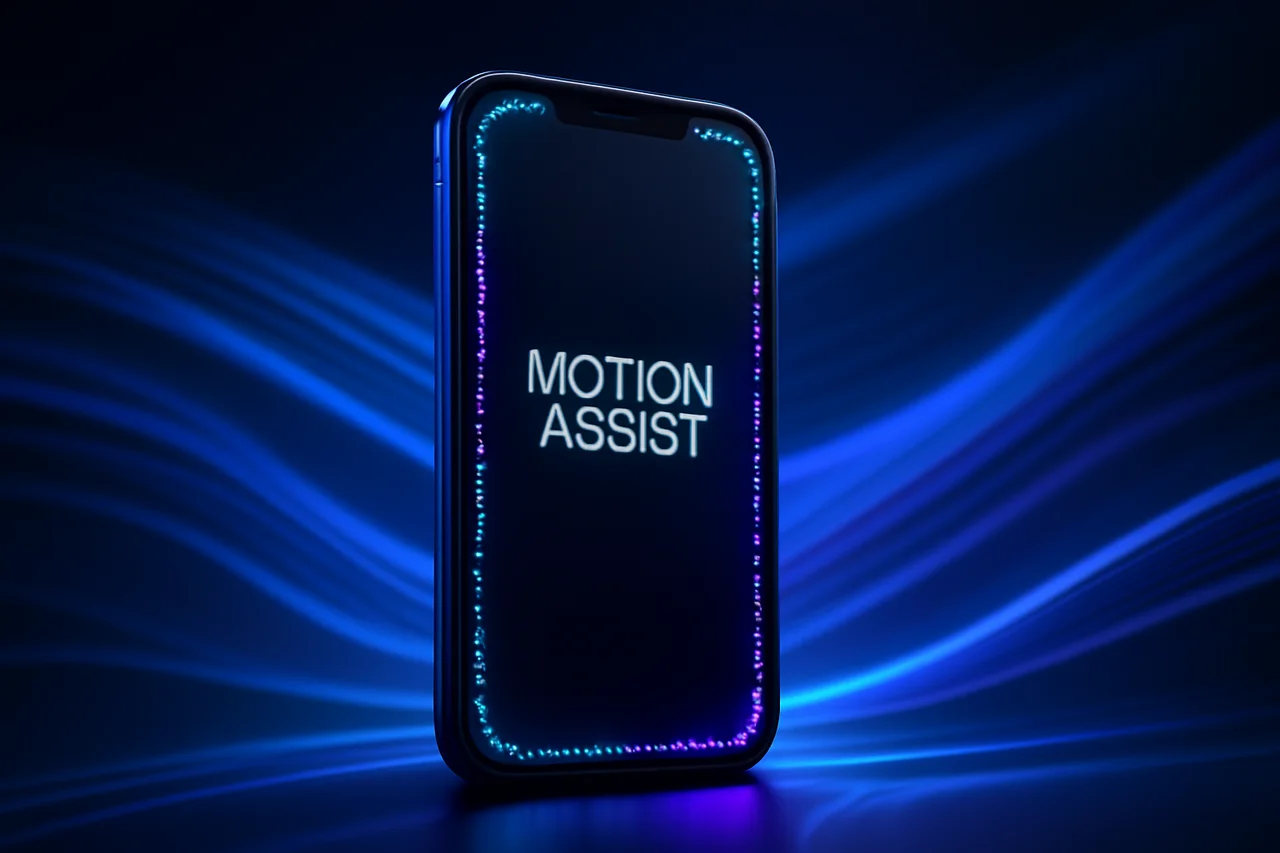
Google's Motion Assist feature is designed to help mitigate the effects of motion sickness for Pixel phone users. By utilizing the device's built-in gyroscope and accelerometer, Motion Assist creates a visual aid that responds to the phone's movements. Small dots appear around the edge of the screen, moving in sync with the phone's orientation, providing a stabilizing visual reference for users.
This feature not only demonstrates Google's commitment to enhancing user experience but also showcases the potential of smartphone technology in addressing real-world problems. By integrating motion-sensing capabilities directly into the device's operating system, Google is setting a precedent for how mobile technology can evolve to meet user needs.
How It Works
When users are in motion, such as when riding in a car, the Motion Assist feature activates the dots around the screen. These dots mimic the movements of the vehicle, which can help the brain reconcile the conflicting signals that often lead to motion sickness. By providing a consistent visual element that aligns with the user's physical movements, the feature aims to reduce feelings of nausea and discomfort.
The science behind this is rooted in the principles of sensory integration. When the visual input from the phone aligns with the physical sensations of movement, it can help the brain process information more effectively, thereby reducing the likelihood of experiencing motion sickness. This innovative approach is a testament to how technology can be harnessed to improve everyday experiences.
User Experience and Benefits
The introduction of Motion Assist is a thoughtful enhancement to the user experience for Pixel phone owners. It allows users to remain connected to their devices while addressing a common issue that many face during travel. Users can benefit from this feature without needing to download additional applications or make complex adjustments to their settings. Simply having a Pixel phone with the latest software updates enables access to this useful tool.
Moreover, the ease of use associated with Motion Assist is a significant advantage. Users do not have to navigate through complicated menus or settings to activate the feature. This simplicity is crucial, especially in situations where a user may already be feeling unwell. The seamless integration of Motion Assist into the existing Pixel ecosystem enhances the overall value of the device.
Potential Impact on Travelers
For frequent travelers, especially those who struggle with motion sickness, the Motion Assist feature could significantly improve their experience. Whether commuting to work or embarking on longer journeys, having a tool that helps manage motion sickness can enhance comfort and reduce anxiety associated with travel. This feature adds value to the Pixel phone, making it a more appealing option for those who prioritize user-friendly technology.
In an age where travel is becoming increasingly common, and where many people rely on their smartphones for navigation and entertainment, features like Motion Assist can be game-changers. They not only contribute to a more enjoyable journey but also promote a healthier travel experience by minimizing discomfort.
Conclusion
Google's Motion Assist feature represents a step forward in mobile technology, addressing a specific challenge faced by many users. By integrating motion-sensing capabilities with visual aids, Google is enhancing the Pixel phone's functionality and user experience. As more people rely on their smartphones during travel, features like Motion Assist become essential tools for maintaining comfort and well-being.
As the technology landscape continues to evolve, it will be interesting to see how other smartphone manufacturers respond to similar challenges. The success of Motion Assist could inspire further innovations aimed at improving user experiences across various scenarios, reinforcing the idea that technology should adapt to the needs of its users.
Key Highlights
- Google has launched a new feature called Motion Assist for Pixel phones.
- Motion Assist helps alleviate motion sickness by using visual aids on the screen.
- The feature utilizes the phone's gyroscope and accelerometer for real-time response.
- Small dots move around the screen edge in sync with the phone's movements.
- This feature can be particularly beneficial for users traveling in vehicles.
- Motion Assist is automatically available to Pixel phone users with the latest updates.
- The introduction of this feature enhances the overall user experience for travelers.
Expert Analysis
Technical Analysis
Google's Motion Assist feature leverages the built-in gyroscope and accelerometer of Pixel phones to help alleviate motion sickness. By creating a visual aid that responds to the phone's movements, it provides a stabilizing reference point for users. The feature activates small dots around the edge of the screen that mimic the movements of the vehicle, helping the brain reconcile conflicting sensory signals that often lead to discomfort. This approach is grounded in sensory integration principles, suggesting that aligning visual input with physical sensations can effectively reduce feelings of nausea.
What sets Motion Assist apart is its seamless integration into the existing Pixel ecosystem, allowing users to access the feature without additional downloads or complex settings adjustments. This ease of use is particularly beneficial for individuals who may already be experiencing discomfort, as it minimizes the cognitive load required to activate the feature. However, while the technology demonstrates significant potential in improving user experience, its effectiveness may vary among individuals, and it may not completely eliminate motion sickness for all users.
Advantages
- Enhances user experience for Pixel phone owners by addressing a common issue during travel.
- Provides a simple, integrated solution without the need for additional applications.
- Easy to use, requiring no complicated settings adjustments.
- Potentially improves comfort and reduces anxiety for frequent travelers.
Disadvantages
- No major disadvantages reported yet.
Real-World Use Cases
- Travelers can use Motion Assist while commuting to work to alleviate discomfort during short trips.
- Users can benefit from the feature while navigating in vehicles, enhancing their overall travel experience.
- Individuals prone to motion sickness can rely on the feature during longer journeys to manage symptoms effectively.
Business Impact
The introduction of Motion Assist positions Google as a leader in addressing user-centric challenges within the smartphone market. By enhancing the Pixel phone's functionality, Google may attract new customers who prioritize user-friendly technology, particularly those who frequently travel. This could lead to increased sales and market share, as well as inspire competitors to innovate similar solutions to retain their user base.
User Impact
Ordinary users who struggle with motion sickness stand to benefit significantly from the Motion Assist feature, as it offers a practical solution to a common problem. Those who do not experience motion sickness may find the feature less relevant, but the overall enhancement of the Pixel phone's capabilities could still appeal to a broader audience. Given the growing reliance on smartphones during travel, adopting this feature could be worthwhile for many users seeking a more comfortable experience.
Security & Privacy
Security and privacy analysis not applicable.
Future Outlook
In the near term, we can expect Google to continue refining the Motion Assist feature based on user feedback and technological advancements. As smartphone manufacturers increasingly focus on enhancing user experience, it is likely that we will see similar features emerge across various brands. This could lead to a competitive landscape where addressing user comfort during travel becomes a standard consideration in mobile technology development.
Expert Summary
Google's Motion Assist feature is a noteworthy advancement in mobile technology, particularly for users prone to motion sickness. It showcases how smartphones can evolve to meet specific user needs, making it a significant development for both consumers and the industry. Stakeholders in mobile technology should pay attention to this innovation, as it may influence future product features and user experience strategies across the market.
Originally reported by Android Authority.



