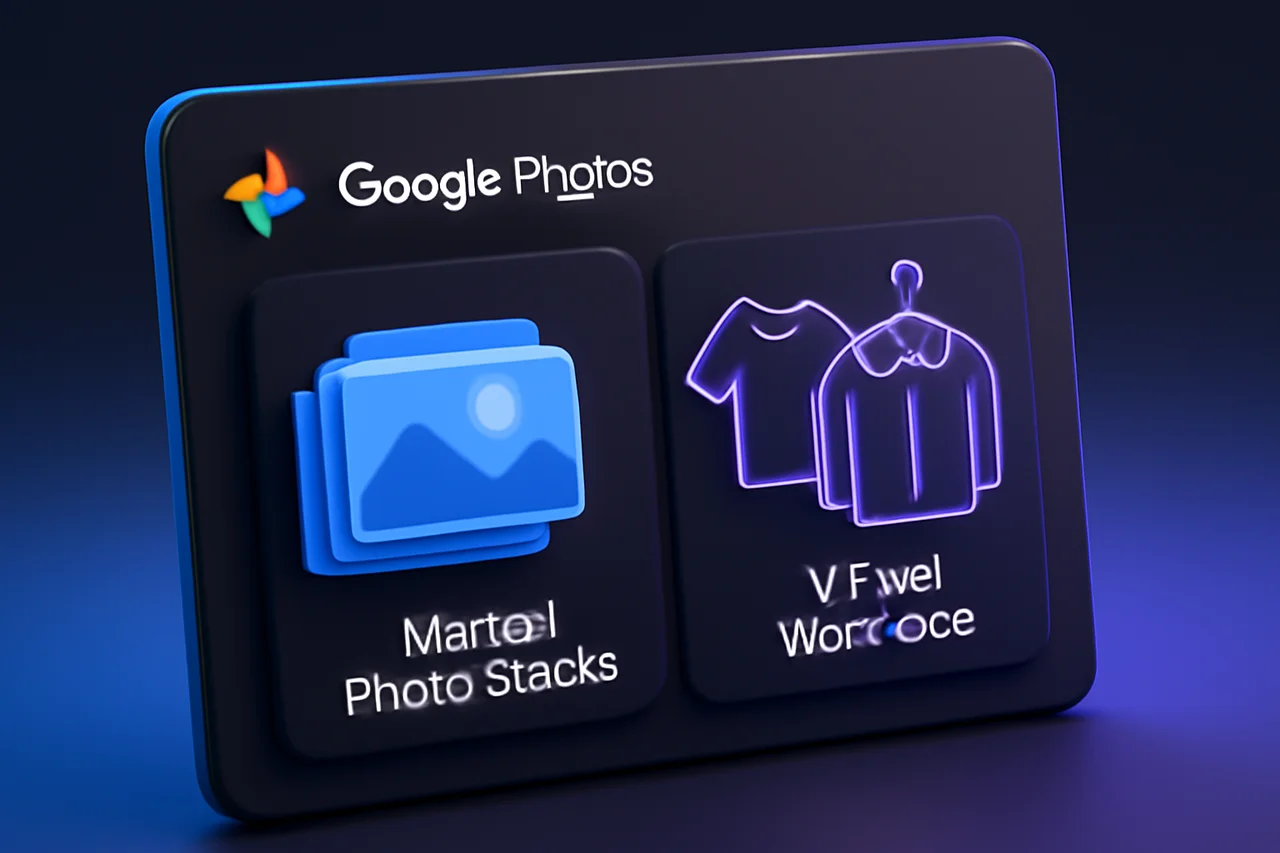
In a bid to enhance user experience, Google Photos has introduced two innovative features: a virtual wardrobe and Manual Photo Stacks. These updates are designed to simplify the way users manage their photos and make daily outfit decisions, reflecting Google's ongoing commitment to improving its photo management capabilities. As people increasingly rely on digital tools for organization and creativity, these features come at a critical time, addressing both practical needs and the desire for personalization in technology.
Virtual Wardrobe: A Smart Outfit Builder
The virtual wardrobe feature allows users to curate a digital collection of their clothing items. By leveraging the items already owned, Google Photos can assist users in creating stylish outfits. This functionality aims to alleviate the daily struggle of choosing what to wear, making outfit planning a more enjoyable and efficient process. In an era where fashion choices can be overwhelming, having a tool that simplifies this decision-making can significantly enhance a user's daily routine.
With the virtual wardrobe, users can take photos of their clothing and upload them to the Google Photos app. The app then analyzes these images to suggest outfit combinations based on the items available. This feature not only helps users save time but also encourages them to explore new styles using their existing wardrobe. By promoting creativity and experimentation, the virtual wardrobe empowers users to make the most of what they already own, potentially leading to more sustainable fashion choices.
Manual Photo Stacks: Enhanced Organization
Alongside the virtual wardrobe, Google Photos has rolled out the Manual Photo Stacks feature, which allows for improved organization of photo libraries. This feature, which had been available on iOS for nearly a year, is now making its debut on Android devices. Users can select multiple photos and stack them together, creating a more organized and easily navigable photo collection. As digital photography continues to proliferate, effective organization tools become essential for users looking to maintain a clutter-free library.
To utilize this feature, users simply need to select a group of photos and tap on the new “Stack Photos” option in the toolbar. This action groups the selected images into a single stack, allowing for streamlined access and management. This is particularly useful for users who want to declutter their libraries and keep related images together. By enabling users to visually group their memories, Google Photos enhances the storytelling aspect of photography, allowing users to relive moments more cohesively.
Integration with Gemini Spark
The introduction of these features coincides with the integration of Gemini Spark, a tool that enhances the organizational capabilities of Google Photos. This integration is expected to further improve the app's ability to manage and categorize photos, making it easier for users to find what they are looking for. As users accumulate thousands of images over time, efficient organization becomes paramount, and Gemini Spark aims to address this need.
With Gemini Spark, users can expect smarter suggestions and automated organization features that adapt to their preferences. This means that as users engage with the app, it will learn and improve its recommendations, providing a more personalized experience. The integration of AI-driven features like Gemini Spark highlights Google's commitment to leveraging advanced technology to enhance user interaction, making the app not just a storage solution but a proactive assistant in managing digital memories.
Benefits of the New Features
The addition of the virtual wardrobe and Manual Photo Stacks features presents several benefits for Google Photos users:
- Time-Saving: The virtual wardrobe helps users select outfits quickly, reducing the time spent deciding what to wear. In a fast-paced world, this efficiency can lead to a more productive start to the day.
- Improved Organization: Manual Photo Stacks allows for better management of photos, making it easier to locate and group images. This is particularly beneficial for users who frequently share photos or create albums.
- Personalization: With Gemini Spark integration, users can enjoy a more tailored experience as the app learns their preferences. This level of personalization can foster a deeper connection between users and their digital content.
- Enhanced Creativity: The virtual wardrobe encourages users to experiment with their style by suggesting new outfit combinations. This can lead to increased confidence in personal style and a more enjoyable fashion experience.
Conclusion
The rollout of the virtual wardrobe and Manual Photo Stacks features in Google Photos marks a significant enhancement in the app's functionality. These updates not only streamline the process of outfit selection but also improve photo organization, making it easier for users to manage their digital lives. As Google continues to innovate, users can look forward to a more intuitive and efficient experience with Google Photos. The integration of these features reflects a broader trend in technology, where personalization and user-centric design are becoming increasingly important in software development. As users embrace these changes, they can expect their digital experiences to become more aligned with their individual needs and lifestyles.
Key Highlights
- Google Photos has launched a virtual wardrobe feature for outfit planning.
- The virtual wardrobe helps users create outfits from clothing they already own.
- Manual Photo Stacks allows users to group multiple photos for better organization.
- The new stacking feature is now available on Android, previously on iOS.
- Gemini Spark integration enhances organizational capabilities in Google Photos.
- Users can expect smarter suggestions and a more personalized experience.
- These updates aim to simplify daily tasks and improve photo management.
Expert Analysis
Technical Analysis
Google Photos has introduced two new features: a virtual wardrobe and Manual Photo Stacks, both aimed at enhancing user experience. The virtual wardrobe allows users to upload images of their clothing items, which the app then analyzes to suggest outfit combinations. This feature leverages image recognition technology to facilitate outfit planning, addressing the common challenge of daily wardrobe selection. The Manual Photo Stacks feature enables users to group multiple photos together for better organization, a response to the increasing volume of digital images that users manage. By allowing users to stack related images, this feature enhances the navigability of photo libraries, making it easier to access and manage memories.
The integration of Gemini Spark further enhances these features by providing AI-driven organizational capabilities. Gemini Spark learns from user interactions, offering smarter suggestions and automated organization based on individual preferences. This represents a significant technical improvement over previous iterations of Google Photos, which lacked such personalized features. However, while these enhancements provide substantial benefits, they also depend on users actively engaging with the app to maximize its potential, which may pose a limitation for less tech-savvy individuals.
Advantages
- Time-saving outfit selection through the virtual wardrobe feature.
- Improved organization of photo libraries with Manual Photo Stacks.
- Personalized user experience driven by Gemini Spark integration.
- Enhanced creativity in outfit planning encourages users to explore their style.
- Streamlined access to related images enhances storytelling through photography.
Disadvantages
- No major disadvantages reported yet.
Real-World Use Cases
- Individuals can use the virtual wardrobe to quickly plan outfits for work or social events.
- Families can organize vacation photos using Manual Photo Stacks for easier sharing and album creation.
- Fashion enthusiasts can experiment with new styles suggested by the virtual wardrobe feature.
- Users with large photo libraries can declutter and manage their images more effectively with Manual Photo Stacks.
- Students can utilize the features for organizing photos related to projects or events.
Business Impact
The introduction of these features positions Google Photos as a more comprehensive tool for personal organization, potentially increasing user engagement and retention. By enhancing its capabilities, Google may attract users from competing platforms, thereby expanding its market share in the photo management space. The integration of AI through Gemini Spark also opens up new revenue opportunities for Google, as it can leverage user data to refine its advertising strategies and develop additional features that cater to user preferences.
User Impact
Ordinary users stand to benefit significantly from these new features, particularly those who struggle with outfit selection or managing large photo libraries. The virtual wardrobe can simplify daily decisions, making it a valuable tool for busy individuals. However, users who prefer minimal interaction with technology may find it challenging to fully utilize these features. Overall, the enhancements in Google Photos are worth adopting for those looking to streamline their digital lives.
Security & Privacy
Security and privacy analysis not applicable.
Future Outlook
In the near term, we can expect Google to continue refining these features based on user feedback, potentially introducing more advanced AI capabilities to further personalize the experience. As user expectations for personalization and efficiency grow, Google Photos may expand its offerings to include additional tools that integrate seamlessly with other Google services, enhancing overall user satisfaction and engagement.
Expert Summary
The enhancements to Google Photos with the virtual wardrobe and Manual Photo Stacks features represent a significant step forward in personal digital organization. Users looking for efficient ways to manage their clothing choices and photo libraries should pay attention to these updates, as they reflect a broader trend towards user-centric design in technology. Overall, these developments suggest that Google is committed to evolving its services to meet the changing needs of its users.
Originally reported by Android Authority.