
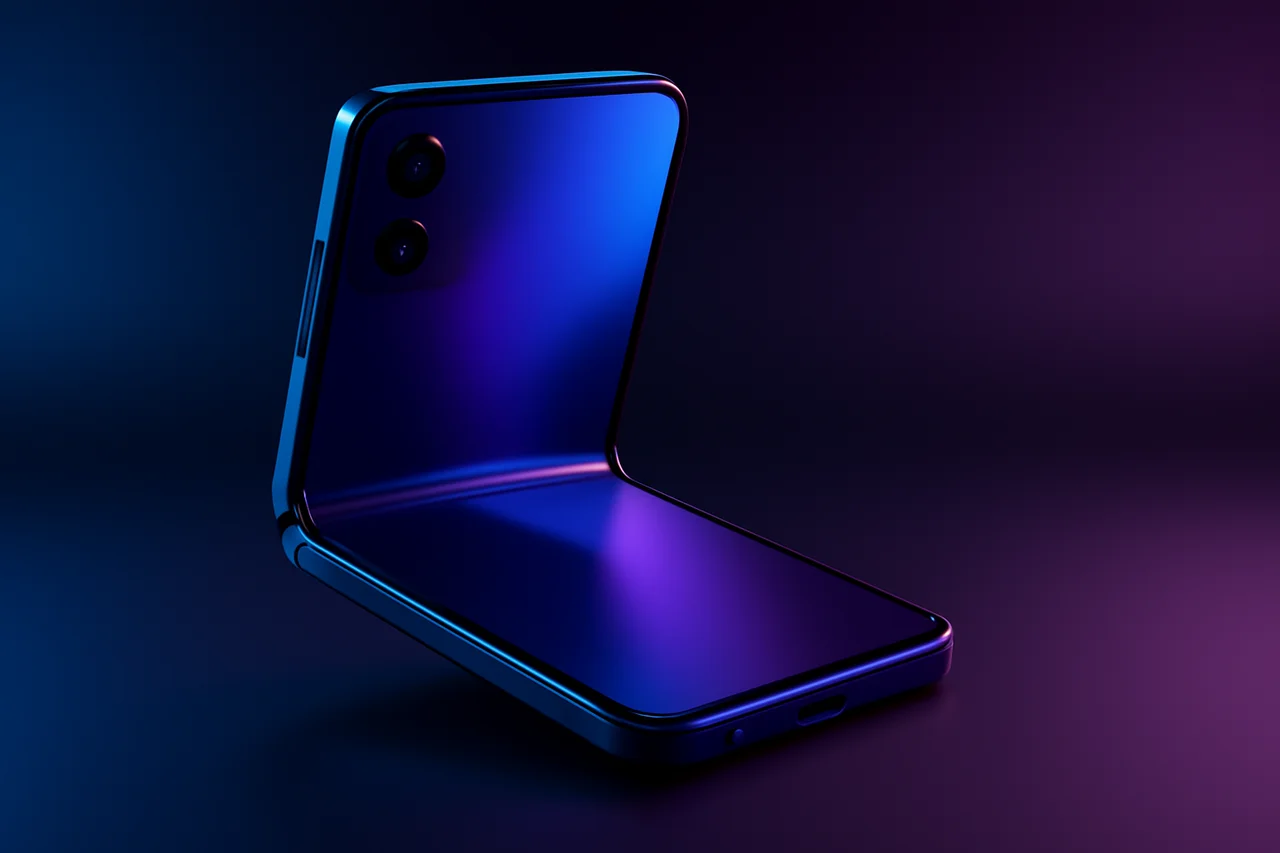
The foldable smartphone market has seen significant evolution over the past few years, with companies striving to perfect the design and functionality of these innovative devices. In my latest experience with the Google Pixel 11 Pro Fold, I revisited this unique category after previously testing the OPPO Find N2 back in 2022. Despite the advancements in technology, I remain unconvinced about the practicality of foldables for everyday use.
A Journey Through Foldable Technology
My initial encounter with foldable devices was with the OPPO Find N2, which left me impressed by the form factor's potential. The excitement surrounding foldable smartphones was palpable, as they promised to revolutionize how we interact with our devices. However, I found that the advantages did not outweigh the drawbacks, leading to my reluctance to switch from traditional smartphones. Fast forward four years, and I was eager to see whether the Google Pixel 11 Pro Fold could change my perspective.
Design and Build Quality
The Pixel 11 Pro Fold boasts a sleek design that feels premium in hand. With a careful selection of materials, Google has aimed to create a device that not only looks good but also withstands the rigors of daily use. The hinge mechanism is robust, allowing for smooth transitions between the folded and unfolded states. This is crucial, as a well-designed hinge can significantly impact the user experience. Google has clearly invested in improving the build quality of its foldable offering, ensuring that it feels sturdy and reliable.
The display, which features vibrant colors and excellent resolution, enhances the overall experience, making it a joy to use for media consumption and multitasking. The larger screen real estate allows for immersive viewing of videos, games, and productivity tasks, which is a significant advantage over traditional smartphones. However, the challenge remains in balancing this larger display with the device's overall portability.
Software and AI Features
One of the standout aspects of the Pixel 11 Pro Fold is Google's software prowess. The device runs on the latest Android version, optimized for foldable displays. This optimization is essential, as it ensures that applications take full advantage of the unique form factor. Features such as split-screen multitasking and app continuity work seamlessly, allowing users to switch between tasks without interruption. For instance, you can easily watch a video while taking notes or browsing the web, which enhances productivity.
Google's AI capabilities also enhance the user experience, providing smart suggestions and efficient performance. The integration of AI in everyday tasks can streamline workflows, making the Pixel 11 Pro Fold not just a device for communication, but a tool for productivity. However, the extent to which these features are utilized can vary from user to user, depending on their specific needs and habits.
User Experience: A Double-Edged Sword
Despite the impressive design and software enhancements, my skepticism about foldable devices remains. While the larger display offers a more immersive experience, it also introduces challenges. The bulkiness of the device when folded can be cumbersome, and I often found myself questioning the practicality of carrying a foldable phone daily. The question lingers: does the added screen real estate justify the trade-offs?
Moreover, the durability of foldable screens is a concern that many users share. While manufacturers have made strides in improving the resilience of these displays, the fear of potential damage remains in the back of the mind. Users must consider whether they are willing to take that risk, especially when traditional smartphones offer a proven track record of durability.
Comparative Analysis with Competitors
In the foldable smartphone landscape, the Pixel 11 Pro Fold competes with devices like the OPPO Find N2 and Samsung's Galaxy Z Fold series. Each of these devices has its unique strengths, from camera capabilities to battery life, but they also share common concerns regarding usability and portability. The OPPO Find N2, for instance, is known for its compact design, which may appeal to users looking for a more pocket-friendly option.
Ultimately, users must weigh the benefits of a foldable phone against the convenience of traditional smartphones, which continue to dominate the market. The traditional smartphone's familiarity and reliability often outweigh the allure of a foldable device, particularly for those who prioritize practicality over novelty.
Conclusion: The Future of Foldables
After spending time with the Pixel 11 Pro Fold, I find myself in the same position as before. While the advancements in foldable technology are commendable, they have not yet convinced me to transition from my conventional smartphone. The blend of impressive design, robust software, and AI features is enticing, but the practicality of daily use remains a significant hurdle. As foldable technology evolves, it will be interesting to see if future iterations can finally bridge the gap between innovation and usability.
As we look to the future, the potential for foldable smartphones is undeniable. With ongoing advancements in display technology and software optimization, there is hope that manufacturers will address the current limitations, making foldables a viable option for a broader audience. Until then, the journey of foldable smartphones continues, filled with promise but also challenges that need to be overcome.
Key Highlights
- The Google Pixel 11 Pro Fold features a sleek design with a robust hinge.
- Improvements in software make multitasking seamless on the foldable display.
- Despite advancements, the author remains skeptical about daily usability.
- Foldable phones like the Pixel 11 Pro Fold still face practical challenges.
- The question of whether foldables are worth the trade-offs persists among users.
- Comparisons with competitors reveal shared concerns in the foldable market.
- The evolution of foldable technology continues to intrigue but lacks universal appeal.
Expert Analysis
Technical Analysis
The Google Pixel 11 Pro Fold utilizes advanced foldable display technology, which allows the device to transition between a compact form factor and a larger screen for enhanced usability. This technology works by employing flexible OLED panels that can bend without breaking, enabling a seamless user experience when switching between different modes. The device is designed to leverage this technology effectively, with a robust hinge mechanism that ensures smooth operation and durability. The integration of AI further enhances the user experience, providing features such as smart suggestions and optimized multitasking capabilities, which are essential for maximizing the potential of the foldable form factor.
Despite these advancements, the Pixel 11 Pro Fold faces challenges typical of foldable devices, such as concerns over durability and portability. While the larger display offers immersive viewing and multitasking advantages, it also raises questions about the practicality of carrying a bulkier device daily. The durability of foldable screens remains a significant concern for users, as even with improvements, the risk of damage is a lingering issue. These limitations suggest that while the technology has evolved, it still has room for improvement in terms of user confidence and daily usability.
Advantages
- Sleek and premium design that enhances user experience.
- Robust hinge mechanism for smooth transitions between folded and unfolded states.
- Vibrant display with excellent resolution, ideal for media consumption.
- Optimized software for multitasking, allowing seamless task switching.
- Integration of AI features that streamline workflows and enhance productivity.
Disadvantages
- Bulkiness when folded can be cumbersome for daily carry.
- Concerns about the durability of foldable screens remain prevalent.
- The practicality of using a foldable device may not justify the trade-offs for some users.
Real-World Use Cases
- Professionals can use the device for multitasking, such as taking notes while watching videos.
- Content creators can benefit from the larger screen for editing and reviewing media.
- Students can utilize split-screen features for studying and research simultaneously.
- Gamers may enjoy immersive gameplay on the larger display.
- Users looking for a device that combines phone and tablet functionalities can find value in the foldable design.
Business Impact
The introduction of the Pixel 11 Pro Fold signifies Google's commitment to the foldable smartphone market, potentially reshaping consumer expectations and preferences. As foldable technology continues to evolve, it may create new revenue opportunities for Google and challenge competitors like OPPO and Samsung to innovate further. The ongoing competition in this space could lead to enhanced features and improved user experiences, ultimately driving market growth and consumer adoption of foldable devices.
User Impact
Ordinary users who prioritize innovative technology and multitasking capabilities may find the Pixel 11 Pro Fold appealing, particularly for its larger display and AI features. However, those who value practicality and durability in their devices may remain skeptical about adopting foldable smartphones. The decision to switch may hinge on individual preferences and how much users are willing to embrace the trade-offs associated with foldable technology.
Security & Privacy
Security and privacy analysis not applicable.
How It Compares
- The Pixel 11 Pro Fold offers a more premium design compared to the OPPO Find N2, which is noted for its compactness.
- Google's software optimization for foldable displays may provide a more seamless user experience than competitors.
Future Outlook
As the foldable smartphone market matures, we can expect ongoing advancements in display technology and software optimization, which may address current limitations. Future iterations of foldable devices could focus on enhancing durability and reducing bulkiness, making them more appealing to a broader audience. The potential for foldables to become mainstream will depend on how manufacturers respond to user feedback and evolving market demands.
Expert Summary
The evolution of foldable smartphones, exemplified by the Pixel 11 Pro Fold, highlights both the potential and challenges of this technology. Stakeholders in the mobile industry, including manufacturers and consumers, should pay attention to how these devices develop in terms of usability and practicality. Overall, while the Pixel 11 Pro Fold showcases significant advancements, it remains to be seen whether it can fully convince users to embrace foldable technology over traditional smartphones.
Originally reported by Android Authority.



