
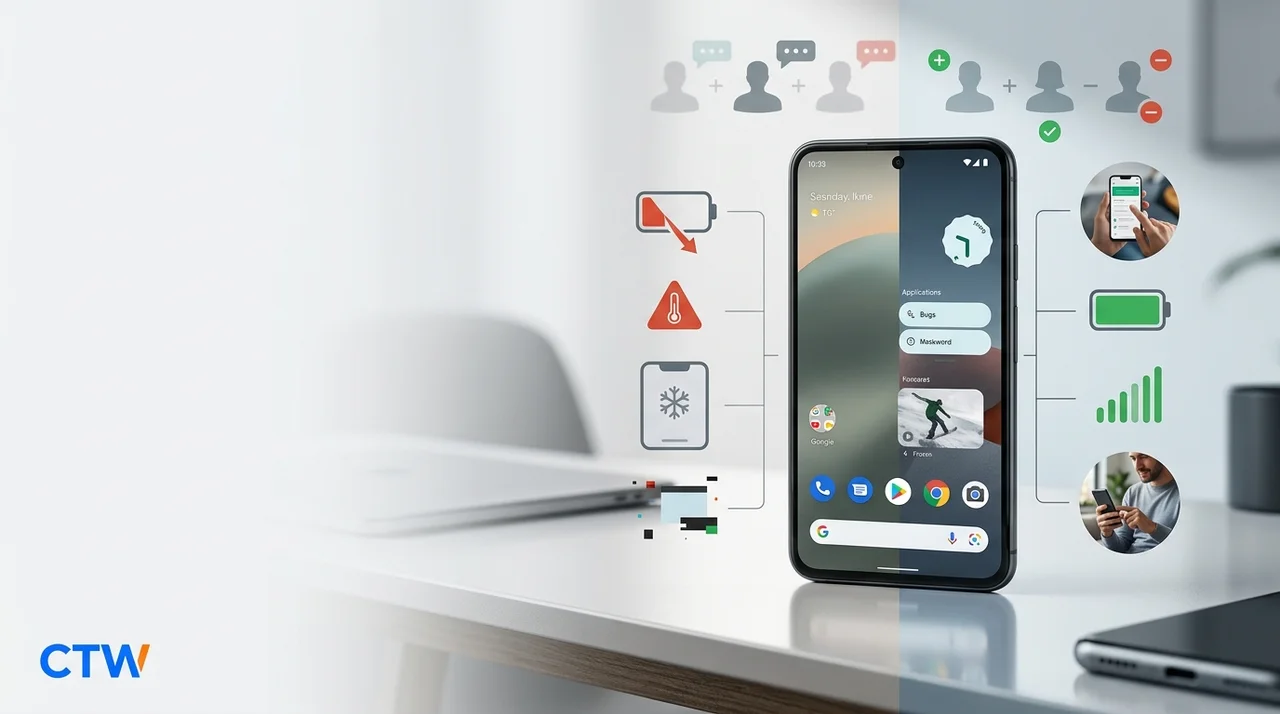
The reputation of Google Pixel phones as unreliable devices plagued by bugs has come under scrutiny following a recent survey. While many users have reported issues such as battery drain and overheating, a significant number of respondents have had positive experiences, suggesting that perceptions of the devices may not reflect the full picture.
Understanding the Buggy Reputation
In the world of technology, software and hardware bugs are often unavoidable. From minor glitches to major issues that disrupt user experience, these problems can significantly impact consumer trust. Google Pixel phones have faced their share of criticism, particularly regarding their reliability. Reports of battery drain and overheating have surfaced, leading to a widespread belief that these devices are inherently flawed. This perception is not just anecdotal; it is bolstered by user experiences shared across forums, social media, and review platforms, where complaints about performance issues tend to dominate discussions.
User Experiences Vary Widely
Despite the negative feedback, a recent survey conducted by Android Authority has revealed a more nuanced view of user experiences with Google Pixel phones. While some respondents reported significant issues, others expressed satisfaction with their devices. This disparity in experiences raises important questions about the overall reliability of Pixel phones and the factors that contribute to these varied perceptions. For instance, some users may have encountered issues due to specific software updates or hardware configurations, while others may have benefited from a more stable experience. This variability suggests that the user experience with Pixel phones can be highly individualized, influenced by how users interact with their devices and the specific use cases they employ.
Survey Insights and Findings
The survey aimed to gather insights from Pixel phone users regarding their experiences with software and hardware bugs. The results indicate a mixed bag: while some users encountered problems, a considerable number reported that their devices functioned smoothly without any major issues. This suggests that while bugs are a concern for some, they are not universally experienced. Additionally, the survey highlights the importance of context in understanding these experiences; for example, users who frequently push their devices to the limit with demanding applications may be more likely to encounter bugs than those who use their phones for basic tasks.
Real-Life Incidents Highlight Concerns
One notable incident that adds weight to the buggy reputation of Pixel phones is the experience of Dhruv, a colleague at Android Authority. His Pixel 11 Pro malfunctioned just five days into his review, raising alarms about the reliability of these devices. Such incidents contribute to the narrative that Pixel phones may not be as dependable as their competitors, despite the positive feedback from other users. This incident serves as a reminder that even within a single product line, experiences can vary dramatically, and what might be a one-off failure for one user could be a common issue for another. It also underscores the challenges that manufacturers face in maintaining quality control across different batches of devices.
The Importance of User Feedback
User feedback is crucial in understanding the performance of technology products. The recent survey not only highlights the experiences of Pixel phone users but also emphasizes the need for manufacturers like Google to listen to their customers. By addressing reported issues and improving software updates, Google can enhance user trust and satisfaction with their Pixel lineup. Moreover, user feedback can inform future design and development decisions, allowing Google to prioritize fixes for the most commonly reported problems. This iterative process of improvement is essential in the fast-paced tech landscape, where consumer expectations are continually evolving.
Conclusion: A Mixed Bag of Experiences
In conclusion, while there have been legitimate concerns regarding the reliability of Google Pixel phones, the user experience is not universally negative. The survey results illustrate that many users have had positive experiences, suggesting that the perception of Pixel phones as a buggy mess may not be entirely accurate. As Google continues to refine its devices and respond to user feedback, the future of the Pixel lineup may hold more promise for consumers. Ultimately, the journey of the Pixel phones reflects a broader narrative in the tech industry: the balance between innovation and reliability, and the ongoing challenge of meeting diverse user needs in an increasingly competitive market.
Key Highlights
- A recent survey challenges the perception of Google Pixel phones as unreliable.
- Users reported various issues, including battery drain and overheating.
- The survey revealed mixed experiences among Pixel phone users.
- Dhruv's experience with a malfunctioning Pixel 11 Pro raised concerns.
- User feedback is essential for understanding and improving device reliability.
- Many respondents reported satisfaction with their Pixel devices despite some issues.
- The findings suggest that not all Pixel phones are plagued by bugs.
Expert Analysis
Technical Analysis
The technology involved in Google Pixel phones encompasses both hardware and software components, which work together to deliver a user experience. The hardware includes the physical components of the device, such as the processor, battery, and sensors, while the software consists of the operating system and applications that run on the device. The integration of these technologies aims to provide a seamless user experience, but issues like battery drain and overheating have raised concerns about reliability. The survey findings suggest that user experiences can vary widely, indicating that the technology's performance may be influenced by individual usage patterns and specific configurations.
What sets Google Pixel phones apart is their emphasis on software optimization and timely updates, which are intended to enhance performance and security. However, the limitations of this approach are evident in the reported bugs and performance issues. While some users enjoy a stable experience, others encounter significant problems, suggesting that the technology may not be uniformly reliable. This variability highlights the challenges of maintaining quality control across different devices and user scenarios, as well as the need for ongoing improvements in both hardware and software to address these concerns.
Advantages
- Some users report a smooth and reliable experience with their Pixel phones.
- The survey indicates that not all users experience significant issues, suggesting a segment of satisfied customers.
- Timely software updates from Google can enhance security and performance.
- User feedback can lead to improvements in future device iterations.
Disadvantages
- Reports of battery drain and overheating issues persist among some users.
- Individual experiences vary widely, leading to a perception of inconsistency in reliability.
- Specific software updates or hardware configurations may contribute to user-reported problems.
Real-World Use Cases
- Individuals using Pixel phones for basic tasks may enjoy a stable experience without significant issues.
- Developers can leverage user feedback to identify common problems and improve app compatibility with Pixel devices.
- Businesses may consider Pixel phones for employees who require reliable devices for standard productivity tasks.
Business Impact
The mixed user experiences with Google Pixel phones could impact consumer trust and brand loyalty, especially as competitors continue to innovate and offer reliable alternatives. If Google addresses the reported issues effectively, it may enhance its market position and open up new revenue opportunities through improved customer satisfaction. The ongoing feedback loop between users and the company can also inform future product development, potentially leading to a stronger lineup of devices that better meet consumer needs.
User Impact
Ordinary users may benefit from the positive experiences reported by some Pixel phone owners, suggesting that these devices can perform well under certain conditions. However, those who frequently push their devices to the limit or rely on them for demanding applications may find the reported bugs concerning. As such, potential buyers should weigh the mixed reviews and consider their specific usage patterns before adopting Pixel phones.
Security & Privacy
Security and privacy analysis not applicable.
Future Outlook
In the near term, Google is likely to focus on addressing the bugs reported by users through software updates and improvements in hardware quality control. The company may also enhance its customer support and feedback mechanisms to better understand user experiences. As the smartphone market continues to evolve, Google’s ability to balance innovation with reliability will be crucial in maintaining its competitive edge and attracting new customers.
Expert Summary
The survey results highlight a complex narrative surrounding Google Pixel phones, revealing both positive and negative user experiences. Stakeholders, including potential buyers and industry analysts, should pay attention to how Google responds to user feedback and addresses the reported issues. Overall, while there are challenges to overcome, the potential for improvement and user satisfaction remains significant.
Originally reported by Android Authority.



