
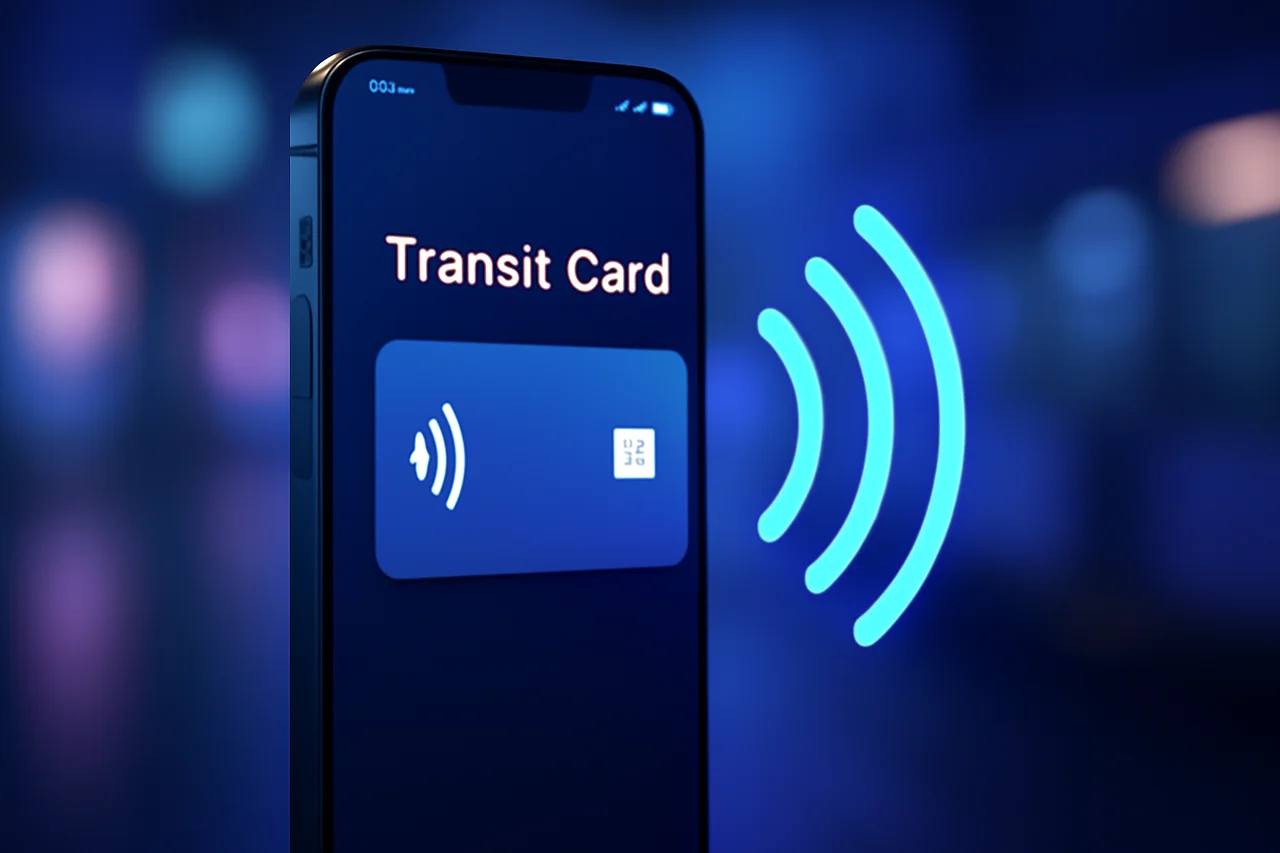
In a significant update for mobile users, Google has rolled out version 26.35 of Google Play Services, introducing a highly anticipated feature for Google Wallet. This enhancement allows users to add their physical transit cards and balances directly into the app using NFC (Near Field Communication) technology. This development marks a step forward in making public transport more accessible and convenient for users who rely on their mobile devices.
New Feature for Transit Users
The latest update to Google Wallet is particularly beneficial for frequent transit users. By utilizing NFC technology, Android phone users can now leave their physical transit cards at home and simply use their smartphones to access public transport services. This feature streamlines the commuting experience, allowing for quick taps and seamless entry into transit systems. The convenience of having transit cards integrated into a mobile wallet means that users can avoid the hassle of carrying multiple cards, making their daily commutes more efficient.
How NFC Technology Works
NFC technology enables short-range wireless communication between compatible devices. When a user adds their transit card to Google Wallet, their phone can communicate with the transit system's card readers. This means that users can quickly tap their phones at entry points without the hassle of fumbling for a card. The integration of NFC into Google Wallet is a game changer for those who frequently use public transport. It not only speeds up the boarding process but also reduces the likelihood of users forgetting or losing their transit cards, which can be a common issue.
Additional Improvements in Google Play Services
Along with the new transit card feature, the v26.35 update also includes enhancements to the Play Store. Users will notice a revamped navigation bar that aims to improve the overall browsing experience. This redesign is intended to make it easier for users to find and download apps that suit their needs. Additionally, the 'Similar Apps' section has been upgraded, making it easier for users to discover new applications that align with their interests. These improvements reflect Google's ongoing commitment to enhancing user experiences across its platforms.
Implications for Public Transport Accessibility
The ability to integrate transit cards into Google Wallet via NFC not only simplifies the commuting process but also enhances accessibility. Users who may have previously struggled with physical cards due to loss or damage can now rely on their smartphones. This update is expected to encourage more users to utilize public transport, contributing to reduced traffic congestion and lower carbon emissions. Furthermore, as cities continue to promote sustainable transport options, the convenience offered by digital wallets may lead to a significant increase in public transit ridership.
Future of Mobile Payments and Transit Integration
As mobile payment solutions continue to evolve, the integration of transit cards into digital wallets like Google Wallet represents a significant trend. With the increasing adoption of NFC technology, users can expect more features that prioritize convenience and efficiency. This update is just one step in a broader movement toward a cashless and cardless future in public transport. As more transit authorities embrace digital solutions, the potential for improved user experiences and operational efficiencies becomes increasingly apparent.
Conclusion
Google's introduction of NFC support for transit cards in Google Wallet is a welcome addition for Android users. With this feature, commuting becomes easier and more efficient, reflecting the tech giant's commitment to enhancing user experiences. As Google continues to innovate, the future of mobile payments and public transport integration looks promising. This update not only highlights the capabilities of modern technology but also underscores the importance of making public transport more user-friendly and accessible for everyone.
Key Highlights
- Google Wallet now supports adding physical transit cards via NFC.
- The new feature is part of the Google Play Services v26.35 update.
- Users can access public transport without needing a physical card.
- NFC technology allows for quick taps at transit entry points.
- The update also improves the Play Store's navigation bar and app discovery.
- This enhancement aims to make public transport more accessible.
- The trend towards digital wallets continues to grow in the transit sector.
Expert Analysis
Technical Analysis
The latest update to Google Wallet, version 26.35, incorporates Near Field Communication (NFC) technology, allowing users to integrate their physical transit cards directly into the app. NFC enables short-range wireless communication between devices, facilitating quick interactions with transit card readers. This technology simplifies the commuting process by allowing users to tap their smartphones at entry points, eliminating the need to carry physical cards. The integration of NFC into Google Wallet not only enhances convenience but also addresses common issues such as forgetting or losing transit cards.
This update represents a significant advancement in mobile payment solutions, particularly in the public transport sector. By streamlining the boarding process and enhancing accessibility, Google Wallet aims to encourage more users to adopt public transport. However, while NFC technology offers substantial improvements in user experience, its reliance on compatible infrastructure may limit its effectiveness in areas where transit systems have not yet adopted digital solutions. Additionally, the success of this feature will depend on user adoption and the willingness of transit authorities to support digital wallet integration.
Advantages
- Eliminates the need to carry physical transit cards, enhancing convenience for users.
- Speeds up the boarding process, reducing wait times at entry points.
- Reduces the likelihood of losing or forgetting transit cards.
- Encourages increased use of public transport, potentially lowering traffic congestion and carbon emissions.
Disadvantages
- No major disadvantages reported yet.
Real-World Use Cases
- Frequent commuters can use their smartphones to access public transport without needing to carry multiple cards.
- Users who have lost or damaged their physical transit cards can rely on their mobile devices for travel.
- Transit authorities can leverage this technology to improve operational efficiencies and user experiences.
Business Impact
The integration of transit cards into Google Wallet positions Google as a leader in the mobile payment space, particularly within the public transport sector. This enhancement could drive increased adoption of digital wallets among users, creating new revenue opportunities for Google as more transit authorities partner with the platform. Competitors in the mobile payment arena may need to enhance their offerings to keep pace with Google's innovations, potentially leading to a more competitive landscape in mobile transit solutions.
User Impact
Ordinary users, especially those who rely on public transport, stand to benefit significantly from this update. The convenience of having transit cards integrated into a mobile wallet simplifies the commuting experience, making it more user-friendly. However, users in regions where transit systems have not adopted NFC technology may not experience the same benefits, highlighting a disparity in accessibility based on location. Overall, for those in compatible areas, adopting this feature is likely to enhance daily commutes.
Security & Privacy
Security and privacy analysis not applicable.
Future Outlook
As mobile payment solutions continue to evolve, the integration of transit cards into digital wallets like Google Wallet is expected to grow. Future developments may include enhanced features that further streamline the user experience and improve compatibility with various transit systems. As more cities and transit authorities embrace digital solutions, the potential for increased public transport ridership and operational efficiencies will likely expand, shaping the future of mobile payments in the transit sector.
Expert Summary
The rollout of NFC support for transit cards in Google Wallet is a significant advancement in mobile payment technology, particularly for public transport users. Stakeholders in the transit industry, tech companies, and users should pay attention to this trend as it reflects a broader movement towards digital solutions in everyday commuting. Overall, this update not only enhances user convenience but also underscores the importance of integrating technology into public transport systems.
Originally reported by Android Authority.



