
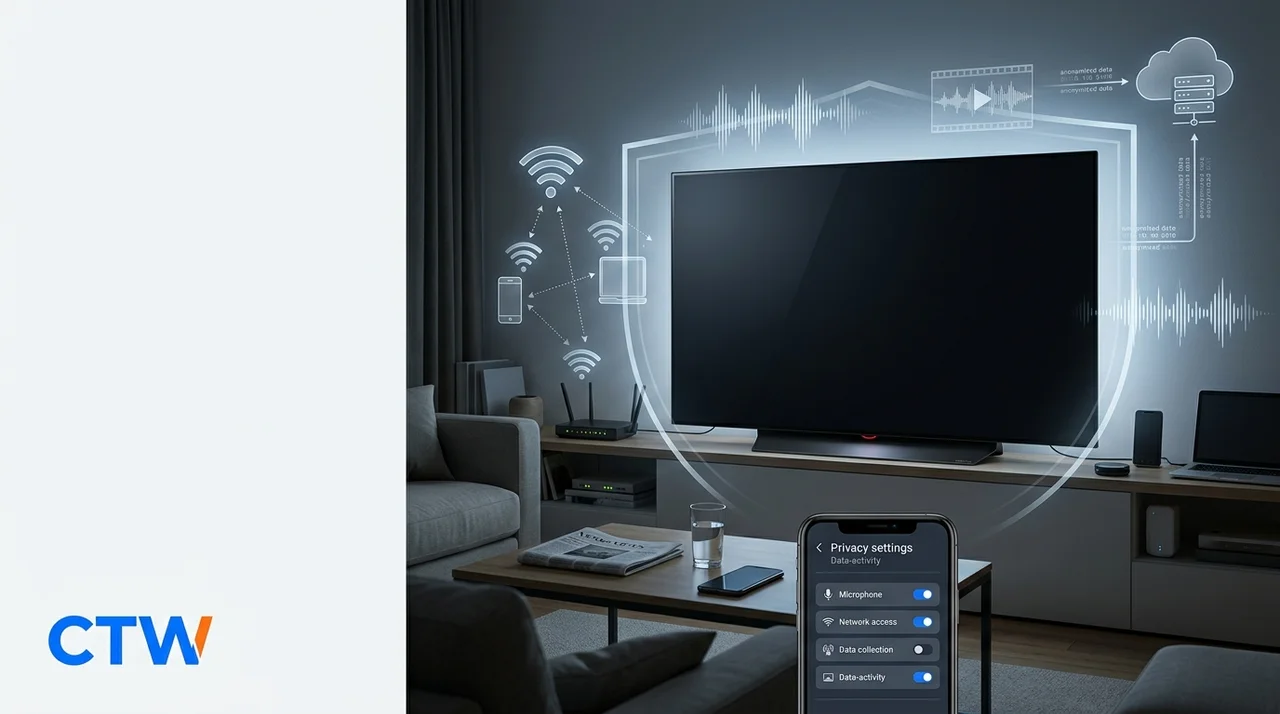
In a disturbing revelation for consumers, LG smart TVs, including the popular LG G5 OLED model, have been found to be continuously logging and uploading user data, even when the devices are offline or in standby mode. This finding, reported by the YouTube channel Gamers Nexus, raises significant concerns about privacy and data security in the realm of consumer electronics. As smart TVs become a staple in households, understanding their data practices is more crucial than ever.
Investigation Details
The investigation conducted by Gamers Nexus involved collaboration with fellow YouTubers and independent security researchers. Together, they conducted rigorous tests on retail LG OLED TVs to uncover the extent of data logging and privacy violations. The results were alarming, showing that these TVs are not just passive devices; they actively engage in data collection. The investigation highlights a broader trend where consumer electronics are increasingly equipped with capabilities that can infringe on user privacy.
Data Collection Practices
According to the findings, LG smart TVs utilize various methods to gather data about their users. These include:
- Scanning local Wi-Fi networks for nearby devices, which can reveal information about other connected devices in the home.
- Recording audio through built-in microphones, potentially capturing private conversations without user consent.
- Employing audio and video sampling techniques to identify content being viewed, which raises questions about how this data is stored and used.
This level of surveillance suggests that the TVs are almost constantly monitoring users, even when they are not actively in use. Such practices not only breach consumer trust but also highlight the need for clearer regulations regarding data collection in consumer electronics.
Privacy Implications
The implications of these findings are profound. Many consumers may not be aware that their devices are continuously logging data about their viewing habits and personal environments. This raises critical questions about consent and the extent to which manufacturers should be allowed to collect and utilize user data. As smart home devices become more prevalent, the potential for privacy invasions increases significantly, leading to a pressing need for robust privacy standards in the industry.
Consumer Reactions
Consumer reactions to this news have been mixed, with many expressing outrage and concern over their privacy. Social media platforms have seen a surge in discussions about the ethical responsibilities of tech companies regarding user data. Some users are considering returning their LG TVs or switching to brands that prioritize user privacy. This backlash could have significant implications for LG and other manufacturers, as consumer trust is paramount in the competitive electronics market.
LG's Response
As of now, LG has not issued a formal response to the findings reported by Gamers Nexus. However, the company will likely face pressure to address these privacy concerns and clarify its data collection practices. Transparency will be crucial in restoring consumer trust, and LG may need to implement stricter privacy policies to reassure users. The company might also consider enhancing user controls over data collection, allowing consumers to opt-out of certain features that compromise their privacy.
The Future of Smart TVs
This incident serves as a wake-up call for both consumers and manufacturers in the smart TV market. As technology continues to evolve, the balance between convenience and privacy must be carefully managed. Consumers are urged to remain vigilant about the data their devices collect and to seek out products that align with their privacy values. This may involve researching brands, reading privacy policies, and utilizing available settings to limit data sharing.
Conclusion
The investigation into LG smart TVs highlights a growing concern in the consumer electronics industry regarding privacy and data security. As smart devices become more integrated into daily life, understanding their data practices is essential for consumers. Awareness and proactive measures will be key in navigating the complexities of digital privacy. Ultimately, the future of consumer electronics will depend on the industry's ability to prioritize user privacy while delivering innovative and convenient products.
Key Highlights
- LG smart TVs, including the G5 OLED, log data even when offline.
- The investigation was conducted by Gamers Nexus with independent researchers.
- TVs scan local Wi-Fi networks and record audio through microphones.
- Privacy concerns are raised regarding constant data collection.
- Consumer reactions include outrage and calls for better privacy practices.
- LG has not yet responded to the findings of the investigation.
- The incident highlights the need for transparency in smart device data practices.
Expert Analysis
Technical Analysis
The technology involved in LG smart TVs, particularly the LG G5 OLED model, includes Wi-Fi connectivity and built-in audio and video sampling capabilities. These features enable the TVs to continuously log data about users' viewing habits and personal environments, even when the devices are offline or in standby mode. The data collection mechanisms involve scanning local Wi-Fi networks for nearby devices, recording audio through microphones, and sampling audio and video content. This suggests that the TVs are not merely passive devices but are actively monitoring user behavior, which raises significant privacy concerns.
What sets LG's approach apart is the extent of data logging that occurs without user awareness or consent. While many smart devices collect user data, the continuous nature of this logging, even when the device is not in active use, is particularly alarming. The technical improvements in these smart TVs, such as enhanced connectivity and content recognition capabilities, come with the limitation of potential privacy invasions. The lack of transparency around data usage and storage further complicates the situation, highlighting a need for clearer regulations in the consumer electronics industry.
Advantages
- Enhanced user experience through personalized content recommendations based on viewing habits.
- Integration with smart home ecosystems, allowing for seamless connectivity with other devices.
- Advanced features like voice control and content recognition that improve usability.
- Potential for software updates that enhance functionality and performance over time.
Disadvantages
- Continuous data logging raises significant privacy concerns for users.
- Potential for unauthorized access to sensitive information through data collection.
- Lack of transparency regarding how collected data is stored and used.
- Consumer backlash could lead to loss of trust in LG and potential market share.
Real-World Use Cases
- Consumers can use LG smart TVs for streaming services that require personalized content recommendations.
- Businesses can leverage smart TVs for advertising and promotional displays in retail environments.
- Developers can create applications that integrate with LG smart TVs, enhancing user engagement.
- Educational institutions can utilize smart TVs for interactive learning experiences in classrooms.
Business Impact
The revelations about LG smart TVs' data logging practices could significantly impact consumer trust in the brand, leading to potential declines in sales as users consider alternatives that prioritize privacy. Competitors may capitalize on this situation by highlighting their own privacy policies and practices, potentially reshaping market dynamics. As privacy concerns become more prevalent, manufacturers across the consumer electronics industry may be compelled to adopt stricter data protection measures, creating new revenue opportunities for companies that prioritize user privacy.
User Impact
Ordinary users stand to benefit from the advanced features and personalized experiences offered by LG smart TVs; however, they may also face risks associated with privacy invasions. Many consumers may not be aware of the extent of data collection occurring behind the scenes, which could lead to a lack of informed consent. As awareness of these issues grows, users should carefully consider whether the benefits of adopting such technology outweigh the potential risks to their privacy.
Security & Privacy
The continuous data logging practices of LG smart TVs raise significant privacy risks, as users may unknowingly have their conversations and viewing habits recorded. This lack of transparency could lead to unauthorized access to sensitive information, making it imperative for manufacturers to implement robust security measures and clearer privacy policies to protect user data.
Future Outlook
In the near term, it is likely that LG will face increasing pressure from consumers and regulators to address privacy concerns and enhance transparency regarding data collection practices. This could lead to the implementation of stricter privacy controls and user options to opt-out of certain data logging features. The industry as a whole may also see a shift towards more privacy-centric designs and policies as consumer awareness of these issues grows.
Expert Summary
The investigation into LG smart TVs reveals critical privacy concerns that consumers must consider when adopting new technology. As data practices come under scrutiny, both consumers and manufacturers should pay attention to the implications of continuous data logging. This news highlights the need for greater transparency and stronger privacy protections in the consumer electronics industry, making it essential for users to stay informed and proactive about their digital privacy.
Originally reported by The Verge.



