
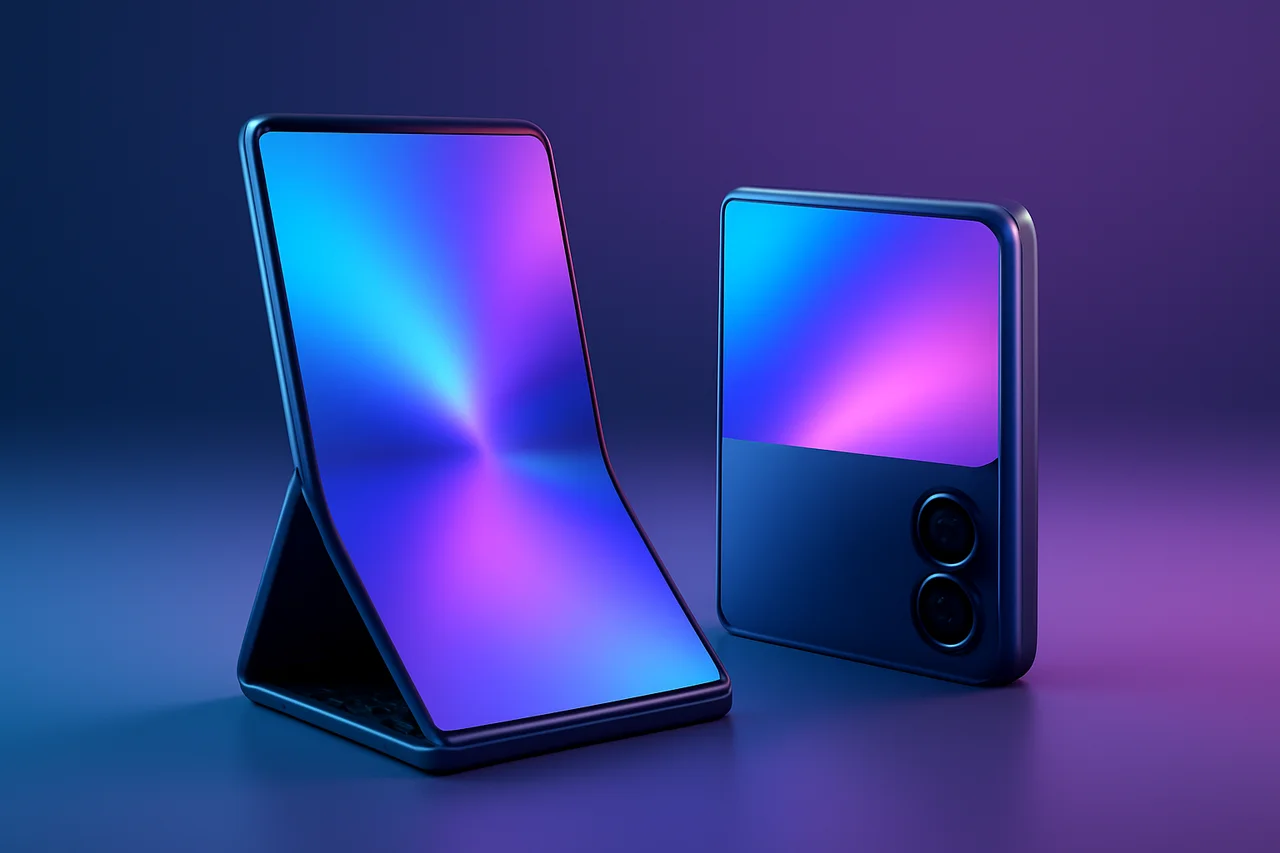
The foldable smartphone market has seen significant advancements in technology, with several manufacturers vying for consumer attention. Among the leading contenders, Samsung's Galaxy Z Fold 8 Ultra stands out for its impressive specifications. However, recent insights suggest that Motorola's Razr Fold and Google's Pixel 11 Pro Fold may be gaining ground where it truly matters: usability.
Specifications vs. Usability
Samsung has long been synonymous with high-end mobile technology, and the Galaxy Z Fold 8 Ultra is no exception. It boasts a robust 5,000mAh battery, the Snapdragon 8 Elite Gen 5 chip, and a sophisticated camera system. These specifications position it as a powerhouse in the foldable smartphone segment, appealing to tech enthusiasts and power users alike. However, despite these impressive specs, the device has been criticized for its pocketability. In fact, it ranks last among foldable smartphones released in the U.S. this year when it comes to fitting comfortably in a pocket. This raises an important question: how much do specifications matter if the device is impractical for everyday use?
Consumer Preferences Matter
The smartphone market is not solely driven by specifications; consumer preferences play a pivotal role. While the Galaxy Z Fold 8 Ultra excels in performance, many users prioritize practicality and ease of use. The Motorola Razr Fold and Google Pixel 11 Pro Fold, despite their less powerful hardware, offer a more user-friendly experience that resonates with consumers. This shift in preference highlights a growing trend where usability and design aesthetics are becoming just as important as raw power. Consumers today are looking for devices that not only perform well but also integrate seamlessly into their daily lives.
Why Choose Motorola and Google?
For many potential buyers, the decision to choose a foldable smartphone goes beyond performance metrics. The Motorola Razr Fold and Google Pixel 11 Pro Fold provide a compelling alternative to Samsung's flagship model. Factors contributing to this preference include:
- Form Factor: Both Motorola and Google have designed their devices to be more pocket-friendly, making them easier to carry. The compact design of the Razr Fold, for instance, allows it to fit snugly in pockets without creating bulk.
- User Experience: The software and interface of these devices are tailored for seamless usability, enhancing the overall experience. Google's integration of its software ecosystem into the Pixel 11 Pro Fold ensures that users benefit from a streamlined experience that is intuitive and efficient.
- Design Aesthetics: The designs of the Razr Fold and Pixel 11 Pro Fold appeal to consumers looking for stylish options. The nostalgic flip design of the Razr Fold, combined with modern technology, creates a unique allure that sets it apart from more utilitarian designs.
Performance Trade-offs
While the Razr Fold and Pixel 11 Pro Fold may not match the Galaxy Z Fold 8 Ultra in raw performance, their trade-offs are often acceptable to users prioritizing usability over specifications. The ability to comfortably carry a device and access features quickly can outweigh the benefits of a more powerful processor or camera system. For many consumers, the everyday functionality of a smartphone—such as ease of texting, browsing, and social media usage—takes precedence over having the latest chip or camera technology.
Market Implications
The shift in consumer preference towards Motorola and Google indicates a broader trend in the foldable smartphone market. As manufacturers continue to innovate, it will be essential for them to balance high-end specifications with practical usability. This trend suggests that future foldable designs may increasingly prioritize user-friendly features to attract a wider audience. Companies that can successfully blend performance with a user-centric design will likely find themselves at the forefront of the market. Additionally, this shift may encourage more manufacturers to explore unique form factors and functionalities that cater to consumer needs.
Conclusion
In conclusion, while the Samsung Galaxy Z Fold 8 Ultra may lead in specifications, its lack of pocketability and user-friendly design has opened the door for competitors like Motorola and Google. As consumers become more discerning, the importance of usability in the foldable smartphone market cannot be overstated. The preference for the Razr Fold and Pixel 11 Pro Fold serves as a reminder that specifications alone do not define a successful product; rather, the overall user experience is paramount. As the market evolves, it will be fascinating to see how manufacturers respond to these changing consumer preferences and what innovations will emerge in the foldable smartphone space.
Key Highlights
- Samsung's Galaxy Z Fold 8 Ultra is praised for its high-end specifications.
- Despite its features, the Galaxy Z Fold 8 Ultra ranks lowest in pocketability among foldables.
- Motorola Razr Fold and Google Pixel 11 Pro Fold are preferred for their usability.
- Consumer preferences are shifting towards practicality over raw performance.
- The design and user experience of foldables are becoming key buying factors.
- The foldable smartphone market is evolving, emphasizing user-friendly features.
- Specifications alone are not enough to secure consumer loyalty in this market.
Expert Analysis
Technical Analysis
The foldable smartphone technology primarily involves flexible display technology, hinge mechanisms, and advanced processing capabilities. The Snapdragon 8 Elite Gen 5 chip powers devices like the Samsung Galaxy Z Fold 8 Ultra, providing high performance for demanding applications. However, the usability of these devices is heavily influenced by their design and form factor, which can affect how easily they fit into users' daily lives. The Galaxy Z Fold 8 Ultra, while technically superior in specifications, has been criticized for its bulkiness, making it less practical for everyday use compared to competitors like the Motorola Razr Fold and Google Pixel 11 Pro Fold.
The Motorola and Google devices emphasize user-friendliness and portability, addressing a critical pain point for consumers who prioritize ease of use over raw power. This shift in focus suggests that future advancements in foldable technology may increasingly prioritize ergonomic design and practical usability, potentially leading to innovations that enhance the user experience while maintaining acceptable performance levels. However, the trade-offs in performance, such as less powerful hardware in the Razr Fold and Pixel 11 Pro Fold, may limit their appeal to tech enthusiasts who seek cutting-edge specifications.
Advantages
- More pocket-friendly designs of Motorola Razr Fold and Google Pixel 11 Pro Fold enhance portability.
- User experience is prioritized, making devices easier to use in everyday scenarios.
- Stylish design aesthetics appeal to consumers looking for modern and nostalgic elements.
- The integration of software ecosystems, particularly in the Pixel 11 Pro Fold, provides a streamlined user experience.
Disadvantages
- Performance trade-offs may deter power users who prioritize high-end specifications.
- Less powerful hardware in Motorola and Google devices compared to the Galaxy Z Fold 8 Ultra.
Real-World Use Cases
- Individuals seeking a foldable smartphone that fits comfortably in their pockets for daily use.
- Users who value a seamless software experience integrated with their existing digital ecosystem.
- Consumers looking for stylish and compact devices that do not compromise on usability.
- Business professionals needing a device that balances functionality with portability for on-the-go tasks.
Business Impact
The shift in consumer preference towards Motorola and Google indicates a significant change in the foldable smartphone market, potentially reshaping competitive dynamics. As usability becomes a key differentiator, companies that can effectively blend high specifications with user-friendly designs may capture a larger share of the market. This trend could lead to increased revenue opportunities for manufacturers that innovate in form factors and functionalities tailored to consumer needs, while also pressuring established players like Samsung to adapt their offerings.
Moreover, as more consumers gravitate towards devices that prioritize practicality, manufacturers may need to rethink their design philosophies, potentially leading to a broader range of foldable options that cater to diverse user preferences. This could spur further innovation and competition within the industry.
User Impact
Ordinary users stand to benefit significantly from the increasing focus on usability in foldable smartphones. Devices like the Motorola Razr Fold and Google Pixel 11 Pro Fold cater to those who prioritize practicality, making them more appealing for everyday tasks such as texting, browsing, and social media. This suggests that consumers may find greater satisfaction in devices that integrate seamlessly into their lifestyles, rather than just focusing on high-end specifications.
However, tech enthusiasts and power users may feel underserved by these offerings due to their lower performance capabilities. As the market evolves, it will be essential for users to consider their specific needs and preferences when choosing a foldable smartphone, balancing usability with performance requirements.
Security & Privacy
Security and privacy analysis not applicable.
Future Outlook
In the near term, we can expect manufacturers to continue refining their foldable designs, placing greater emphasis on user-centric features that enhance practicality and usability. As consumer preferences shift, it is likely that more brands will explore innovative form factors and functionalities that cater to a wider audience. This could lead to a diversification of the foldable smartphone market, with various options available to meet different user needs.
Additionally, advancements in flexible display technology and hinge mechanisms may further improve the durability and functionality of foldable devices, potentially addressing some of the current limitations while enhancing user experience. The ongoing competition between manufacturers will likely drive rapid innovation in this space.
Expert Summary
This news highlights a pivotal moment in the foldable smartphone market, where usability is becoming as important as technical specifications. Manufacturers like Motorola and Google are gaining traction by focusing on user-friendly designs, prompting established players like Samsung to reassess their strategies. Stakeholders in the mobile technology sector, including manufacturers, developers, and consumers, should pay close attention to these trends, as they will shape the future of smartphone design and functionality.
Originally reported by Android Authority.



