
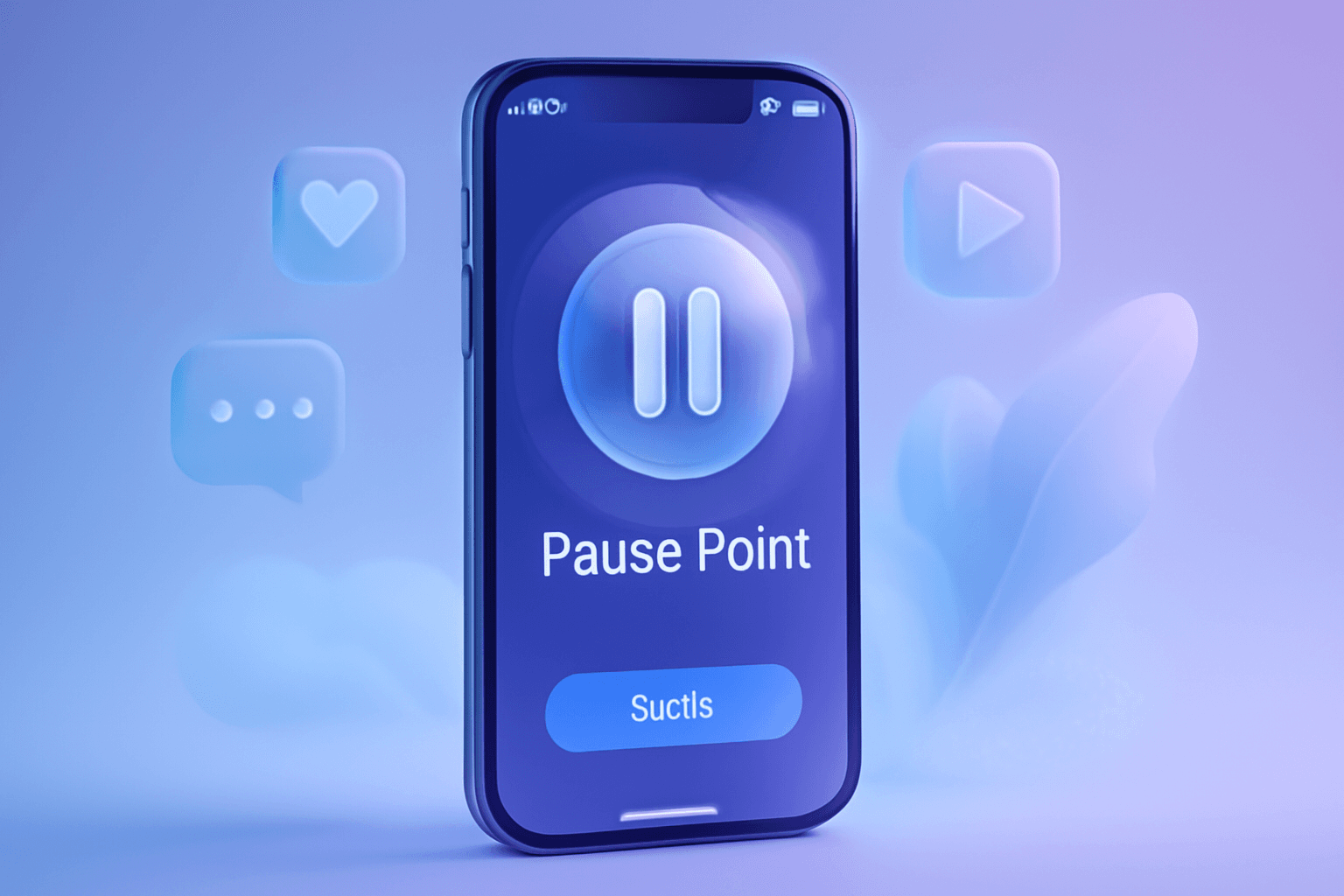
Google's recent unveiling of the Pixel 11 series has sparked considerable discussion within the tech community. While the new devices come equipped with several promising features, one aspect has drawn particular attention and criticism: the exclusivity of the Pause Point feature from Android 17. This Digital Wellbeing tool is designed to help users manage their app usage but is currently only available on the Pixel 11, raising questions about accessibility and user expectations.
What is the Pause Point Feature?
Pause Point is a new addition to Android 17's suite of Digital Wellbeing tools. This feature prompts users to think twice before opening apps that may lead to distractions. By encouraging a moment of reflection, it aims to foster healthier digital habits. The idea is simple yet effective: before diving into potentially time-consuming applications, users are given a nudge to reconsider their choices. This aligns with a growing trend in technology focused on promoting mental health and well-being in an increasingly digital world, where distractions are just a tap away.
Exclusivity Sparks Controversy
Despite being touted as a key feature of Android 17, the decision to limit Pause Point to the Pixel 11 series has not gone unnoticed. Many users expected this functionality to be available across a broader range of devices running Android 17, leading to disappointment and frustration. Critics have pointed out that this move contradicts the spirit of Android's open ecosystem, where features are typically accessible to a wide array of devices. The backlash from the community highlights a fundamental expectation among Android users: that innovations should be inclusive rather than exclusive. This sentiment is particularly strong among those who have invested in other Android devices, as they feel sidelined by Google's decision to restrict access to this potentially beneficial tool.
Other Notable Features of the Pixel 11
Beyond the controversial Pause Point, the Pixel 11 series introduces several noteworthy enhancements that aim to elevate the user experience. Users can look forward to:
- Improved Camera Controls: The Pixel 11 offers better tone adjustments for photos, enhancing the overall photography experience. This improvement is particularly significant for photography enthusiasts who rely on their smartphones to capture high-quality images. With advanced algorithms and AI enhancements, the Pixel 11 promises to deliver stunning results that can rival dedicated cameras.
- Tap-to-Share: This new feature allows for quicker sharing of files and media between devices, streamlining the user experience. In a world where sharing content seamlessly is vital, this functionality positions the Pixel 11 as a convenient option for users who frequently exchange information with friends or colleagues.
- Real-Time Translations: The ability to translate podcasts and videos in real-time adds a layer of convenience for multilingual users. This feature not only broadens the accessibility of content but also reflects Google's commitment to breaking down language barriers in an increasingly globalized society.
Community Reactions
The tech community's reaction to the Pixel 11's exclusivity has been mixed. While some users appreciate the advancements in camera technology and sharing capabilities, others feel let down by the limited availability of the Pause Point feature. Many have taken to social media platforms to express their dissatisfaction, with some calling it a significant misstep for Google. The discourse surrounding this issue highlights a broader conversation about user rights and expectations in the tech landscape. As consumers become more aware of their choices, they are increasingly vocal about what they want from their devices and the companies that produce them.
Implications for Future Android Updates
Google's decision to restrict the Pause Point feature raises questions about future updates and the distribution of new functionalities. If core features of Android 17 are only available to select devices, it could lead to fragmentation within the Android ecosystem. Users may start to feel that they are missing out on essential tools simply because they own a different model. This fragmentation could ultimately undermine the unity of the Android platform, which has always prided itself on its versatility and wide-ranging compatibility.
The Bigger Picture
As technology continues to evolve, the balance between exclusivity and accessibility remains a pivotal challenge for companies like Google. While the Pixel 11 series showcases innovative features, the backlash regarding Pause Point serves as a reminder of the need for inclusivity in software updates. Ultimately, users should be able to benefit from advancements regardless of their device model. This situation underscores the importance of considering user feedback in product development and feature rollout. As Google navigates these waters, it will be crucial to consider how to best serve its diverse user base while continuing to innovate in the mobile space.
Conclusion
In summary, while the Pixel 11 series introduces several exciting features, the limitation of the Pause Point tool to this specific model has sparked a debate about user expectations and the principles of the Android platform. As Google navigates these waters, it will be crucial to consider how to best serve its diverse user base while continuing to innovate in the mobile space. The company's future strategies will likely be influenced by this feedback, as they strive to maintain their reputation as a leader in mobile technology while ensuring that all users feel valued and included.
Key Highlights
- Google's Pixel 11 series introduces the Pause Point feature.
- Pause Point is designed to help users manage app distractions.
- The feature is currently exclusive to the Pixel 11, causing user backlash.
- Critics argue that this exclusivity undermines Android's open ecosystem.
- Other notable Pixel 11 features include improved camera controls and Tap-to-Share.
- Community reactions are mixed, with some praising the innovations and others expressing disappointment.
- The exclusivity of Pause Point raises questions about future Android updates and inclusivity.
Expert Analysis
Technical Analysis
The Pause Point feature is part of Android 17's Digital Wellbeing tools, designed to help users manage their app usage by prompting them to reconsider their choices before engaging with potentially distracting applications. This feature operates by providing a moment of reflection, which aligns with the growing emphasis on mental health in technology. By encouraging users to think twice about their digital habits, Pause Point aims to foster healthier interactions with their devices.
However, the exclusivity of this feature to the Pixel 11 series raises concerns about accessibility and the principles of the Android ecosystem. Traditionally, Android features are made available across a wide range of devices, promoting inclusivity. The decision to limit Pause Point to a single device series may lead to fragmentation within the Android community, as users of other devices feel sidelined and deprived of beneficial tools. This exclusivity could undermine the user experience and expectations associated with the Android platform, which has historically prided itself on versatility and broad compatibility.
Advantages
- Encourages healthier digital habits by prompting users to reflect before opening distracting apps.
- Improved camera controls enhance photography experiences for users.
- Tap-to-Share feature streamlines file sharing between devices.
- Real-time translations make content more accessible for multilingual users.
Disadvantages
- Exclusivity of the Pause Point feature limits access for users of other Android devices.
- Potential fragmentation within the Android ecosystem as users feel excluded from core features.
Real-World Use Cases
- Individuals can use Pause Point to reduce distractions from social media and gaming apps.
- Businesses can leverage improved camera controls for marketing and promotional content.
- Developers can utilize Tap-to-Share to enhance app functionalities that require quick file transfers.
- Educators can use real-time translations to make learning materials accessible to non-native speakers.
Business Impact
The backlash against the exclusivity of the Pause Point feature may impact Google's reputation within the Android community, as users express dissatisfaction over perceived inequities in feature availability. This could influence how Google approaches future updates and feature rollouts, potentially leading to a more inclusive strategy to maintain user loyalty. Competitors may capitalize on this opportunity by promoting their devices as more user-friendly and accessible, which could shift market dynamics in favor of brands that prioritize inclusivity.
Additionally, the controversy surrounding Pause Point could open revenue opportunities for Google if they decide to expand this feature to more devices, potentially increasing user engagement and satisfaction across the Android ecosystem.
User Impact
Ordinary users who own devices outside the Pixel 11 series may feel frustrated and excluded from the benefits of the Pause Point feature, which could lead to dissatisfaction with their current devices. This situation highlights the importance of inclusivity in technology, as users increasingly expect access to innovative features regardless of their device model. For those considering an upgrade, the Pixel 11 may appear attractive due to its new features, but the exclusivity issue could deter some users from making the switch, especially if they feel their current devices are being neglected.
Security & Privacy
Security and privacy analysis not applicable.
Future Outlook
In the near term, Google may need to address the backlash by considering broader access to the Pause Point feature in future updates. This could involve rolling out the feature to more devices running Android 17 to mitigate user dissatisfaction and prevent fragmentation within the ecosystem. Additionally, as user feedback becomes increasingly influential, Google may shift its strategy to prioritize inclusivity in its product development and feature deployment, ensuring that innovations are accessible to a wider audience.
Looking ahead, the tech community will likely keep a close eye on how Google navigates this situation, as it could set a precedent for how future features are distributed across the Android platform. The balance between innovation and accessibility will remain a critical focus for Google as it seeks to maintain its leadership in mobile technology.
Expert Summary
The controversy surrounding the exclusivity of the Pause Point feature in the Pixel 11 series is a significant issue that highlights the ongoing tension between innovation and accessibility in the tech industry. Stakeholders, including users, developers, and competitors, should pay attention to how Google responds to this backlash, as it could shape the future of feature distribution within the Android ecosystem. Overall, this situation underscores the importance of user feedback in guiding product development and maintaining a cohesive user experience across diverse devices.
Originally reported by Android Authority.



