
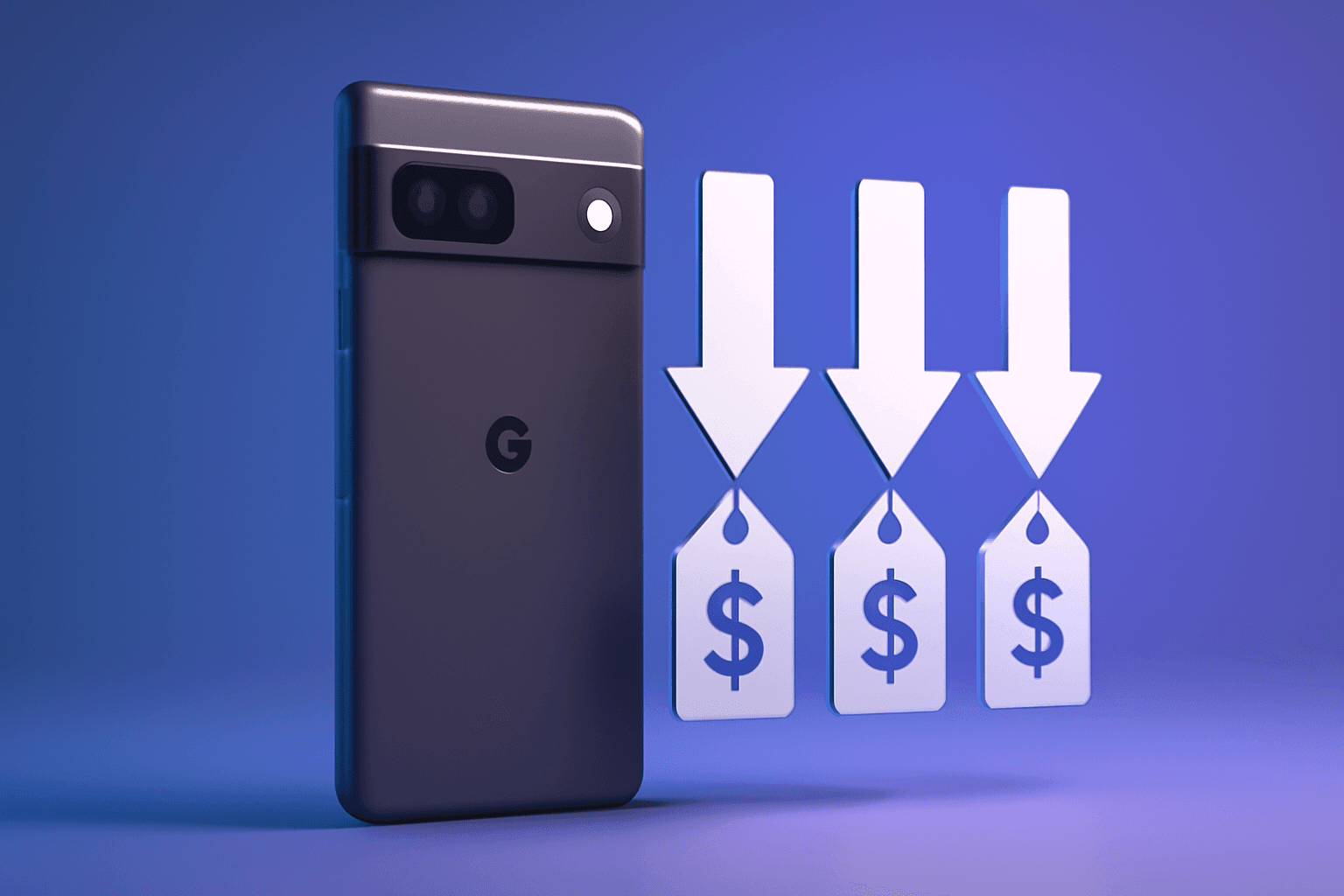
The excitement surrounding the launch of the Pixel 11 series has been palpable, but for those considering trading in their old devices, recent changes in trade-in values may dampen that enthusiasm. The Google Store has officially announced a reduction in the trade-in values for the Pixel 11 lineup, which could affect consumers looking to upgrade their smartphones. In a competitive market where consumers are constantly seeking the best value for their money, these changes warrant a closer examination.
Understanding the Trade-In Value Changes
As of September, the Google Store has implemented new trade-in values that are, on average, up to $150 lower than previous amounts. While this figure represents the maximum decrease, most adjustments hover around a more modest $50 reduction. This change comes as the promotional launch-window bonuses, which offered increased trade-in values for certain devices, have come to an end. Such promotional periods are typically designed to stimulate sales and encourage consumers to upgrade, but the conclusion of these bonuses has left many potential buyers feeling the pinch.
Impact of Trade-In Values on Consumers
The revised trade-in values are particularly relevant for consumers who were considering trading in their existing smartphones to offset the cost of a new Pixel 11. For instance, the trade-in value for a Pixel 10 Pro Fold reached as high as $1,000 during the promotional period. However, with the new values in effect, potential buyers may find themselves receiving significantly less for their trade-ins. This shift not only affects individual purchasing decisions but also highlights the broader implications for consumer behavior in the smartphone market.
Details on New Trade-In Values
According to reports, the Google Store has updated its trade-in values for various Pixel models, including the Pixel 11, 11 Pro, 11 Pro XL, and 11 Pro Fold. The adjustments have been made to reflect the end of the previous promotional offers that incentivized consumers to upgrade. As a result, those who delayed their trade-in may now face a less favorable financial outcome. Understanding these new values is crucial for consumers who may have been holding off on upgrading, as the financial landscape has shifted considerably.
Why Trade-In Values Matter
Trade-in values are a crucial factor for many consumers when considering a smartphone upgrade. They can significantly reduce the out-of-pocket expense associated with purchasing a new device. With the Pixel 11 series being positioned as a premium offering, the difference in trade-in values could influence buying decisions for tech enthusiasts and everyday users alike. In a market where consumers are increasingly price-sensitive, the perceived value of trade-ins can make or break a sale.
What to Consider Before Trading In
If you are contemplating a trade-in for the Pixel 11 series, it's essential to weigh the current trade-in values against your device's condition and market value. It may also be worth exploring other trade-in programs or selling options that could provide a better return. Here are a few tips to consider:
- Assess the condition of your device to ensure you receive the best possible value.
- Compare trade-in offers from different retailers to maximize your return.
- Consider timing; waiting for future promotions may yield better trade-in values.
- Research the resale market to understand what similar devices are fetching.
- Evaluate whether selling your device privately could yield a higher return than a trade-in.
Conclusion: Timing is Key
The recent reduction in trade-in values at the Google Store serves as a reminder of the importance of timing in the smartphone market. For those who were on the fence about upgrading to the Pixel 11, the new lower trade-in values could mean a more significant financial burden. As the tech landscape continues to evolve, consumers should stay informed about trade-in programs and promotional offers to make the most of their upgrade experience. In an industry characterized by rapid advancements and shifting consumer preferences, being proactive about trade-in options can lead to substantial savings and a more satisfying purchasing experience.
Key Highlights
- Google Store has reduced trade-in values for the Pixel 11 series.
- Trade-in values are up to $150 lower than previous amounts.
- Most reductions are closer to $50, affecting many consumers.
- Promotional bonuses for trade-ins have ended as of September.
- The Pixel 10 Pro Fold had a trade-in value of up to $1,000 during promotions.
- New values apply to Pixel 11, 11 Pro, 11 Pro XL, and 11 Pro Fold.
- Consumers should assess their device's condition before trading in.
Expert Analysis
Technical Analysis
The technology involved in the Pixel 11 trade-in program primarily revolves around the assessment and valuation of used smartphones. This process typically includes evaluating the condition of the device, its market demand, and the historical trade-in values offered by the retailer. The trade-in program is designed to provide consumers with a financial incentive to upgrade to newer models by offsetting the cost of a new device with the value of their old one. However, the recent reduction in trade-in values indicates a shift in this dynamic, where consumers may receive significantly less for their devices compared to previous promotional periods.
The trade-in values are influenced by various factors, including the lifecycle of the smartphone models, market competition, and consumer behavior. The end of promotional bonuses that previously inflated trade-in values has led to a more conservative approach in pricing. This change presents a challenge for consumers who rely on trade-ins to minimize their upgrade costs, as it may deter them from purchasing the latest models if the perceived value of their current devices has diminished. While the trade-in program offers a convenient way to upgrade, the limitations imposed by reduced values could lead to a decline in consumer confidence and purchasing activity in the smartphone market.
Advantages
- Provides consumers with a way to offset the cost of a new Pixel 11 by trading in their old devices.
- Encourages consumers to upgrade to newer models, potentially increasing sales for Google.
- Simplifies the upgrade process by allowing consumers to trade in their devices directly through the Google Store.
- Can lead to substantial savings for consumers who carefully assess their trade-in options.
Disadvantages
- Recent reductions in trade-in values may discourage consumers from upgrading to the Pixel 11.
- Consumers may receive significantly lower trade-in values compared to previous promotional periods.
- Potential buyers may feel a financial burden due to decreased trade-in values.
Real-World Use Cases
- Consumers looking to upgrade to the Pixel 11 can trade in their old devices to reduce the overall cost.
- Tech enthusiasts who frequently upgrade their smartphones can evaluate trade-in values to maximize their returns.
- Individuals considering alternative selling options can compare trade-in values with private sale prices to make informed decisions.
- Retailers can use updated trade-in values to adjust their marketing strategies and promotional offers.
Business Impact
The reduction in trade-in values could have a notable impact on Google's sales strategy for the Pixel 11 series. As consumers become more price-sensitive, the perceived value of trade-ins may influence their purchasing decisions, potentially leading to lower sales volumes than anticipated. Competitors may capitalize on this situation by offering more attractive trade-in programs or promotional incentives, which could further shift market dynamics. Overall, the adjustment in trade-in values presents both challenges and opportunities for Google as it navigates a competitive smartphone landscape.
Moreover, the smartphone industry is characterized by rapid technological advancements and evolving consumer preferences. As companies adapt to these changes, the trade-in values will likely play a crucial role in shaping marketing strategies and consumer engagement efforts, creating new revenue opportunities for businesses that can effectively leverage trade-in programs.
User Impact
Ordinary users who are considering upgrading to the Pixel 11 may find themselves at a disadvantage due to the lowered trade-in values. This change could lead to increased out-of-pocket expenses for those looking to purchase the latest model, potentially discouraging upgrades. However, tech-savvy consumers who are aware of the trade-in landscape and actively compare offers may still find ways to maximize their returns. Overall, while the trade-in program remains a valuable tool for many, the recent adjustments suggest that users should be more strategic and informed about their options before making a decision to upgrade.
Security & Privacy
Security and privacy analysis not applicable.
Future Outlook
In the near term, it is likely that Google and other smartphone manufacturers will closely monitor consumer reactions to the revised trade-in values. If sales are negatively impacted, we may see a return of promotional trade-in bonuses or new incentives designed to stimulate consumer interest. Additionally, as the smartphone market continues to evolve, companies may explore innovative trade-in models that offer greater flexibility and value to consumers, potentially reshaping the competitive landscape.
Furthermore, as consumers become increasingly aware of the importance of trade-in values, manufacturers may need to enhance their communication strategies regarding these programs. This could lead to more transparent and consumer-friendly trade-in processes, fostering greater trust and engagement in the long run.
Expert Summary
The recent changes in trade-in values for the Pixel 11 series highlight a significant shift in the smartphone upgrade landscape. Consumers should pay close attention to these developments, as they could influence purchasing decisions and overall market dynamics. For both consumers and businesses, understanding the implications of trade-in values is crucial for navigating the evolving tech landscape. Overall, this news serves as a reminder of the importance of timing and market awareness in the consumer electronics industry.
Originally reported by Android Authority.



