
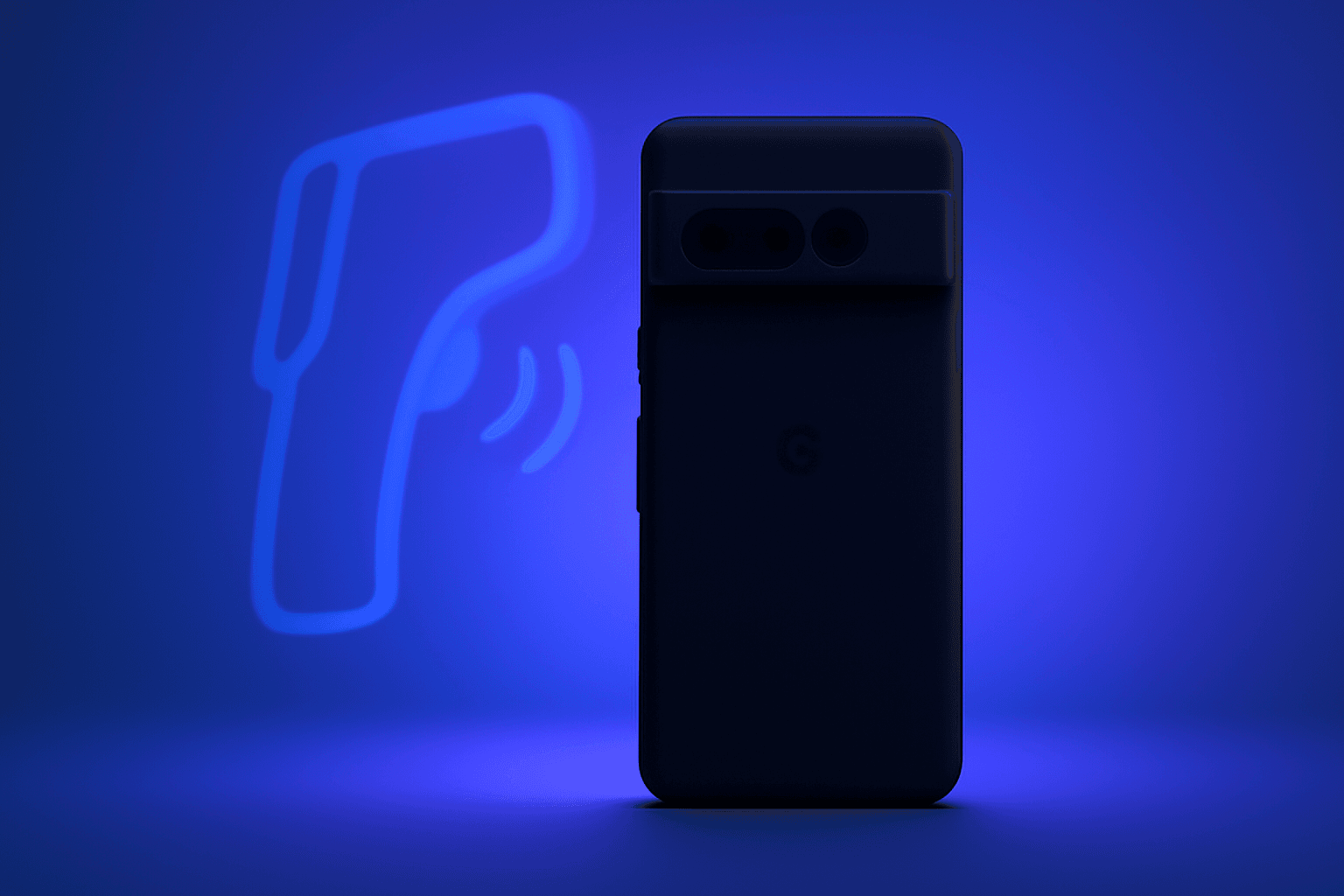
In a surprising turn of events, Google has decided to remove the infrared thermometer feature from its Pixel 11 series, a decision that has left many users, including this author, reflecting on the unexpected utility of this seemingly gimmicky tool. Initially introduced with the Pixel 8 Pro, the thermometer was met with skepticism, yet it found its place in the daily lives of some users, proving that even the quirkiest features can serve a purpose.
The Introduction of the Infrared Thermometer
When the Pixel 8 Pro was launched, it came equipped with an infrared thermometer, a feature that many considered unnecessary. The general consensus was that it was a pandemic-era gimmick, introduced at a time when health concerns were at the forefront of consumer minds. Critics argued that the thermometer felt like a last-minute addition, as if Google included it simply to say, 'Why not?' However, as time passed, some users began to discover its practical applications.
The introduction of the infrared thermometer was emblematic of a time when smartphones were evolving to meet the demands of a changing world. The COVID-19 pandemic had heightened awareness around health and hygiene, and in this context, the thermometer seemed to resonate with consumers' needs. It was not just about measuring temperature; it was about providing a sense of control and reassurance in uncertain times. This feature, while initially dismissed, became a symbol of how technology could adapt to meet new challenges.
Unexpected Utility in Everyday Life
Despite initial doubts, the infrared thermometer proved to be more useful than many anticipated. Users found themselves using it to check the temperature of food, beverages, and even the environment around them. It turned out to be a handy tool for quick readings, offering convenience that was often overlooked. The thermometer's presence on the Pixel 8 Pro became a quirky yet functional feature that set it apart from other smartphones.
This unexpected utility highlights an important aspect of technology: the potential for features to evolve beyond their intended purpose. For instance, parents found it useful for checking the temperature of their children's food, ensuring that meals were safe to eat. Home cooks used it to achieve perfect temperatures for cooking, while others employed it to monitor the temperature of their homes during extreme weather. The infrared thermometer became a small but significant part of daily life, illustrating how technology can seamlessly integrate into our routines.
The HiLight Notification Light: A New Addition
With the introduction of the Pixel 11 series, Google has opted to replace the infrared thermometer with the HiLight notification light. This new feature aims to provide users with a more visually engaging way to receive alerts. The HiLight notification light is designed to offer a customizable and dynamic way to indicate notifications, enhancing user interaction with the device. While the HiLight notification light may also be seen as gimmicky, it represents a shift in focus for Google as they look to innovate within their smartphone lineup.
In an age where smartphones are increasingly becoming extensions of our identities, the HiLight notification light offers a fresh take on how we interact with our devices. It allows users to personalize their notification experience, creating a more engaging and visually appealing way to stay connected. However, the question remains: will this new feature resonate with users in the same way the infrared thermometer did?
Reflecting on the Loss
The decision to eliminate the infrared thermometer has sparked mixed feelings among users. For some, it was merely a novelty, while for others, it became an integral part of their daily routine. As someone who found genuine use for the thermometer, I can't help but feel a sense of loss. The removal of such a unique feature serves as a reminder that even the most unconventional tools can find their place in our lives.
This sentiment is echoed by many who appreciated the practicality of the thermometer. It was a feature that not only distinguished the Pixel 8 Pro from its competitors but also provided tangible benefits. As we move forward into a new era of smartphone technology, it’s essential to acknowledge the value of these unique features that may not fit the traditional mold but offer real-world applications.
The Role of Gimmicks in Technology
This situation raises an interesting question about the role of gimmicky features in technology. While many features may initially seem unnecessary, they can often provide unexpected benefits. The infrared thermometer was a prime example of how a product can evolve from a perceived novelty to a practical tool. As technology continues to advance, it is crucial to recognize the potential value of these unique features before they disappear.
In the fast-paced world of tech, where innovation is key, it’s easy to overlook features that don’t fit neatly into the mainstream narrative of functionality. Yet, as seen with the infrared thermometer, such features can resonate with users in profound ways. They challenge the status quo, encouraging manufacturers to think outside the box and explore new possibilities. As consumers, we should advocate for the inclusion of unique features that may seem gimmicky at first but could ultimately enrich our experiences.
Conclusion: A Bittersweet Farewell
The removal of the infrared thermometer from the Pixel 11 series marks the end of an era for a feature that was both strange and surprisingly useful. As Google shifts its focus to new innovations like the HiLight notification light, one can't help but feel nostalgic for the quirky tools that once made smartphones unique. While the future may hold exciting advancements, the humble infrared thermometer will be missed by those who found joy in its unexpected utility.
In conclusion, as we embrace the new features that come with each smartphone iteration, let us not forget the value of the unconventional. The infrared thermometer may have been a fleeting moment in smartphone history, but it serves as a reminder that sometimes, the most unexpected features can leave a lasting impact on our lives.
Key Highlights
- Google has removed the infrared thermometer feature from the Pixel 11 series.
- The thermometer was initially seen as a pandemic-era gimmick upon its introduction.
- Despite skepticism, many users found practical uses for the thermometer in daily life.
- The new HiLight notification light replaces the infrared thermometer in the Pixel 11 series.
- The removal of the thermometer has sparked mixed feelings among users.
- This situation highlights the often-overlooked value of unconventional smartphone features.
- Gimmicky features can evolve into practical tools, enhancing user experience.
- The departure of the infrared thermometer serves as a reminder of the uniqueness of smartphones.
Expert Analysis
Technical Analysis
The Pixel 8 Pro's infrared thermometer utilized non-contact infrared technology to measure surface temperatures, providing users with a quick and convenient way to gauge temperature without physical contact. This technology works by detecting the infrared radiation emitted by objects, allowing the device to calculate temperature based on the intensity of that radiation. While initially perceived as a gimmick, the thermometer found practical applications in everyday life, such as checking food temperatures and monitoring environmental conditions. Its integration into a smartphone highlighted an innovative approach to addressing health concerns during the pandemic, showcasing how technology can adapt to meet evolving consumer needs.
However, the infrared thermometer also had limitations, such as its reliance on ambient conditions for accurate readings and potential inaccuracies when measuring reflective surfaces. As Google transitions to the HiLight notification light in the Pixel 11 series, it reflects a shift in focus towards features that enhance user interaction rather than health-related functionalities. While the HiLight light offers a customizable notification experience, it lacks the tangible utility that the thermometer provided, raising questions about the balance between innovation and practical application in future smartphone designs.
Advantages
- Provided a quick and convenient way to measure temperatures without contact.
- Served practical purposes such as checking food safety and monitoring environmental conditions.
- Differentiated the Pixel 8 Pro from competitors with a unique feature.
- Addressed consumer health concerns during the pandemic, offering reassurance.
Disadvantages
- No major disadvantages reported yet.
Real-World Use Cases
- Parents checking the temperature of their children's food to ensure safety.
- Home cooks using the thermometer to achieve precise cooking temperatures.
- Individuals monitoring room temperatures during extreme weather conditions.
- Users checking the temperature of beverages before consumption.
Business Impact
The removal of the infrared thermometer from the Pixel 11 series may impact Google's competitive edge, as unique features can attract consumers looking for innovative technology. By replacing it with the HiLight notification light, Google appears to be focusing on enhancing user engagement, which could appeal to a different segment of the market. However, the loss of a distinctive feature may lead to a perception that the Pixel line is becoming more conventional, potentially affecting its appeal to tech enthusiasts who value innovation.
Additionally, this shift could open opportunities for competitors to introduce similar or improved health-related features in their devices, potentially reshaping the smartphone landscape as companies seek to differentiate themselves in a crowded market.
User Impact
The removal of the infrared thermometer may leave some users disappointed, particularly those who found genuine utility in its functionality. For everyday consumers, the loss of this feature may not significantly impact their smartphone experience, especially as they adapt to new innovations like the HiLight notification light. However, for those who appreciated the practicality of the thermometer, its absence may be felt as a loss of a unique tool that added value to their daily routines.
Ordinary users should care about this shift as it reflects broader trends in smartphone design, where features are increasingly focused on user engagement rather than practical applications. Whether the HiLight notification light resonates with users in the same way remains to be seen, but it highlights the ongoing evolution of smartphone technology and user expectations.
Security & Privacy
Security and privacy analysis not applicable.
Future Outlook
In the near term, the smartphone industry may continue to prioritize features that enhance user interaction and personalization, as seen with the introduction of the HiLight notification light. This trend suggests a potential shift away from health-related functionalities towards more visually engaging and customizable experiences. As manufacturers explore new innovations, there may be opportunities to integrate unique features that resonate with users on a practical level, potentially leading to a resurgence of unconventional tools in future devices.
As consumer preferences evolve, it will be crucial for companies like Google to balance the introduction of novel features with the retention of those that provide tangible benefits. The challenge will be to innovate while ensuring that new offerings do not sacrifice utility for the sake of novelty.
Expert Summary
The decision to remove the infrared thermometer from the Pixel 11 series is a notable shift in Google's approach to smartphone features, reflecting changing consumer preferences and market dynamics. This news matters to both consumers and industry observers, as it underscores the importance of balancing innovation with practical utility in technology. As the smartphone landscape evolves, stakeholders should pay attention to how these shifts impact user experiences and the competitive landscape, ultimately shaping the future of mobile technology.
Originally reported by Android Authority.



