
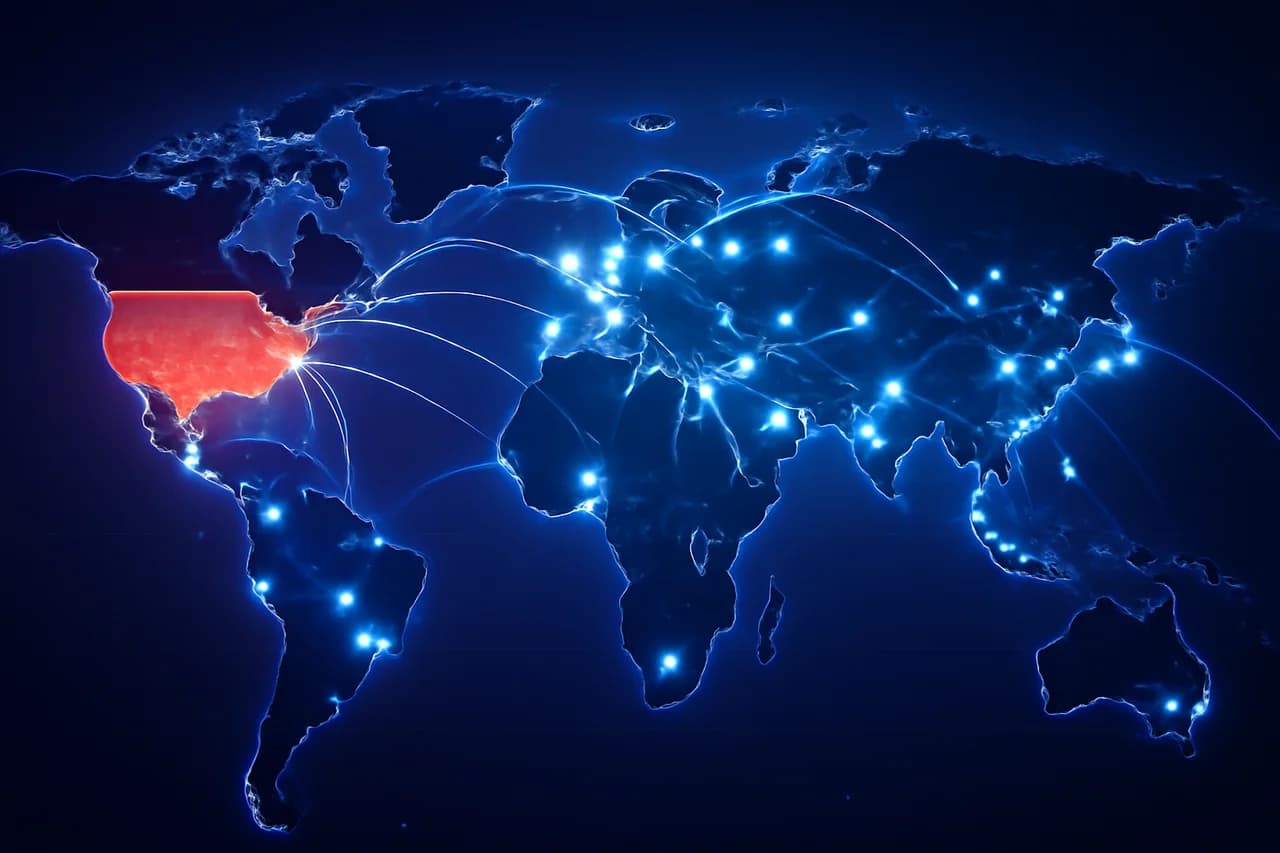
The landscape of cybersecurity continues to evolve, with a recent Remote Monitoring and Management (RMM) phishing campaign illustrating the expansive reach of cyber threats. Initially believed to be primarily targeting Canada, this campaign has been revealed by research from ANY.RUN to have a much broader international scope, affecting 46 countries in total. The United States has emerged as the primary target, accounting for nearly half of the observed phishing activities.
Understanding RMM Phishing Campaigns
RMM phishing campaigns utilize Remote Monitoring and Management tools to compromise systems and gain unauthorized access. These tools, designed to provide IT support and management, can be manipulated by cybercriminals to infiltrate networks and harvest sensitive information. The deceptive tactics employed in these campaigns often involve impersonating legitimate organizations, thereby luring victims into providing personal data or downloading malicious software.
In this case, the campaign leveraged Canada Revenue Agency (CRA) tax forms as bait to attract unsuspecting individuals. By exploiting the tax season, when individuals are particularly engaged in financial matters, the attackers increased the likelihood of their phishing attempts being successful. This strategy underscores the importance of timing and context in cyber threats, as attackers often align their campaigns with significant events or deadlines.
Extent of the Threat
The research conducted by ANY.RUN has uncovered a staggering 601 cases linked to this phishing operation. This figure underscores the alarming prevalence of such cyber threats, particularly in a time when remote work and digital transactions are increasingly common. The campaign's ability to span multiple countries highlights the need for robust cybersecurity measures across borders. As remote work becomes a staple for many organizations, the attack surface for cybercriminals expands, making it imperative for businesses to prioritize cybersecurity.
Moreover, the rise in digital transactions has also contributed to the vulnerability of individuals and organizations alike. As more people conduct their financial affairs online, the potential for cybercriminals to exploit weaknesses in security systems has never been higher. This trend necessitates a heightened awareness of the tactics employed by attackers and the implementation of effective defenses.
US as the Primary Target
According to the findings, approximately 45% of the phishing activities were directed at the United States, making it the top geographic target in this campaign. This significant percentage raises concerns about the vulnerability of American businesses and individuals to such attacks. The fact that nearly half of the phishing attempts were aimed at a single country indicates a concentrated effort by cybercriminals to exploit perceived weaknesses in U.S. cybersecurity infrastructure.
Furthermore, the implications of this targeted approach extend beyond immediate financial losses. The potential for data breaches can lead to long-term reputational damage for businesses, loss of customer trust, and regulatory repercussions. As cyber threats continue to evolve, organizations must remain vigilant and proactive in their cybersecurity strategies to mitigate these risks.
International Implications
The global nature of this RMM phishing campaign emphasizes the interconnectedness of cybersecurity threats. With 46 countries affected, the implications extend beyond national borders, affecting international security and data protection efforts. Cybercriminals operate in a borderless digital landscape, making it essential for countries to collaborate in developing effective strategies to combat these threats and protect their citizens from cybercrime.
International cooperation can take various forms, including information sharing between governments and private sectors, joint cybersecurity exercises, and the establishment of global standards for cybersecurity practices. By fostering collaboration, countries can enhance their collective defenses against cyber threats and create a more secure digital environment for all.
Preventive Measures
In light of this ongoing threat, it is essential for organizations and individuals to adopt proactive cybersecurity measures. Here are some recommended steps to enhance protection against phishing attacks:
- Implement multi-factor authentication (MFA) to add an extra layer of security. MFA requires users to provide two or more verification factors to gain access to a resource, making it significantly harder for attackers to gain unauthorized access.
- Educate employees and users about recognizing phishing attempts and suspicious emails. Training sessions can help individuals identify red flags, such as unusual sender addresses or unexpected attachments.
- Regularly update software and security systems to protect against vulnerabilities. Keeping systems up-to-date ensures that the latest security patches are applied, reducing the risk of exploitation by cybercriminals.
- Utilize advanced threat detection tools to identify and mitigate potential attacks. These tools can analyze network traffic and user behavior to detect anomalies indicative of phishing or other malicious activities.
- Establish a response plan to address any phishing incidents swiftly. Having a clear plan in place can minimize the impact of a successful attack and ensure that organizations can respond effectively to mitigate damage.
Conclusion
The recent findings from ANY.RUN serve as a reminder of the persistent and evolving nature of cyber threats, particularly in the context of RMM phishing campaigns. With the United States as a primary target, it is crucial for all stakeholders to remain vigilant and take necessary precautions to safeguard sensitive data. As cybercriminals continue to refine their tactics, a proactive approach to cybersecurity will be essential in mitigating risks and protecting against future attacks. By prioritizing cybersecurity measures and fostering international cooperation, organizations can better defend against the ever-present threat of cybercrime.
Key Highlights
- A recent RMM phishing campaign spans 46 countries, targeting the US primarily.
- Approximately 45% of the phishing activities are linked to the United States.
- ANY.RUN's research identified 601 cases associated with this campaign.
- The campaign initially appeared focused on Canada using CRA tax forms.
- Cybersecurity measures are increasingly critical as remote work rises.
- International collaboration is necessary to combat global cyber threats.
- Organizations should implement multi-factor authentication and user education.
Expert Analysis
Technical Analysis
The recent RMM phishing campaign highlights the use of Remote Monitoring and Management (RMM) tools, which are typically employed by IT professionals to manage and support computer systems remotely. Cybercriminals exploit these tools to gain unauthorized access to networks, allowing them to harvest sensitive information. By impersonating legitimate organizations, such as the Canada Revenue Agency, attackers can lure victims into providing personal data or downloading malware, particularly during critical periods like tax season when individuals are more engaged in financial activities.
This campaign's technical sophistication lies in its ability to leverage timing and context, aligning phishing attempts with significant events to increase the likelihood of success. The extensive reach of this campaign, affecting 46 countries and resulting in 601 documented cases, underscores the growing threat landscape, particularly as remote work and digital transactions become more prevalent. The limitations of current cybersecurity measures are evident, as the concentrated targeting of the U.S. suggests vulnerabilities in its infrastructure that cybercriminals are keen to exploit.
Advantages
- Increased awareness of RMM phishing tactics and their implications for cybersecurity.
- Highlighting the need for robust cybersecurity measures across borders.
- Encouragement for organizations to adopt multi-factor authentication and other security practices.
- Emphasis on the importance of employee training to recognize phishing attempts.
Disadvantages
- No major disadvantages reported yet.
Real-World Use Cases
- Businesses can implement multi-factor authentication to enhance security against unauthorized access.
- Organizations can conduct training sessions to educate employees on identifying phishing attempts.
- IT departments can utilize advanced threat detection tools to monitor network traffic for anomalies.
- Companies can establish incident response plans to quickly address any phishing incidents.
Business Impact
The findings from ANY.RUN indicate a significant threat to U.S. businesses, with nearly half of the phishing activities targeting this market. This concentrated effort by cybercriminals could lead to substantial financial losses, data breaches, and reputational damage for companies. As organizations increasingly rely on digital transactions and remote work, the demand for enhanced cybersecurity solutions is likely to grow, presenting opportunities for businesses that provide security services and technologies.
Moreover, the international nature of this threat necessitates collaboration among countries, which could lead to the establishment of new cybersecurity standards and practices. This collaboration may foster innovation in security technologies and create new revenue streams for companies that can offer solutions to combat these evolving threats.
User Impact
Ordinary users stand to benefit from increased awareness and education regarding phishing attacks, as this knowledge can help them protect their personal data. The emphasis on proactive measures, such as multi-factor authentication and employee training, can enhance overall cybersecurity for individuals and businesses alike. However, users who are less informed or engaged in cybersecurity practices may remain vulnerable to such attacks, highlighting the importance of widespread education on recognizing and responding to phishing attempts.
Ultimately, as cyber threats continue to evolve, it is crucial for all users to adopt a proactive stance towards cybersecurity, making it worth their while to invest time and resources in understanding and implementing protective measures.
Security & Privacy
Security and privacy analysis not applicable.
Future Outlook
In the near term, we can expect an increase in cybersecurity awareness and the adoption of advanced security measures as organizations respond to the growing threat of phishing campaigns. The emphasis on international collaboration may lead to the development of standardized practices and technologies to combat cyber threats more effectively. Additionally, as cybercriminals refine their tactics, businesses will likely need to continuously adapt their defenses, potentially driving innovation in the cybersecurity sector.
Expert Summary
This news highlights the urgent need for enhanced cybersecurity measures in response to the evolving threat landscape posed by RMM phishing campaigns. Organizations, businesses, and individuals should pay close attention to these developments and prioritize their cybersecurity strategies. By fostering awareness and implementing robust defenses, stakeholders can better protect themselves against the persistent threat of cybercrime.
Originally reported by The Hacker News.



