
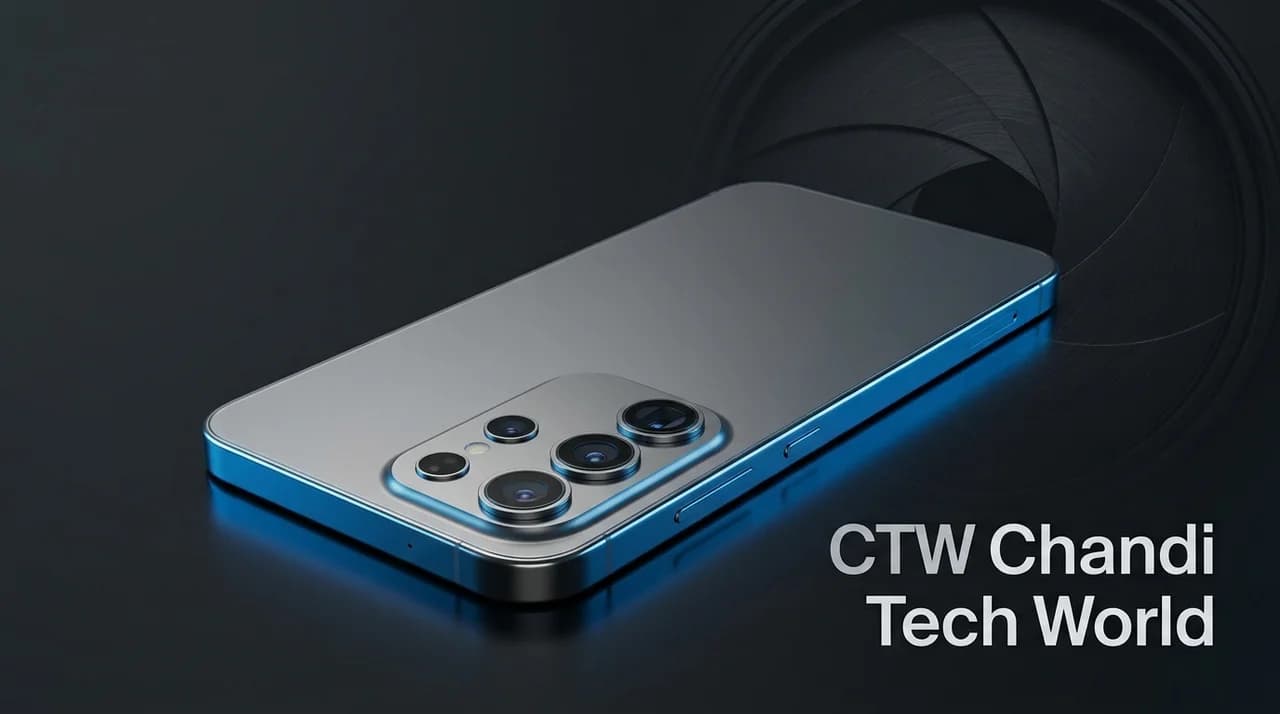
As anticipation builds for Samsung's Galaxy S27 Ultra, a recent report has revealed that the flagship smartphone will not include a variable aperture camera system, a feature that was last seen on the Galaxy Note 10. This decision has raised eyebrows among photography enthusiasts and could potentially give Apple's upcoming iPhone 18 Pro models a competitive edge in the market.
The Decision Not to Include Variable Aperture
According to sources cited by ET News, Samsung has determined that the benefits of incorporating a variable aperture camera do not outweigh the drawbacks. This marks a significant departure from earlier expectations that the Galaxy S27 Ultra would adopt this advanced camera technology. The variable aperture system allows for greater flexibility in capturing images under varying lighting conditions, making it a desirable feature for many photographers. The absence of this feature suggests that Samsung is taking a more conservative approach, focusing on reliability and performance rather than experimenting with new technologies that may not meet consumer expectations.
Impact on the Competition
The omission of the variable aperture feature in the Galaxy S27 Ultra may play into Apple's hands as it prepares to unveil the iPhone 18 Pro. Rumors suggest that the iPhone 18 Pro will feature a similar camera system, which could attract consumers who prioritize photography capabilities in their smartphones. With the smartphone market becoming increasingly competitive, every feature counts. Apple has consistently marketed its devices as premium photography tools, and the introduction of a variable aperture system in the iPhone 18 Pro could further solidify its position in this space. The battle for supremacy in smartphone photography is intensifying, and Samsung's decision may inadvertently bolster Apple's strategy.
Camera Specifications of the Galaxy S27 Ultra
In addition to dropping the variable aperture, the Galaxy S27 Ultra is expected to feature only three rear cameras, contrary to earlier speculation that it would include a 3x camera. This decision reflects Samsung's strategic focus on optimizing existing camera technologies rather than introducing new, unproven features. By concentrating on fewer, high-quality lenses, Samsung aims to enhance the overall performance of the camera system. This approach may appeal to consumers who value image quality over an array of features that could complicate the user experience. The Galaxy S27 Ultra is anticipated to leverage advanced software processing capabilities to maximize the potential of its camera hardware, ensuring that users can still capture stunning photographs without the variable aperture system.
Mixed Reactions from Photography Enthusiasts
The news of the Galaxy S27 Ultra's camera specifications has elicited mixed reactions from photography enthusiasts. While some are disappointed by the absence of the variable aperture feature, others are hopeful that Samsung will still deliver a high-quality camera experience with the remaining features. The photography community is known for its passionate opinions, and this latest development is no exception. Some users argue that the variable aperture is essential for achieving the best results in diverse lighting conditions, while others believe that the existing technology can still produce excellent images. This divide highlights the varied priorities among smartphone users, with some focusing on technical specifications and others valuing ease of use and overall performance.
Shifting Focus to Upcoming Releases
As Samsung's new foldable devices begin to hit the shelves, attention is shifting towards the Galaxy S27 series. The company is known for its innovative technologies, and the S27 Ultra is expected to showcase some impressive upgrades, even without the variable aperture feature. Features such as improved low-light performance, enhanced optical zoom capabilities, and advanced computational photography techniques are anticipated to be key selling points. Consumers and tech enthusiasts alike are eager to see how Samsung will position its flagship in a market that increasingly values camera performance. The Galaxy S27 Ultra's success may hinge on its ability to deliver a compelling photography experience that resonates with users, particularly as competitors like Apple continue to push the envelope in smartphone camera technology.
Conclusion
The decision to exclude the variable aperture camera system from the Galaxy S27 Ultra is a notable shift in Samsung's approach to smartphone photography. As the competition heats up with the impending launch of the iPhone 18 Pro, Samsung will need to ensure that its camera capabilities remain robust to retain consumer interest. The Galaxy S27 series is set to launch early next year, and all eyes will be on how it performs in the ever-evolving landscape of smartphone technology. With consumers becoming increasingly discerning about camera quality, Samsung's ability to deliver a high-performing camera experience without the variable aperture feature will be crucial in maintaining its competitive edge.
Key Highlights
- Samsung's Galaxy S27 Ultra will not feature a variable aperture camera system.
- This feature was last seen on the Galaxy Note 10.
- The decision may benefit Apple's upcoming iPhone 18 Pro models.
- The Galaxy S27 Ultra is expected to have only three rear cameras.
- Photography enthusiasts have mixed reactions to the camera specifications.
- Samsung's focus is shifting towards optimizing existing camera technologies.
- The Galaxy S27 series is set to launch early next year.
Expert Analysis
Technical Analysis
The Galaxy S27 Ultra's camera system will not include a variable aperture feature, which allows for adjustments in the lens opening to optimize image capture in varying lighting conditions. This technology was previously featured in the Galaxy Note 10 and is often sought after by photography enthusiasts for its flexibility. Samsung's decision to omit this feature suggests a strategic pivot towards reliability and performance, focusing on existing technologies rather than introducing potentially unproven innovations. The company aims to enhance the overall camera experience through improved software processing and high-quality lens configurations.
By concentrating on a simpler camera setup with only three rear cameras, Samsung is likely attempting to optimize image quality while avoiding the complexities that a variable aperture system could introduce. This approach may resonate with consumers who prioritize straightforward usability and high-quality results over an extensive array of features. However, the absence of variable aperture technology could limit the camera's adaptability in challenging lighting conditions, which is a significant consideration for serious photographers.
Advantages
- Focus on reliability and performance rather than unproven technology.
- Enhanced overall camera performance through advanced software processing.
- High-quality lens configurations may appeal to consumers valuing image quality.
- Simplified user experience by avoiding complex features.
Disadvantages
- No major disadvantages reported yet.
Real-World Use Cases
- Casual photography for everyday users who prioritize ease of use.
- Professional photography where high-quality images are essential, albeit with some limitations in variable lighting.
- Content creation for social media where users seek reliable performance without complex settings.
- Business use in marketing and advertising where high-quality visuals are necessary.
Business Impact
Samsung's decision to exclude the variable aperture camera may impact its competitive positioning against Apple, especially with the upcoming iPhone 18 Pro rumored to feature this technology. As the smartphone market becomes increasingly competitive, the ability to offer superior camera capabilities can significantly influence consumer choice. This shift may open revenue opportunities for Apple, as photography enthusiasts might gravitate towards devices that promise enhanced photographic flexibility, potentially affecting Samsung's market share in the premium segment.
User Impact
Ordinary users may benefit from the Galaxy S27 Ultra's focus on reliable camera performance without the complexity of variable aperture settings. However, photography enthusiasts who value adaptability in diverse lighting conditions may find the absence of this feature disappointing. Overall, while the S27 Ultra may still deliver high-quality images, users should consider their specific photography needs when deciding whether to adopt this device.
Security & Privacy
Security and privacy analysis not applicable.
Future Outlook
In the near term, Samsung is expected to enhance its camera capabilities through improved low-light performance and advanced computational photography techniques. As the smartphone market continues to evolve, Samsung's ability to innovate within its existing framework will be crucial. The Galaxy S27 Ultra's success will likely depend on how well it can compete with rivals like Apple, particularly in terms of camera performance and user satisfaction.
Expert Summary
The decision to exclude the variable aperture camera system from the Galaxy S27 Ultra marks a significant shift in Samsung's approach to smartphone photography. This news is particularly relevant for photography enthusiasts and consumers considering their next smartphone purchase. As competition intensifies with Apple's upcoming offerings, Samsung must ensure that its camera capabilities remain robust to maintain consumer interest and market share.
Originally reported by Android Authority.



