
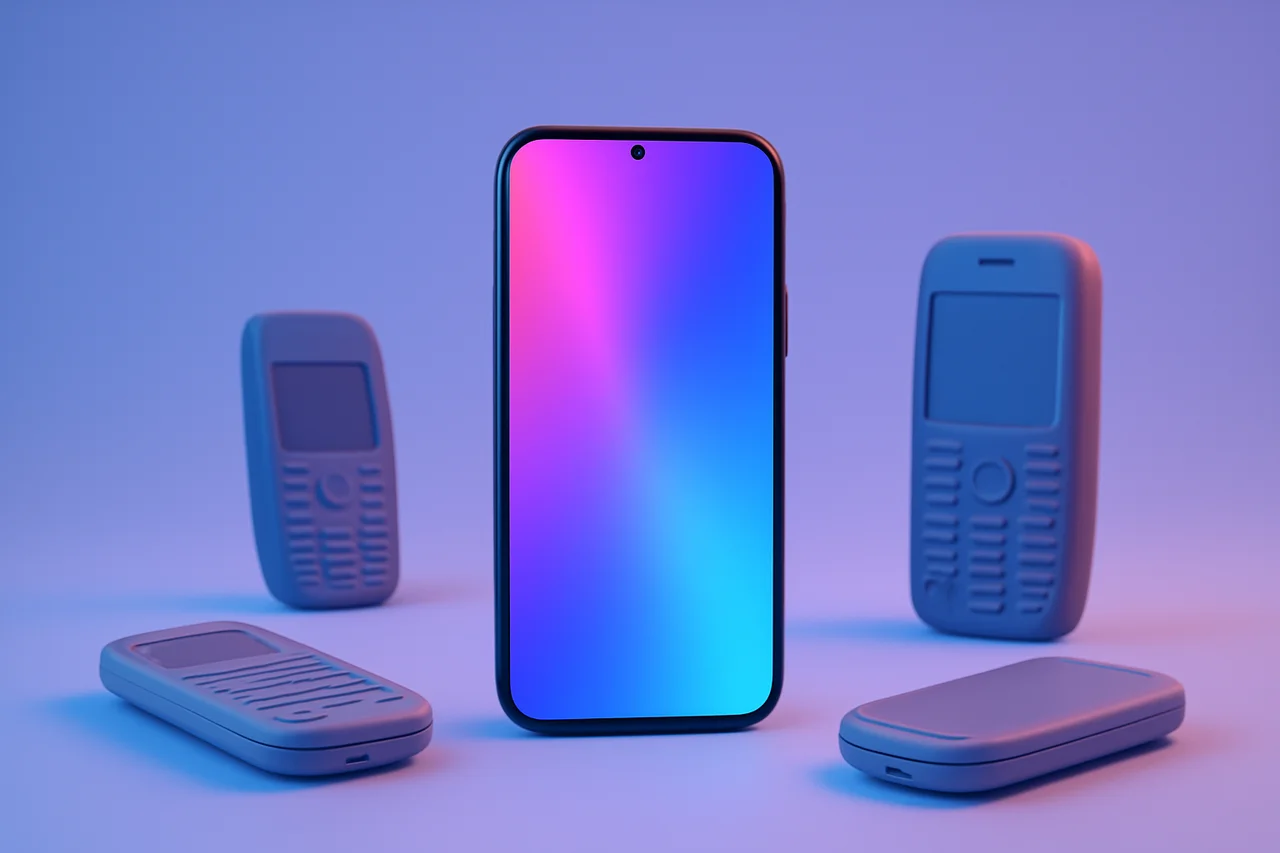
Samsung has long been a dominant player in the smartphone market, especially with its flagship Galaxy series. However, recent trends suggest that the company is struggling to maintain its once-unassailable position. As competitors continue to innovate and enhance their offerings, Samsung's flagship devices are increasingly being overshadowed, leading to a growing concern among consumers about the future of the brand's innovation.
The Changing Landscape of Smartphone Competition
In years past, Samsung's flagship smartphones were considered the gold standard in the Android ecosystem. They were the devices to beat, featuring cutting-edge technology and premium designs that set trends across the industry. However, the landscape has shifted dramatically. Brands like Xiaomi, OnePlus, and Google have introduced devices that not only match but often exceed Samsung's hardware specifications, even at lower price points. This shift is not merely a matter of pricing; it reflects a broader trend where value and performance are increasingly prioritized by consumers.
As these competitors gain traction, Samsung faces the dual challenge of maintaining its market share while also addressing the growing expectations of consumers who are now more informed and discerning than ever. The rapid pace of innovation from these brands has forced Samsung to reconsider its approach to product development and marketing, as consumers are no longer satisfied with incremental upgrades.
The Impact of Budget and Mid-Range Devices
One of the most striking developments in recent years is the rise of budget and mid-range smartphones that boast impressive features. Devices that cost significantly less than Samsung's flagships now offer high-resolution cameras, large batteries, and fast processors. For example, smartphones from brands like Xiaomi and OnePlus are equipped with features that were once exclusive to high-end models, such as advanced camera systems and robust performance metrics.
This has led to a perception that Samsung's offerings are becoming outdated, which could deter potential buyers from investing in their latest models. The increasing accessibility of high-quality smartphones means that consumers are less willing to pay a premium for a brand that does not consistently deliver groundbreaking innovations. As a result, Samsung must not only compete on specifications but also on perceived value, which is becoming a more critical factor in consumer purchasing decisions.
Consumer Expectations vs. Reality
Despite the evident consumer yearning for Samsung to innovate and reclaim its reputation, the reality is more complex. Many consumers express dissatisfaction with the perceived stagnation in Samsung's flagship devices. The desire for groundbreaking features and advancements is palpable, yet the company seems to be lagging behind competitors who are willing to take risks and push the boundaries of smartphone technology.
For instance, features such as foldable screens and advanced AI capabilities are now being explored by other manufacturers, leaving Samsung to play catch-up rather than lead the charge. This stagnation has led to a growing sentiment among consumers that Samsung is more focused on maintaining its existing product lines than on pioneering new technologies.
Sales Performance and Its Consequences
At the heart of the issue lies Samsung's sales performance. As the company struggles to maintain its market share, the focus may shift toward maintaining profitability rather than pursuing bold innovations. This shift can create a vicious cycle: declining sales lead to reduced investment in research and development, which in turn hampers innovation and further affects sales. The implications of this cycle are significant; without reinvestment into innovative technologies, Samsung risks falling further behind its competitors.
Moreover, the company's reliance on its flagship series for revenue means that any decline in sales can have a disproportionate impact on its overall financial health. This reliance may also stifle creativity within the organization, as the pressure to deliver immediate financial returns can overshadow the need for long-term strategic innovation.
The Future of Samsung Smartphones
Given the current trajectory, it appears that Samsung may be caught in a challenging position. The company's leadership will need to address the disconnect between consumer expectations and their product offerings. While many hope for a return to the brand's innovative roots, the reality is that significant changes may be necessary to reignite consumer interest and regain market leadership.
This could involve re-evaluating their product development strategy, investing in emerging technologies, and perhaps even redefining their brand message to resonate more with a consumer base that is increasingly looking for value and innovation.
Conclusion: A Call for Innovation
In conclusion, Samsung's flagship smartphones are at a crossroads. The company has a rich history of innovation that many consumers long to see revived. However, unless Samsung can address its sales challenges and reinvigorate its commitment to cutting-edge technology, it may continue to see its position eroded by more agile competitors. For now, the hope for a return to form remains just that—a hope. The challenge for Samsung will be to transform that hope into tangible action that meets the evolving needs of consumers in an increasingly competitive marketplace.
Key Highlights
- Samsung's flagship smartphones are losing their competitive edge.
- Budget devices from competitors often surpass Samsung's offerings.
- Consumer expectations for innovation from Samsung are high.
- Declining sales may limit Samsung's ability to innovate.
- The disconnect between consumer desires and Samsung's products is growing.
- Many hope for a revival of Samsung's innovative spirit.
Expert Analysis
Technical Analysis
Samsung's smartphones have historically been at the forefront of technological innovation, featuring advanced hardware and software capabilities that set industry standards. However, the current landscape shows that competitors like Xiaomi and OnePlus are now offering devices with comparable or superior specifications at lower price points. This shift highlights a growing consumer preference for value and performance over brand loyalty, suggesting that Samsung's traditional approach to innovation may no longer suffice in a rapidly evolving market.
The limitations of Samsung's current strategy are evident in its reliance on incremental upgrades rather than groundbreaking innovations. While the company has made strides in areas like foldable technology, it appears to be lagging behind competitors who are willing to take risks and explore new frontiers in smartphone technology. This stagnation not only affects consumer perception but also poses a risk to Samsung's market share and profitability, as the company may struggle to attract buyers who are increasingly discerning and informed about their options.
Advantages
- Samsung has a strong brand reputation built on years of innovation.
- Their flagship devices offer high-quality displays and robust performance.
- Samsung's ecosystem allows for seamless integration with other devices and services.
- The company has a wide range of products catering to different market segments.
Disadvantages
- Samsung's recent flagship devices are perceived as lacking groundbreaking innovations.
- The company faces intense competition from brands offering superior specifications at lower prices.
- Reliance on flagship series for revenue may stifle creativity and long-term innovation.
- Consumer dissatisfaction with perceived stagnation could lead to declining sales.
Real-World Use Cases
- Consumers looking for high-quality smartphones may consider alternatives that offer better value.
- Businesses needing reliable devices may reassess their loyalty to Samsung in favor of competitors.
- Developers may find opportunities in creating apps that leverage innovative features from rival brands.
Business Impact
Samsung's current challenges in maintaining market share could lead to significant shifts in the smartphone industry. As competitors continue to innovate, Samsung may need to reevaluate its product development and marketing strategies to remain relevant. This situation presents both risks and opportunities; if Samsung can successfully pivot and reinvest in innovation, it could reclaim its position as a market leader, but failure to adapt may result in further erosion of its market presence and profitability.
User Impact
Ordinary users may benefit from increased competition in the smartphone market, leading to better value and more innovative features across various brands. However, those who are loyal to Samsung may feel disappointed by the perceived stagnation in innovation. For consumers, this situation raises questions about whether to continue investing in Samsung products or explore alternatives that may offer more cutting-edge technology.
Security & Privacy
Security and privacy analysis not applicable.
Future Outlook
In the near term, Samsung will likely face pressure to innovate and respond to consumer demands for more advanced features. This could lead to a renewed focus on research and development, as well as potential collaborations with emerging technology firms. If Samsung can successfully align its product offerings with consumer expectations, it may regain its competitive edge, but the path forward will require significant strategic changes and a commitment to innovation.
Expert Summary
The current state of Samsung's smartphone innovation is a critical issue that stakeholders in the tech industry should monitor closely. As competition intensifies, Samsung's ability to adapt and innovate will determine its future success. This situation serves as a reminder of the importance of continuous innovation in technology and the need for established brands to remain responsive to changing consumer expectations.
Originally reported by Android Authority.



