
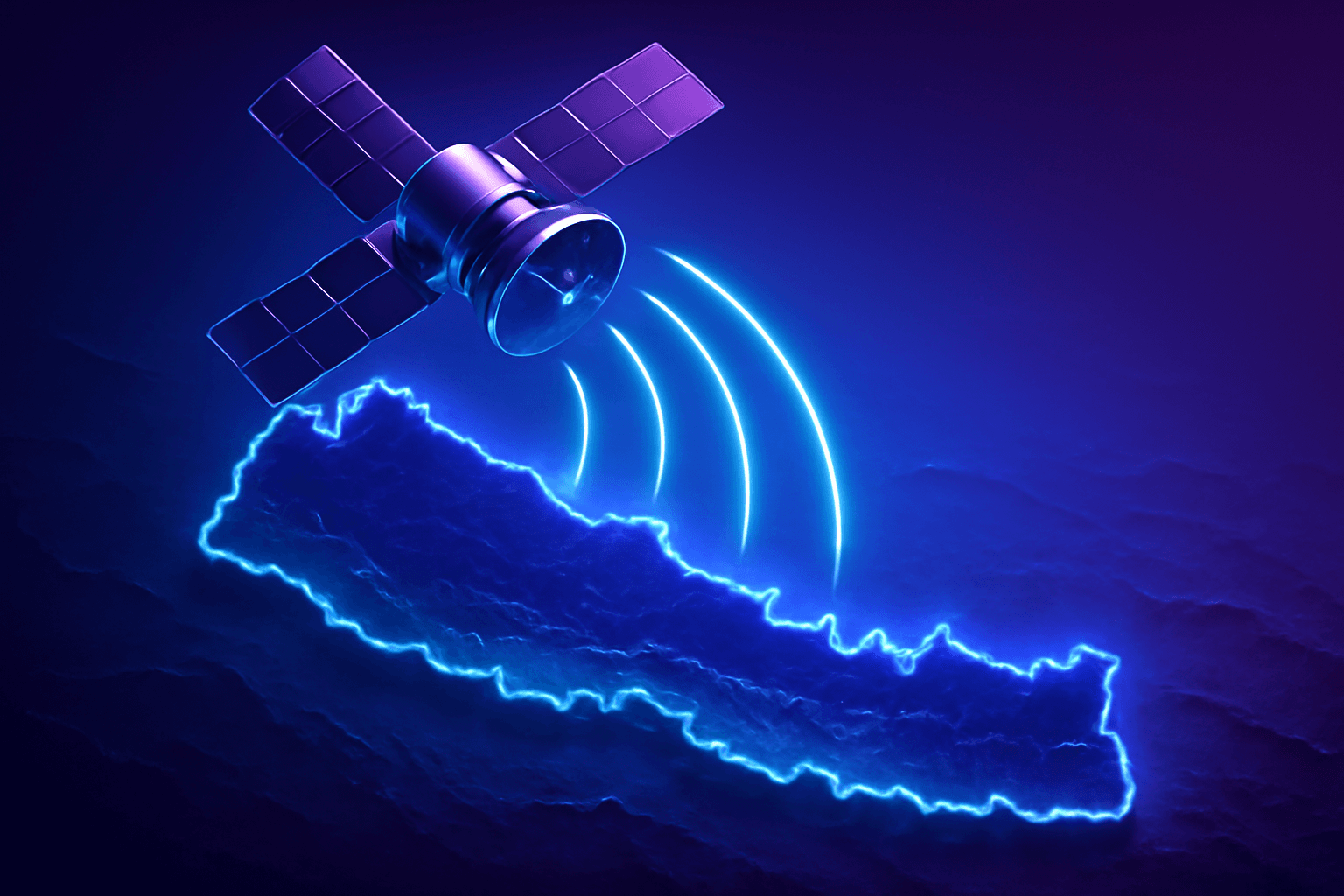
In recent news, the devastating floods in Nepal have highlighted the critical role that satellite connectivity can play in emergency situations. A survivor of the disaster shared his harrowing experience of how the satellite feature on his HUAWEI Mate X5 enabled him to reach rescuers when conventional communication networks failed. This incident serves as a poignant reminder of the importance of incorporating satellite technology into smartphones, especially as natural disasters become more frequent due to climate change.
The Nepal Floods: A Tragic Context
In the wake of the catastrophic floods that swept through Nepal and Tibet, many individuals found themselves stranded and cut off from vital communication. The torrential rains led to widespread devastation, making it difficult for emergency services to reach those in need. The floods not only caused significant destruction to infrastructure but also resulted in loss of life, leaving families and communities in despair. Conventional mobile networks were overwhelmed, leaving many without a way to call for help. In this dire environment, the story of one survivor stands out as a testament to the potential of modern technology.
A Lifesaving Call
The survivor, who was trapped in the flood-affected area, recounted how he used the satellite connectivity feature on his HUAWEI Mate X5 to contact rescuers. With traditional network services down, he was able to maintain communication with the outside world through satellite technology. His ability to reach out for help ultimately led to a successful evacuation by helicopter, showcasing how this feature can be a lifeline during emergencies. This incident not only saved his life but also served as a critical example of how individuals can leverage advanced technology in times of crisis.
The Importance of Satellite Connectivity
As smartphones become increasingly integral to our daily lives, the addition of satellite connectivity represents a significant advancement in communication technology. This feature allows users to send messages and make calls even when traditional networks are unavailable. The incident in Nepal underscores the growing necessity for such capabilities, especially in regions prone to natural disasters. The ability to communicate during emergencies can make a substantial difference in response times and the effectiveness of rescue operations, ultimately saving lives.
Industry Response and Adoption
Major smartphone manufacturers are beginning to recognize the importance of integrating satellite technology into their devices. HUAWEI, in particular, has taken steps to ensure that their products, like the Mate X5, are equipped with this crucial feature. Richard Yu, HUAWEI's Executive Director, has been vocal about the company's commitment to enhancing communication technology, particularly in the context of disaster response. This commitment is not merely a business strategy but a response to the increasing frequency of natural disasters worldwide. Other tech companies are also exploring similar features, indicating a potential shift in the industry towards prioritizing safety and emergency preparedness.
Future Implications for Communication Technology
The increasing adoption of satellite connectivity in smartphones could revolutionize how individuals respond to emergencies. As technology advances, it may become commonplace for users to rely on satellite features for immediate assistance in critical situations. This shift could not only save lives but also enhance the overall resilience of communities facing natural disasters. Moreover, as more people become aware of the capabilities of satellite connectivity, it could lead to a cultural shift in how we perceive and prepare for emergencies. Communities may begin to prioritize the acquisition of devices with satellite features, thereby increasing overall safety and readiness.
Conclusion
The tragic events in Nepal serve as a stark reminder of the unpredictability of natural disasters and the importance of being prepared. The survivor's experience with the HUAWEI Mate X5 illustrates how satellite connectivity can provide an essential lifeline in times of crisis. As more manufacturers embrace this technology, the hope is that it will become a standard feature in smartphones, ultimately improving safety and communication during emergencies. The integration of satellite connectivity into everyday devices is not just a technological advancement; it is a crucial step toward enhancing public safety and ensuring that individuals have the means to reach out for help when it matters most.
Key Highlights
- A survivor used satellite connectivity on his HUAWEI Mate X5 during Nepal floods.
- Conventional mobile networks were down, making satellite features crucial.
- The survivor successfully contacted rescuers and was evacuated by helicopter.
- Satellite connectivity is becoming an increasingly important smartphone feature.
- HUAWEI is leading the charge in integrating satellite technology into devices.
- The incident highlights the need for reliable communication in disaster situations.
- Future smartphones may standardize satellite connectivity for emergency use.
Expert Analysis
Technical Analysis
The technology involved in this scenario is satellite connectivity, which allows devices to communicate via satellites rather than relying solely on terrestrial mobile networks. This technology works by sending signals from a user's device to a satellite in orbit, which then relays the signal to a ground station connected to the wider communication network. In emergencies, such as natural disasters where conventional networks may fail, satellite connectivity provides a critical alternative for communication, enabling users to send messages and make calls when they are cut off from traditional services.
What sets satellite connectivity apart is its ability to function in remote or disaster-stricken areas where infrastructure is compromised. The HUAWEI Mate X5 exemplifies this advancement, as it integrates satellite technology into a smartphone, making it accessible to everyday users. However, while satellite connectivity can be a lifesaver in emergencies, it may have limitations such as higher costs for usage, potential latency issues, and the need for a clear line of sight to the satellite, which can be obstructed in dense urban environments or during severe weather conditions.
Advantages
- Enables communication during emergencies when conventional networks fail.
- Can significantly improve response times for rescue operations.
- Increases public safety by providing a reliable means of contact in disaster situations.
- Encourages smartphone manufacturers to innovate and prioritize safety features.
Disadvantages
- Higher costs associated with satellite communication services.
- Potential latency issues compared to traditional mobile networks.
Real-World Use Cases
- Individuals in disaster-prone areas can use satellite connectivity to reach emergency services during crises.
- Rescue teams can rely on satellite-enabled devices to coordinate operations in areas where traditional communication is unavailable.
- Travelers in remote locations can maintain contact with loved ones or emergency services using satellite features on their smartphones.
Business Impact
The integration of satellite connectivity into smartphones represents a significant market opportunity for manufacturers like HUAWEI, as it addresses a critical need for reliable communication during emergencies. This could lead to increased sales and a competitive edge in the smartphone market, especially as consumers become more aware of the importance of such features. Other tech companies may also feel pressured to adopt similar technologies, potentially reshaping industry standards and priorities toward safety and emergency preparedness.
User Impact
Ordinary users, particularly those living in disaster-prone regions, stand to benefit greatly from smartphones equipped with satellite connectivity. This technology can provide peace of mind, knowing they have a reliable means of communication in emergencies. However, users who may not frequently face such situations might not see immediate value in adopting devices with satellite features, leading to a potential divide in technology adoption based on geographic and situational factors.
Security & Privacy
Security and privacy analysis not applicable.
Future Outlook
As natural disasters become more frequent due to climate change, the demand for satellite connectivity in smartphones is likely to grow. We can expect more manufacturers to integrate this technology into their devices, making it a standard feature in the near future. Additionally, advancements in satellite technology may improve the efficiency and affordability of these services, further encouraging widespread adoption among consumers.
Expert Summary
The recent events in Nepal underscore the critical importance of satellite connectivity in modern communication technology, particularly in emergency situations. Stakeholders in the tech industry, including manufacturers and consumers, should pay attention to this trend, as it represents a significant shift towards prioritizing safety and preparedness in device design. Overall, the integration of satellite features into smartphones is a promising development that could enhance public safety and save lives in times of crisis.
Originally reported by Android Authority.



