
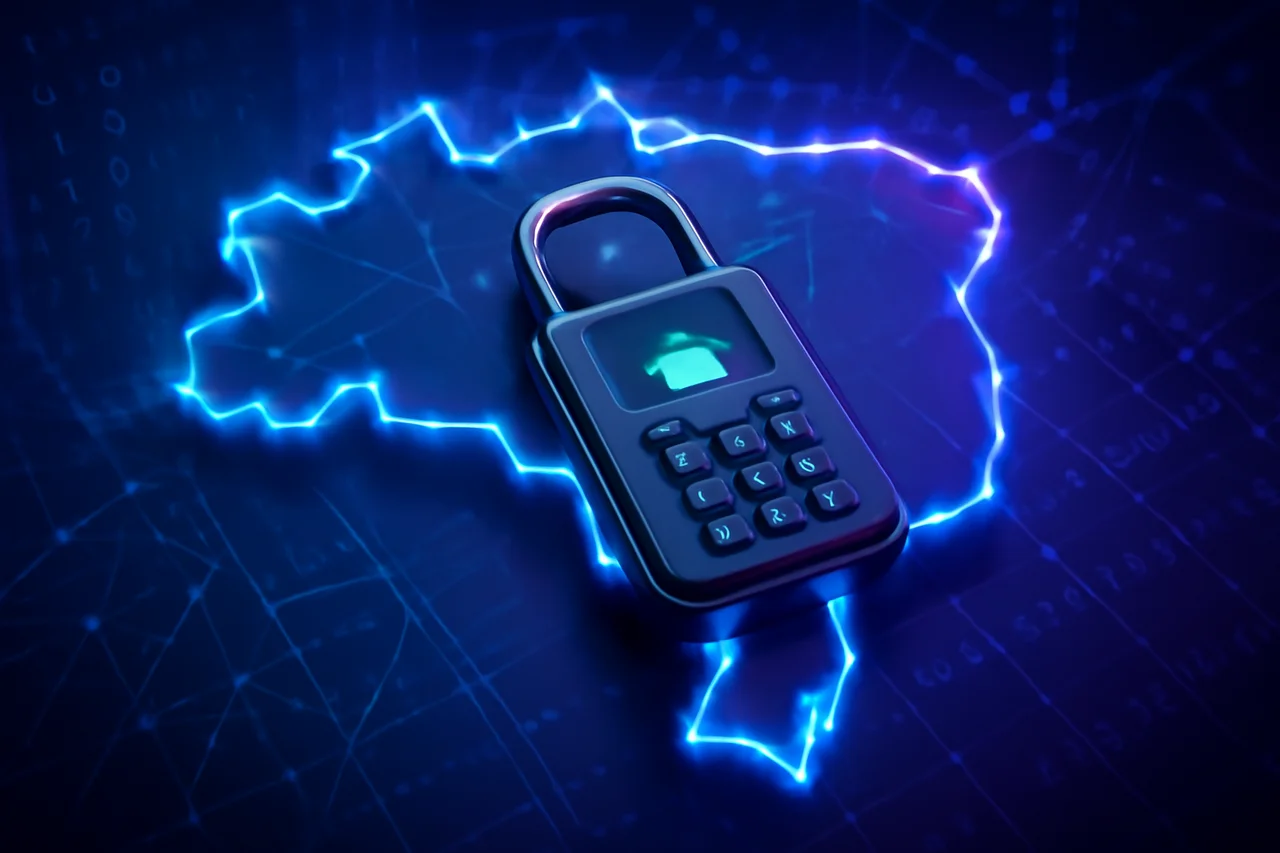
In a concerning development for Brazil's financial landscape, cybersecurity firm CrowdStrike has unveiled a new threat actor known as Slim Spider. This group has been actively targeting financial institutions in Brazil since at least March 2026, showcasing a sophisticated understanding of the country's financial infrastructure. The emergence of Slim Spider underscores the pressing cybersecurity challenges facing financial entities in Brazil, particularly in the realm of instant payment systems.
Understanding Slim Spider's Tactics
Slim Spider has been identified as a financially motivated threat actor, which means its primary goal is to exploit vulnerabilities for monetary gain. CrowdStrike's analysis reveals that this group possesses a deep operational knowledge of Brazil's financial systems, allowing them to navigate and manipulate the infrastructure effectively. This expertise raises concerns about the potential impact on the stability of Brazil's financial ecosystem.
The tactics employed by Slim Spider are emblematic of a new wave of cybercriminals who are not only technologically savvy but also possess a nuanced understanding of financial operations. This includes familiarity with the regulatory environment, payment processing systems, and the specific vulnerabilities that can be exploited within these frameworks. Such knowledge enables them to launch targeted attacks that can bypass traditional security measures, making it imperative for financial institutions to reassess their cybersecurity strategies.
The Importance of Cybersecurity in Financial Institutions
The financial sector is a prime target for cybercriminals due to the sensitive nature of the data and assets it handles. With the rise of instant payment systems, the attack surface has expanded, making financial institutions more vulnerable to cyber threats. The operations of Slim Spider highlight the urgent need for enhanced cybersecurity measures to protect against such sophisticated attacks.
Moreover, the consequences of a successful cyber attack on a financial institution can extend far beyond immediate financial loss. They can lead to reputational damage, loss of customer trust, and regulatory repercussions. As financial institutions increasingly adopt digital solutions to meet consumer demands, the integration of robust cybersecurity frameworks becomes non-negotiable. The interconnectivity of financial systems means that a breach in one institution can have cascading effects across the entire sector.
Recent Trends in Cyber Attacks
Cyber attacks on financial institutions have become increasingly common, with threat actors employing various tactics to infiltrate systems. The case of Slim Spider is particularly alarming as it demonstrates a calculated approach to exploiting specific weaknesses within Brazil's financial infrastructure. Recent trends indicate that cybercriminals are leveraging advanced techniques such as social engineering, ransomware, and sophisticated phishing schemes to gain access to sensitive information.
Cybersecurity experts emphasize that understanding these trends is crucial for developing effective defense strategies. The evolution of cyber threats necessitates a proactive approach, where institutions not only react to incidents but also anticipate potential vulnerabilities and prepare accordingly. This includes investing in threat intelligence, which can provide insights into emerging threats and help organizations stay one step ahead of adversaries.
Response from CrowdStrike
CrowdStrike has been at the forefront of identifying and tracking cyber threats globally. Their insights into Slim Spider's activities serve as a warning to financial institutions about the evolving nature of cyber threats. The company advocates for robust security protocols and continuous monitoring to mitigate risks associated with such adversaries.
In addition to identifying threats, CrowdStrike emphasizes the importance of collaboration among financial institutions, government agencies, and cybersecurity firms. Sharing intelligence about threats and vulnerabilities can enhance the overall security posture of the financial sector. By working together, stakeholders can develop a more resilient financial ecosystem capable of withstanding sophisticated cyber attacks.
Recommendations for Financial Institutions
In light of the Slim Spider threat, financial institutions in Brazil should consider implementing the following measures:
- Enhanced Security Protocols: Adopt multi-factor authentication and encryption to safeguard sensitive data.
- Regular Security Audits: Conduct frequent assessments of systems to identify and rectify vulnerabilities.
- Employee Training: Educate staff on recognizing phishing attempts and other social engineering tactics.
- Incident Response Plans: Develop and regularly update incident response strategies to address potential breaches swiftly.
- Investment in Threat Intelligence: Leverage threat intelligence services to stay informed about emerging threats and vulnerabilities.
- Collaboration and Information Sharing: Engage in partnerships with other financial institutions and cybersecurity firms to enhance collective security efforts.
The Future of Cybersecurity in Brazil
The emergence of Slim Spider is a stark reminder of the ongoing cybersecurity challenges that Brazilian financial institutions face. As cyber threats continue to evolve, it is imperative for organizations to stay ahead of the curve by investing in advanced security technologies and fostering a culture of cybersecurity awareness. The financial sector's resilience will depend on its ability to adapt and respond effectively to these threats.
In conclusion, the proactive measures adopted by financial institutions today will play a crucial role in shaping the future landscape of cybersecurity in Brazil. As Slim Spider and similar threat actors continue to refine their tactics, the financial sector must prioritize cybersecurity as a fundamental component of its operational strategy. Only through vigilance, collaboration, and innovation can Brazil's financial institutions hope to safeguard their assets and maintain the trust of their customers in an increasingly digital world.
Key Highlights
- CrowdStrike has identified a new cyber threat actor named Slim Spider.
- Slim Spider has been targeting Brazilian financial institutions since March 2026.
- The group demonstrates extensive knowledge of Brazil's financial infrastructure.
- Cybersecurity in financial institutions is critical due to the rise of instant payment systems.
- Understanding emerging cyber threats is essential for effective defense strategies.
- CrowdStrike emphasizes the need for robust security protocols in financial sectors.
- Financial institutions should conduct regular security audits and employee training.
Expert Analysis
Technical Analysis
The Slim Spider threat actor represents a significant evolution in cyber threats targeting Brazil's financial sector. This group leverages advanced cybersecurity techniques and possesses a deep understanding of the Brazilian financial infrastructure, including payment processing systems and regulatory environments. By exploiting specific vulnerabilities, Slim Spider can execute targeted attacks that bypass traditional security measures, highlighting the need for financial institutions to reassess and enhance their cybersecurity strategies.
The technology involved includes various cybersecurity measures, such as multi-factor authentication, encryption, and threat intelligence services. These technologies work to protect sensitive data and mitigate risks associated with cyber attacks. However, the limitations of current cybersecurity frameworks are evident, as the interconnectivity of financial systems can lead to cascading effects from a single breach. This suggests that while technical improvements are necessary, they must be complemented by a proactive approach to cybersecurity that includes continuous monitoring and employee training.
Advantages
- Enhanced security protocols can protect sensitive data from breaches.
- Regular security audits help identify and rectify vulnerabilities.
- Employee training on phishing and social engineering can reduce the risk of successful attacks.
- Investment in threat intelligence allows institutions to stay informed about emerging threats.
Disadvantages
- No major disadvantages reported yet.
Real-World Use Cases
- Financial institutions can implement multi-factor authentication to secure customer accounts.
- Banks can conduct regular security audits to identify weaknesses in their systems.
- Employees can be trained to recognize phishing attempts, reducing the likelihood of successful attacks.
- Organizations can collaborate with cybersecurity firms to share intelligence on threats.
Business Impact
The emergence of Slim Spider poses a significant threat to Brazil's financial sector, potentially impacting market stability and consumer trust. As financial institutions face increasing pressure to enhance their cybersecurity measures, there may be a surge in demand for advanced security solutions and services. This situation could create revenue opportunities for cybersecurity firms like CrowdStrike, which are positioned to provide the necessary tools and expertise to combat these sophisticated threats. Additionally, the need for collaboration among financial institutions may lead to new partnerships and initiatives aimed at strengthening the overall security posture of the sector.
User Impact
Ordinary users stand to benefit from enhanced cybersecurity measures implemented by financial institutions, as these improvements can lead to greater protection of their sensitive data and assets. However, users may not be fully aware of the risks posed by cyber threats like Slim Spider, which suggests a need for increased public awareness and education on cybersecurity. Overall, the proactive measures taken by financial institutions are crucial for maintaining customer trust and ensuring a secure digital banking environment.
Security & Privacy
Security and privacy analysis not applicable.
Future Outlook
In the near term, financial institutions in Brazil are likely to prioritize investments in advanced cybersecurity technologies and frameworks to combat the evolving threats posed by actors like Slim Spider. This may include adopting more sophisticated threat detection and response systems, as well as fostering a culture of cybersecurity awareness among employees. As cybercriminals continue to refine their tactics, the financial sector must remain vigilant and adaptable to safeguard its infrastructure and customer trust.
Expert Summary
The emergence of the Slim Spider threat actor underscores the critical need for enhanced cybersecurity measures within Brazil's financial sector. Financial institutions, cybersecurity firms, and regulatory bodies should pay close attention to this evolving threat landscape. By prioritizing collaboration, innovation, and proactive security strategies, stakeholders can work together to build a more resilient financial ecosystem capable of withstanding sophisticated cyber attacks.
Originally reported by The Hacker News.



