
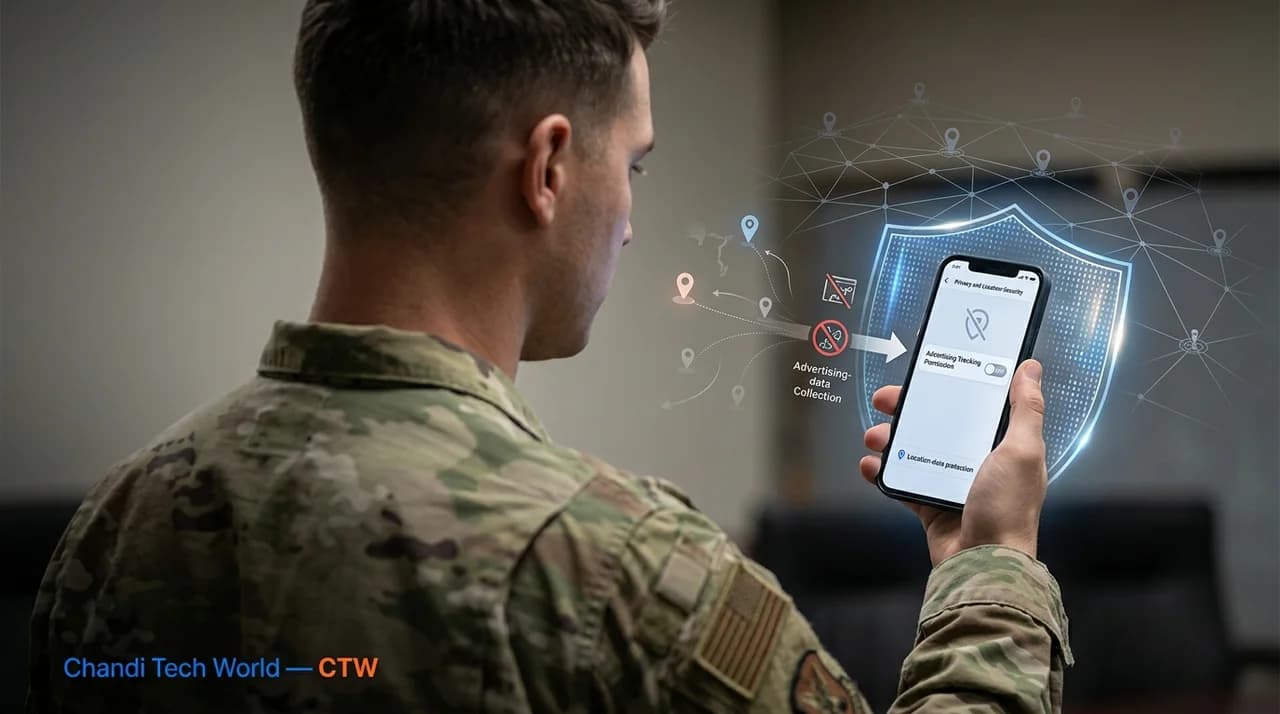
In a significant move aimed at enhancing the security of its personnel, the U.S. military has disabled ad tracking on devices used by troops. This decision comes in response to alarming reports indicating that foreign adversaries have been exploiting location data to target military members. The action underscores the ongoing challenges faced by the military in safeguarding its personnel from potential threats in an increasingly digital world.
Concerns Over Location Data
Recent intelligence has revealed that foreign adversaries are actively using location data to identify and target U.S. military personnel. This alarming trend has raised serious concerns about the safety and security of troops, prompting immediate action from military leaders. The integration of technology in everyday life has made it easier for adversaries to gather sensitive information, thereby increasing the risk to service members. With the proliferation of smartphones and mobile applications, location data has become a readily available resource that can be exploited by those with malicious intent.
Senator's Letter Highlights the Issue
A senator's letter has confirmed the military's decision to disable ad tracking, emphasizing the importance of protecting service members from potential threats linked to their location information. The letter serves as a reminder of the vulnerabilities that arise from the use of commercial technologies, which can inadvertently compromise the safety of military personnel. This proactive measure aims to mitigate risks associated with unauthorized tracking. The senator's communication not only highlights the immediate concerns but also reflects a growing awareness among lawmakers about the implications of technology on national security.
Implications for Military Operations
The disabling of ad tracking on troops' devices is a crucial step in safeguarding operational security. As military personnel increasingly rely on mobile devices for communication and coordination, protecting their data from potential exploitation becomes paramount. This decision reflects a broader awareness of the intersection between technology and national security, highlighting the need for continuous vigilance in the face of evolving threats. The military's operational effectiveness can be severely compromised if adversaries gain access to sensitive information, making it essential to implement robust security measures.
Challenges in the Digital Age
As technology continues to advance, the military must navigate a complex landscape where digital tools are both a necessity and a potential liability. The use of location data and ad tracking poses unique challenges, particularly in the context of military operations. Ensuring that personnel remain safe while utilizing modern technology requires a delicate balance between operational effectiveness and security measures. The rapid pace of technological innovation means that the military must stay ahead of potential threats, adapting its strategies to counteract new vulnerabilities as they arise.
Future Considerations
Moving forward, the U.S. military will likely continue to assess and adapt its policies regarding technology use among troops. The disabling of ad tracking is just one aspect of a broader strategy to enhance security and protect service members from emerging threats. As foreign adversaries become more sophisticated in their tactics, the military must remain proactive in addressing vulnerabilities associated with technology. This may involve investing in new technologies that offer enhanced security features or developing training programs that educate service members on the risks of using commercial applications.
Conclusion
The decision to disable ad tracking on devices used by U.S. military personnel marks a critical step in ensuring their safety. By recognizing the risks posed by location data and taking decisive action, the military is demonstrating a commitment to protecting its service members in an increasingly interconnected world. As technology evolves, so too must the strategies employed to safeguard those who serve. The military's proactive approach in this instance serves as a model for other organizations that may face similar challenges in the digital age, emphasizing the importance of security in the face of technological advancements.
Key Highlights
- The U.S. military has disabled ad tracking on troops' devices for security.
- Foreign adversaries have been using location data to target military personnel.
- A senator's letter confirmed the military's decision to enhance troop safety.
- Disabling ad tracking highlights the vulnerabilities of technology in military operations.
- The military is adapting its policies to address emerging threats from digital tools.
- The action reflects a commitment to protecting service members in a digital age.
- Future strategies will focus on balancing technology use and operational security.
Expert Analysis
Technical Analysis
The U.S. military's decision to disable ad tracking on devices used by troops involves the technology of location data and ad tracking mechanisms that are prevalent in mobile applications. Ad tracking typically involves collecting data on a user's location and behavior to serve targeted advertisements. However, this same data can be exploited by foreign adversaries to identify and potentially target military personnel, raising significant security concerns. By disabling this feature, the military aims to protect its personnel from unauthorized tracking and the associated risks of being targeted based on their location information.
This action highlights the military's recognition of the vulnerabilities presented by commercial technologies in the context of national security. The integration of smartphones and mobile applications into military operations has made it easier for adversaries to gather sensitive information. The disabling of ad tracking is a technical improvement aimed at mitigating these risks, but it also reflects the limitations of relying on commercial technologies that may inadvertently compromise operational security. The military must continuously adapt to the evolving landscape of digital threats while balancing the need for operational effectiveness with the imperative of safeguarding personnel.
Advantages
- Enhances the security of military personnel by preventing unauthorized tracking.
- Reduces the risk of foreign adversaries exploiting location data.
- Demonstrates a proactive approach to national security concerns.
- Encourages awareness among lawmakers about the implications of technology on military operations.
Disadvantages
- No major disadvantages reported yet.
Real-World Use Cases
- Military personnel can use mobile devices for communication without the fear of being tracked by adversaries.
- The military can implement training programs to educate service members about the risks of using commercial applications.
- Operational security can be maintained more effectively during missions that require the use of mobile technology.
Business Impact
The U.S. military's action to disable ad tracking may influence other organizations, particularly those in sensitive sectors, to reevaluate their use of commercial technologies. This move could lead to increased demand for security solutions that protect against unauthorized data collection. Competitors in the cybersecurity space may see opportunities to develop tailored solutions for military and defense applications, potentially leading to new revenue streams in a growing market focused on data protection and privacy.
Additionally, the military's proactive stance may prompt other government agencies to adopt similar measures, thereby shaping industry standards for data security and privacy in the public sector. This could lead to a ripple effect across various industries that rely on location data and mobile technology, encouraging a broader shift towards enhanced security protocols.
User Impact
Ordinary users may not directly benefit from the military's decision to disable ad tracking, but it underscores the importance of privacy and security in the digital age. As awareness of data vulnerabilities grows, users in civilian sectors may become more cautious about the apps they use and the data they share. This could lead to a greater demand for privacy-focused applications and services that prioritize user security.
While the military's actions are primarily focused on protecting service members, the implications of this decision may resonate with everyday users who are increasingly concerned about their own data privacy. It highlights the need for individuals to be vigilant about their digital footprints and the potential risks associated with location tracking.
Security & Privacy
Security and privacy analysis not applicable.
Future Outlook
In the near term, the U.S. military is likely to continue assessing its technology policies to address emerging threats related to data privacy and security. As foreign adversaries become more sophisticated in their tactics, the military may invest in advanced security technologies that offer enhanced protection against unauthorized tracking. Additionally, there may be a push for developing comprehensive training programs to educate service members on the risks associated with commercial applications.
Looking ahead, the military's proactive measures could set a precedent for other organizations facing similar challenges in the digital landscape. This may lead to a broader industry shift towards prioritizing security in technology use, influencing how both public and private sectors approach data protection strategies.
Expert Summary
The U.S. military's decision to disable ad tracking on troops' devices is a significant step towards enhancing the safety of its personnel in an increasingly digital world. This move should be closely monitored by other organizations, particularly those in sensitive sectors, as it highlights the critical intersection of technology and national security. Overall, this proactive approach serves as a model for how to address vulnerabilities associated with modern technology, emphasizing the importance of safeguarding individuals in the face of evolving threats.
Originally reported by TechCrunch.



