
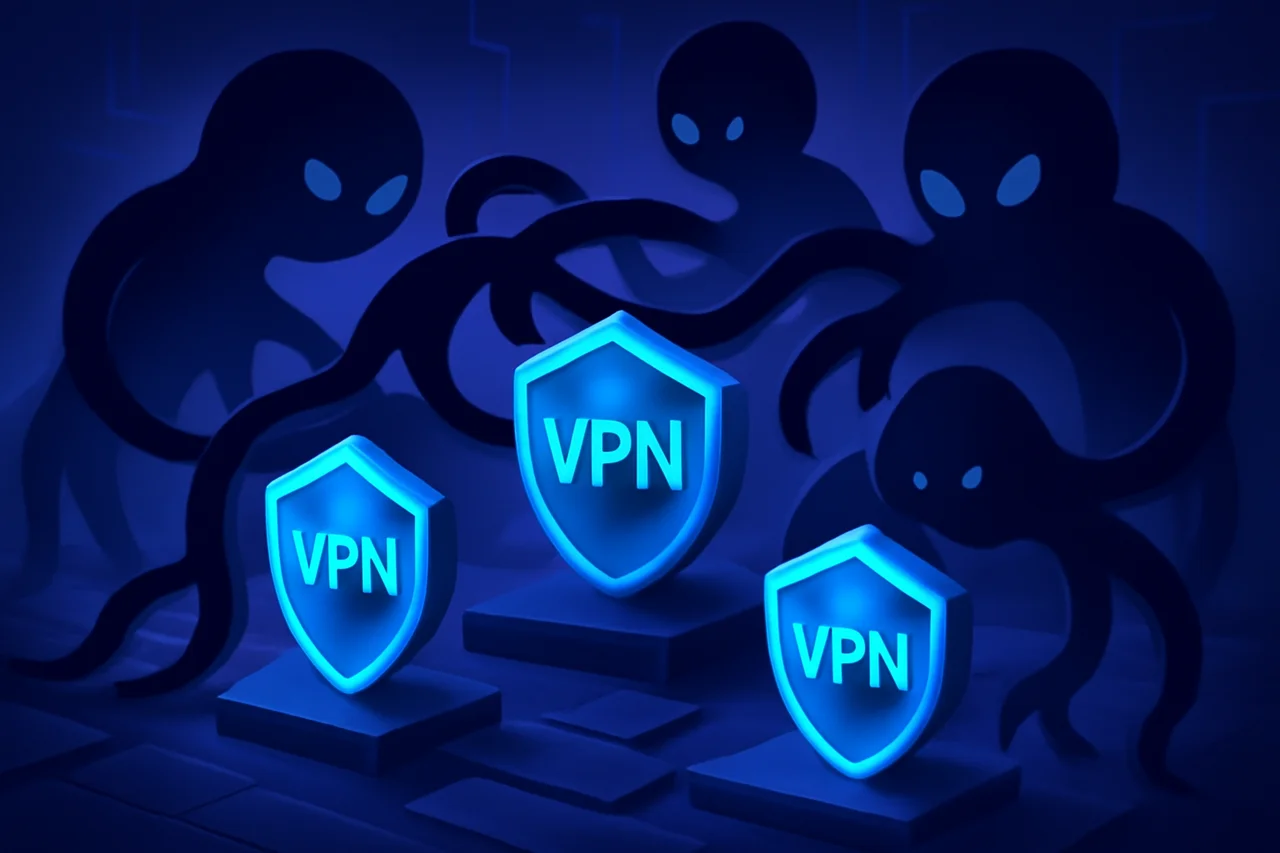
In a startling revelation, a recent report has uncovered that numerous VPN applications, which are marketed as tools for enhancing user privacy, are instead collecting sensitive data from their users. Specifically, 64 VPN apps available on Apple’s App Store and Google Play have been found to contain trackers that undermine the very purpose these applications were designed to serve.
Understanding the Role of VPNs
Virtual Private Networks, or VPNs, are intended to provide users with a secure and private internet browsing experience. They accomplish this by encrypting internet traffic and masking users' IP addresses, making it more difficult for third parties to monitor online activities. VPNs have become increasingly popular in recent years, especially as concerns over data privacy and surveillance have grown. Users often turn to these services to protect their personal information from hackers, advertisers, and even government entities. However, the primary selling point of these services is their commitment to protecting user privacy, a promise that is now in question due to the recent findings.
Trackers in VPN Applications
The report highlights a troubling trend among some VPN applications. Many of these apps, instead of shielding users from data collection, are equipped with trackers that harvest personal information. This includes data that could be used for targeted advertising or other intrusive purposes. These trackers can collect a variety of information, such as browsing habits, location data, and even device identifiers. The presence of such trackers in VPN apps is particularly alarming, as it fundamentally contradicts the core function of VPNs: to protect user privacy. The irony is that users are often led to believe that they are shielded from prying eyes, only to find out that their data is being harvested by the very applications they trust to keep them safe.
Implications for Users
The implications of this discovery are significant for users who rely on VPNs for privacy protection. With the knowledge that some VPN apps are gathering data rather than safeguarding it, consumers may need to reassess their choices. This revelation raises questions about the reliability of VPN services and whether they can be trusted to maintain user confidentiality. Users may feel betrayed, especially if they have invested in premium services under the assumption that their privacy was being prioritized. The potential for misuse of collected data also poses risks, as it could lead to unwanted advertisements, identity theft, or even more severe privacy violations.
Choosing the Right VPN
Given the potential for data collection among VPN applications, users are advised to be vigilant when selecting a VPN service. Here are some tips for choosing a trustworthy VPN:
- Research the VPN provider's privacy policy thoroughly. Ensure it is clear and comprehensive, outlining how user data is handled.
- Look for independent reviews and audits of the service. Third-party assessments can provide insights into the reliability and integrity of the VPN.
- Ensure the VPN has a no-logs policy, meaning it does not store user data. This is crucial for maintaining privacy.
- Check if the app is transparent about its use of trackers and data collection practices. Transparency is a key indicator of a trustworthy service.
Industry Response
As the cybersecurity landscape evolves, it is crucial for VPN providers to address these concerns proactively. Transparency and accountability will be key factors in restoring user trust. Companies that prioritize user privacy and provide clear information about their data practices will likely gain a competitive edge in the market. In response to the findings, some VPN providers may need to reevaluate their business models and practices to ensure they align with user expectations. This could involve eliminating trackers, enhancing encryption methods, or providing more robust privacy features. The industry must adapt to maintain credibility and reassure users that their privacy is indeed a priority.
Conclusion
The discovery that 64 VPN apps are collecting user data rather than protecting it serves as a wake-up call for consumers. As online privacy becomes increasingly important, users must remain informed and cautious when selecting VPN services. The very essence of what a VPN should provide—privacy and security—must be upheld by the applications that claim to offer these benefits. As consumers become more aware of these issues, they will likely demand greater accountability from VPN providers, pushing the industry towards more ethical practices and enhanced user protections.
Key Highlights
- 64 VPN apps on major platforms are collecting user data instead of protecting it.
- These findings contradict the fundamental purpose of VPNs to ensure user privacy.
- Users are urged to reassess their VPN choices in light of this information.
- Trackers in VPN apps may harvest sensitive data for advertising purposes.
- Consumers should research VPN providers' privacy policies before choosing a service.
- A no-logs policy is essential for ensuring that user data remains private.
- Transparency from VPN providers will be crucial in rebuilding user trust.
Expert Analysis
Technical Analysis
Virtual Private Networks (VPNs) are designed to provide users with a secure and private internet browsing experience by encrypting internet traffic and masking IP addresses. This technology aims to protect users from data collection by third parties, including hackers, advertisers, and government entities. However, the recent findings regarding 64 VPN applications reveal a troubling trend where these apps are equipped with trackers that collect sensitive user data, undermining their core purpose. This contradiction raises significant concerns about the reliability and integrity of VPN services in safeguarding user privacy.
The presence of trackers in VPN applications poses a serious problem, as it not only violates user trust but also exposes individuals to potential privacy violations, such as targeted advertising and identity theft. The technology behind these trackers allows for the collection of various types of data, including browsing habits and location information. This situation highlights the need for users to be vigilant when selecting VPN services, as the very tools intended to protect their privacy may be doing the opposite. The implications of these findings suggest that the industry must prioritize transparency and accountability to restore user trust.
Advantages
- VPNs provide encryption of internet traffic, enhancing user security.
- They help mask users' IP addresses, making online activities harder to monitor.
- VPNs can protect users from data collection by third parties when functioning correctly.
- A trustworthy VPN can offer peace of mind to users concerned about privacy.
Disadvantages
- Some VPN apps have been found to contain trackers that collect sensitive user data.
- The presence of trackers contradicts the primary function of VPNs, which is to protect user privacy.
- Users may feel betrayed if they discover their data is being harvested by the VPN services they trust.
Real-World Use Cases
- Individuals can use VPNs to secure their internet connection when using public Wi-Fi.
- Businesses can implement VPNs to protect sensitive company data and ensure secure remote access for employees.
- Developers can utilize VPNs to test applications in different geographic locations while maintaining privacy.
- Educational institutions can employ VPNs to safeguard student data and provide secure access to online resources.
Business Impact
The revelation that many VPN applications are collecting user data could significantly impact the market for these services. Companies that prioritize transparency and user privacy may gain a competitive edge, while those found to be compromising user trust could face reputational damage and loss of customers. This shift in consumer awareness may lead to increased demand for VPN providers that adhere to ethical practices and robust privacy policies, creating new revenue opportunities for businesses that can effectively demonstrate their commitment to user confidentiality.
User Impact
Ordinary users who rely on VPNs for privacy protection are the most affected by these findings. They may feel a sense of betrayal upon learning that the applications they trusted to safeguard their data are instead harvesting it. This situation underscores the importance of user vigilance when selecting VPN services. As awareness of these issues grows, consumers are likely to demand greater accountability from VPN providers, which could lead to a more informed user base that prioritizes privacy in their online activities.
Security & Privacy
The discovery of trackers in VPN applications raises significant privacy risks for users. These trackers can collect sensitive information, potentially leading to unwanted advertisements, identity theft, or other privacy violations. The situation highlights the need for users to thoroughly research VPN providers and their data handling practices to ensure their privacy is genuinely protected.
Future Outlook
In the near term, the VPN industry may see a shift towards greater transparency and accountability as providers respond to consumer concerns about data privacy. Companies may need to reevaluate their business models, eliminate trackers, and enhance encryption methods to align with user expectations. As consumers become more informed about privacy issues, the demand for ethical practices in the VPN market is likely to grow, pushing the industry towards improved user protections and trustworthiness.
Expert Summary
The findings regarding the 64 VPN apps collecting user data are a critical wake-up call for consumers and the industry alike. Users should pay close attention to the privacy practices of VPN providers, as the integrity of their online security is at stake. This news matters not only for individual privacy but also for the future of the VPN market, which must adapt to maintain credibility and user trust.
Originally reported by News – CNET.



