Xiaomi has officially launched the global beta recruitment for its highly anticipated HyperOS 4 update, a significant upgrade that promises to enhance the user experience for select flagship devices. This update is particularly aimed at owners of the Xiaomi 17, Xiaomi 17 Ultra, and Leica Leitzphone, marking a crucial step in Xiaomi's ongoing commitment to improving its software ecosystem. The introduction of HyperOS 4 comes at a time when users are increasingly looking for more seamless and feature-rich experiences on their devices, making this update a timely response to market demands.
What's New in HyperOS 4?
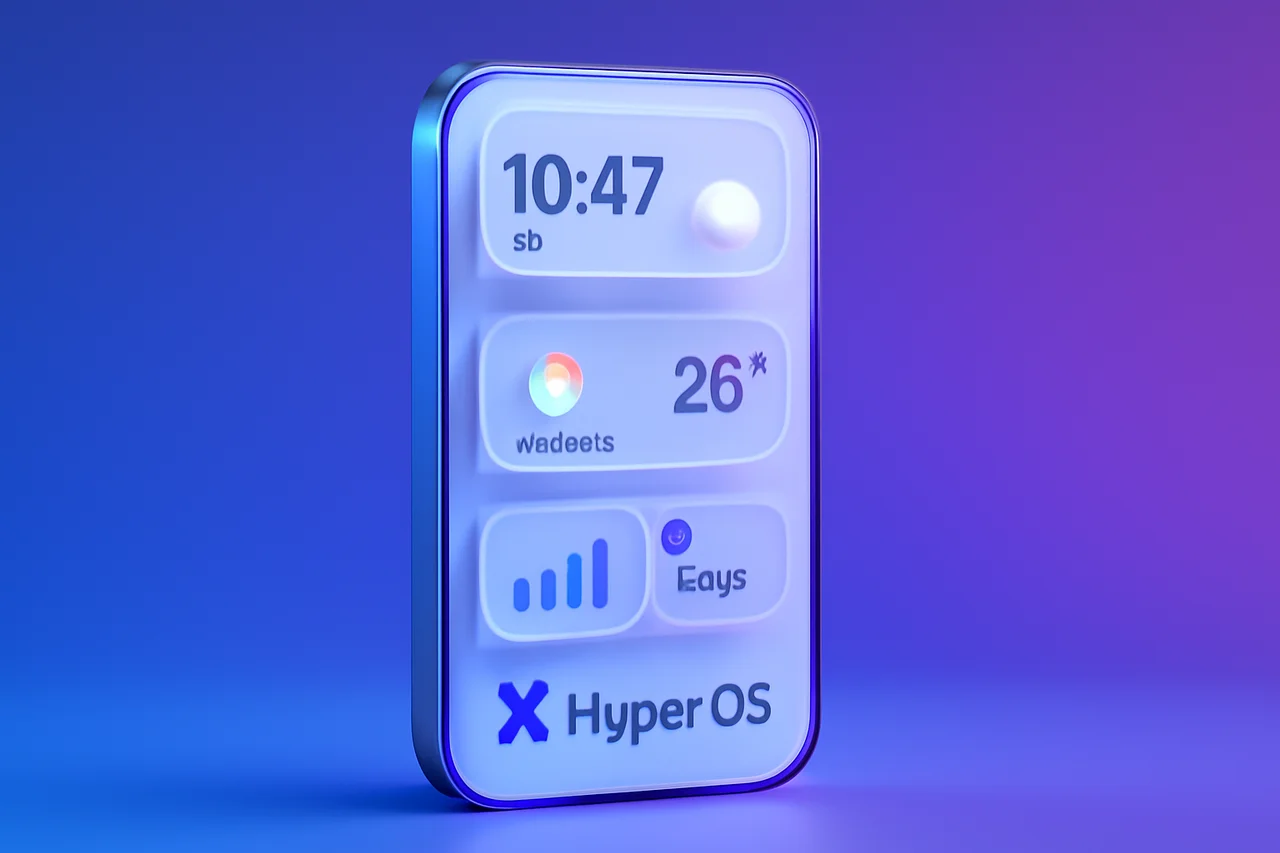
The HyperOS 4 update introduces several exciting features designed to modernize the interface and improve usability. One of the standout elements is the new translucent Soft Light Glass design, which is expected to give the user interface a fresh and contemporary look. This design choice not only enhances aesthetic appeal but also aligns with current design trends that favor minimalism and clarity. Additionally, the update includes stacked widgets that allow for more efficient use of screen space, grouped notifications for better organization, and a redesigned device hub that enhances accessibility to key functions.
These features are indicative of Xiaomi's focus on user-centric design, aiming to streamline interactions and make essential tools more accessible. The stacked widgets, for instance, can help users manage their apps and information more effectively, reducing clutter and improving overall navigation. Grouped notifications will provide a more organized view of alerts, allowing users to prioritize their responses without feeling overwhelmed.
Compatibility and Availability
Initially, the beta program is open to owners of the Xiaomi 17, Xiaomi 17 Ultra, and Leica Leitzphone. However, this is just the beginning. Starting September 17, the program will expand to include the Xiaomi 17T series and the Xiaomi 15 series, broadening the reach of HyperOS 4 to more users. This phased approach allows Xiaomi to gather feedback and make necessary adjustments before a full rollout.
This strategy not only helps in refining the software based on user experiences but also builds anticipation among a broader audience. By gradually increasing the number of devices eligible for the beta program, Xiaomi can ensure that it addresses any potential issues that may arise during the testing phase, ultimately leading to a more stable and polished final release.
Previous Updates and Context
In July, Xiaomi rolled out stable Android 17 to the Xiaomi 17 and Xiaomi 17 Ultra. However, these devices remained on the previous HyperOS 3 interface. This decision to separate the Android update from the HyperOS upgrade allows Xiaomi to lay a solid foundation for the more extensive changes that HyperOS 4 brings. By doing so, Xiaomi aims to provide a smoother transition and a more polished user experience.
The separation of these updates also reflects Xiaomi's strategic planning in software development. By ensuring that the core operating system (Android 17) is stable before introducing a new user interface (HyperOS 4), Xiaomi minimizes the risk of complications that could arise from simultaneous updates. This careful approach is essential in maintaining user trust and satisfaction, as users often expect a seamless experience when new features are introduced.
How to Join the Beta Program
For those interested in participating in the HyperOS 4 beta program, applications can be submitted through the Xiaomi Community platform. Users can navigate to the Beta testing section under their profile to find the recruitment option. This community-driven approach not only engages users but also allows Xiaomi to tap into valuable feedback from early adopters.
Participation in the beta program is an opportunity for users to be at the forefront of technological advancements and contribute to the development process. By providing feedback on their experiences, users can help Xiaomi refine HyperOS 4, making it more tailored to the needs and preferences of its user base.
Global Reach and Software Support
The HyperOS 4 update supports both Global and European Economic Area (EEA) software builds, ensuring that a wide range of users can participate in the beta testing. Xiaomi's commitment to providing software updates that cater to different regions reflects its strategy to enhance user satisfaction across diverse markets. This global approach not only broadens the reach of HyperOS 4 but also demonstrates Xiaomi's understanding of the varied needs of its international customer base.
By accommodating different software builds, Xiaomi can ensure that users in various regions receive updates that are optimized for their specific environments, which can include language support, regional features, and compliance with local regulations. This attention to detail is crucial for maintaining a competitive edge in the global smartphone market.
Conclusion: A Step Forward for Xiaomi
The launch of the HyperOS 4 beta program marks a significant advancement in Xiaomi's software development efforts. With its innovative features and expanded device compatibility, this update is poised to elevate the user experience for many of Xiaomi's flagship phones. As the beta program unfolds, it will be interesting to see how user feedback shapes the final version of HyperOS 4 and what further enhancements Xiaomi may introduce in the future.
In conclusion, HyperOS 4 represents not just an update, but a commitment to continuous improvement and user engagement. As Xiaomi navigates the complexities of software development, its proactive approach in involving users through beta testing will likely foster a stronger community and enhance brand loyalty. The future of Xiaomi's software ecosystem looks promising, and HyperOS 4 is a pivotal step in that journey.
Key Highlights
- Xiaomi has opened global beta recruitment for HyperOS 4, enhancing flagship devices.
- New features include a translucent Soft Light Glass design and stacked widgets.
- Initial eligibility is for the Xiaomi 17, 17 Ultra, and Leica Leitzphone.
- The beta program expands to the Xiaomi 17T and 15 series on September 17.
- Stable Android 17 was rolled out in July while devices remained on HyperOS 3.
- Applications for the beta can be submitted via the Xiaomi Community platform.
- The update supports both Global and EEA software builds.
Expert Analysis
Technical Analysis
HyperOS 4 is an advanced software update developed by Xiaomi, designed to enhance the user experience on select flagship devices such as the Xiaomi 17, Xiaomi 17 Ultra, and Leica Leitzphone. The update introduces a new translucent Soft Light Glass design, which modernizes the interface and aligns with contemporary design trends emphasizing minimalism and clarity. Additionally, features like stacked widgets and grouped notifications aim to improve usability by organizing information more effectively and reducing screen clutter. This update is built on top of Android 17, which was rolled out separately to ensure stability before introducing the new user interface, reflecting Xiaomi's strategic approach to software development.
The technical improvements in HyperOS 4 focus on user-centric design, aiming to streamline interactions and enhance accessibility to key functions. While the update promises a more polished experience, it also has limitations, including its initial availability only to specific device owners and the phased rollout strategy, which may delay access for some users. Overall, HyperOS 4 seeks to solve the problem of cluttered interfaces and inefficient navigation, making it easier for users to manage their applications and notifications effectively.
Advantages
- Enhanced user interface with a modern design that appeals to current aesthetic trends.
- Improved usability through features like stacked widgets and grouped notifications.
- Phased rollout allows for user feedback to refine the software before full release.
- Global support ensures a wide range of users can participate in beta testing.
Disadvantages
- Initial availability limited to specific flagship devices may exclude many users.
- Phased rollout could delay access for users not in the first wave of beta testing.
Real-World Use Cases
- Users can manage their applications more effectively with stacked widgets, reducing clutter on their home screens.
- Grouped notifications allow users to prioritize alerts, improving response times to important messages.
- Early adopters can provide feedback during the beta testing phase, influencing the final version of HyperOS 4.
Business Impact
The launch of HyperOS 4 positions Xiaomi to strengthen its software ecosystem and enhance user satisfaction, potentially increasing brand loyalty among existing customers. By engaging users in the beta testing process, Xiaomi can gather valuable insights that may lead to improved features and performance, setting it apart from competitors in the smartphone market. This proactive approach could also open up new revenue opportunities as satisfied users may be more inclined to recommend Xiaomi devices to others.
As HyperOS 4 rolls out, it may impact competitors by raising the bar for user experience in smartphone software, prompting them to enhance their own offerings. The focus on user feedback and iterative improvement could become a standard practice in the industry, influencing how software updates are developed and released.
User Impact
Ordinary users who own compatible devices will benefit from the enhanced features and improved usability of HyperOS 4, making their interactions with their smartphones more efficient and enjoyable. The modern design and organization of information can lead to a more satisfying user experience, encouraging users to engage more with their devices. However, users with devices not included in the initial beta program may feel left out, which could impact their perception of Xiaomi's commitment to all customers.
Overall, for those eligible, adopting HyperOS 4 could be worthwhile as it promises to deliver a more streamlined and user-friendly experience, aligning with current technological trends.
Security & Privacy
Security and privacy analysis not applicable.
Future Outlook
In the near term, Xiaomi is likely to continue refining HyperOS 4 based on user feedback gathered during the beta testing phase. This iterative approach may lead to rapid improvements and adjustments, ensuring that the final version meets user expectations. As the beta program expands to include more devices, Xiaomi's commitment to enhancing its software ecosystem will likely solidify its position in the competitive smartphone market.
Looking ahead, Xiaomi may explore further innovations in user interface design and functionality, potentially integrating more advanced features that leverage AI and machine learning to personalize user experiences. This could set the stage for future updates that not only enhance usability but also differentiate Xiaomi's offerings from those of its competitors.
Expert Summary
The launch of the HyperOS 4 beta program is a significant milestone for Xiaomi, showcasing its dedication to improving user experience through innovative software updates. Stakeholders in the smartphone industry, particularly competitors and users of Xiaomi devices, should pay attention to how this update evolves based on user feedback. Overall, HyperOS 4 represents a strategic move by Xiaomi to enhance its software ecosystem and engage with its user base, which could lead to increased satisfaction and loyalty.
Originally reported by Android Authority.